
Wings of Transformation: Exploring the Enchanting World of Butterflies
From Metamorphosis to Migration: Unveiling the Secrets of Nature's Delicate Wonders

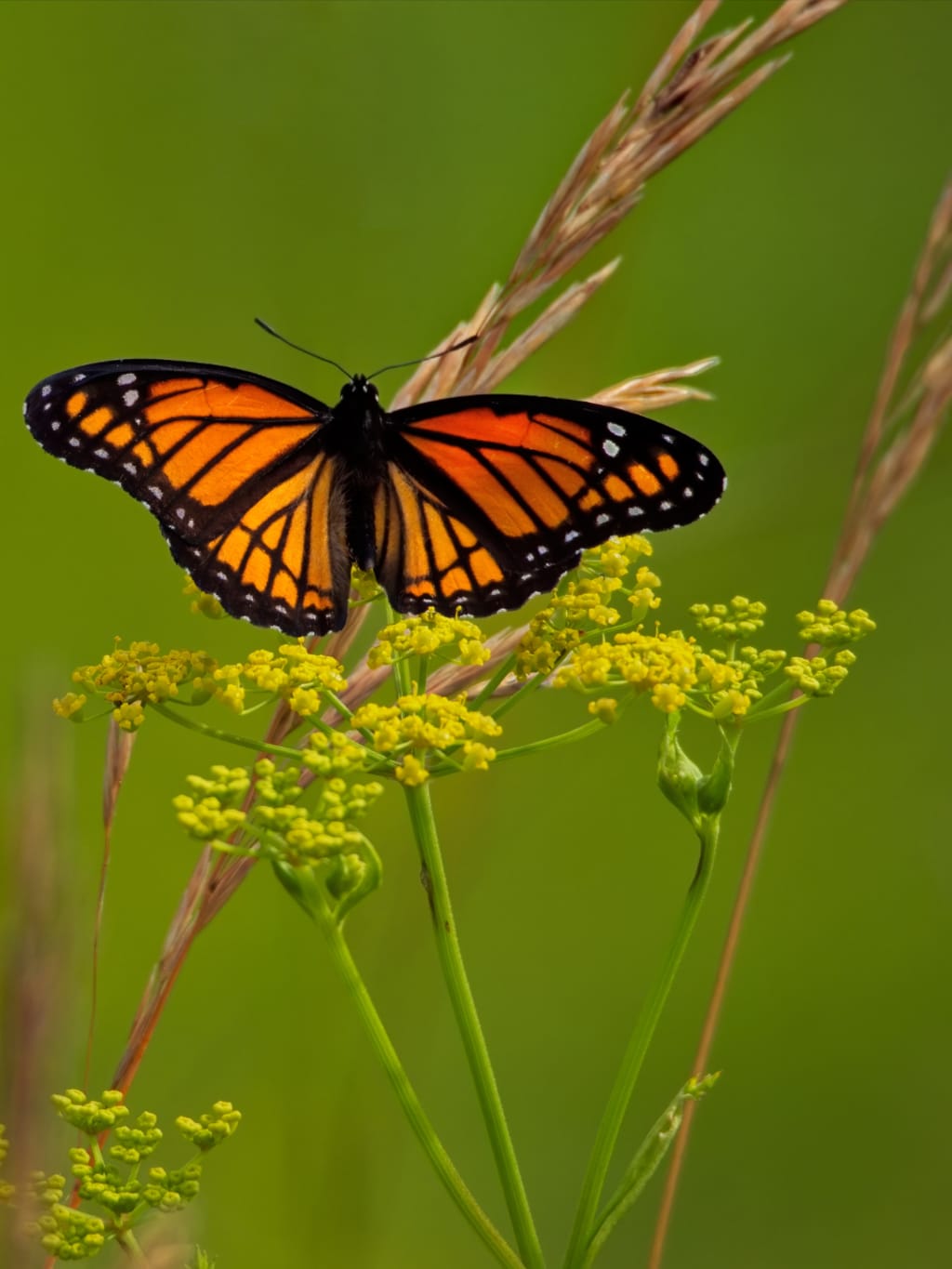
Butterflies, with their enchanting colors and delicate wings, have captivated the human imagination for centuries. These winged wonders are not just a feast for the eyes; they also play crucial roles in our ecosystems. In this blog, we will dive deep into the fascinating world of butterflies, exploring their life cycle, remarkable adaptations, and their significance in the natural world.
The Life Cycle of Butterflies
The life of a butterfly is a remarkable journey of transformation, known as metamorphosis. It consists of four distinct stages: egg, larva (caterpillar), pupa (chrysalis), and adult. Let's explore each of these stages.
Egg: The journey begins when a female butterfly lays tiny, often colorful, eggs on the leaves of specific host plants. These eggs are carefully chosen to provide the young caterpillar with the necessary food source upon hatching.
Larva (Caterpillar): When the egg hatches, it gives birth to a caterpillar, a voracious eater. Caterpillars are designed for eating and growing, often consuming large quantities of leaves to fuel their rapid development. As they grow, they shed their skin several times to accommodate their expanding bodies.
Pupa (Chrysalis): After a period of feeding and growth, the caterpillar forms a chrysalis or pupa, which is a protective shell. Inside this casing, the caterpillar undergoes a miraculous transformation. Its body breaks down into a liquid form and then reorganizes into the adult butterfly's structure.
Adult: Once the transformation is complete, a fully formed adult butterfly emerges from the chrysalis. The butterfly's wings are often wrinkled and damp at this stage, but they expand and harden as they dry. The adult then takes its first flight, embarking on its short yet remarkable life as a butterfly.
Remarkable Adaptations
Butterflies have evolved a range of adaptations that make them highly efficient and resilient creatures in their environments. Here are some remarkable adaptations:
Colorful Wings: Butterflies' vibrant wing colors serve several purposes. They can deter predators with warning colors, attract potential mates with dazzling displays, and help regulate their body temperature by absorbing or reflecting sunlight.
Proboscis: Adult butterflies have a specialized tube-like structure called a proboscis, which they use to extract nectar from flowers. This adaptation allows them to access a vital source of energy.
Mimicry: Many butterfly species have evolved to mimic the appearance of other insects or even leaves to avoid predators. This protective adaptation is known as mimicry.
Long-Distance Migration: Some butterfly species undertake incredible long-distance migrations. The monarch butterfly, for example, travels thousands of miles from North America to Mexico during its annual migration.
Significance in the Ecosystem
Butterflies play a crucial role in maintaining the balance of ecosystems and offer several ecological benefits:
Pollinators: Butterflies are important pollinators for various flowering plants. As they feed on nectar, they transfer pollen from one flower to another, facilitating the reproduction of many plant species.
Indicator Species: Butterflies are considered indicator species, meaning their presence or absence can indicate the health of an ecosystem. Declines in butterfly populations can be a warning sign of environmental changes and habitat degradation.
Food Source: Butterflies are a vital food source for various birds, mammals, and insects. They are part of the intricate web of life in ecosystems, contributing to the biodiversity of our planet.
Conservation Efforts
Unfortunately, butterflies, like many other species, face threats to their survival. Habitat loss, climate change, pesticide use, and pollution are among the challenges they encounter. Conservation efforts are crucial to safeguard these mesmerizing creatures. Here are some initiatives to protect butterflies:
Habitat Restoration: Restoring and preserving natural habitats, such as meadows and wildflower fields, can provide essential resources for butterflies.
Native Plant Gardening: Planting native flowers and host plants in gardens can create butterfly-friendly environments, attracting these insects and supporting their life cycles.
Education and Awareness: Raising awareness about the importance of butterflies and their conservation is vital. Public engagement can lead to increased support for protective measures.
Butterflies are not only aesthetically pleasing but also vital contributors to the natural world. Their remarkable life cycle, stunning adaptations, and ecological significance make them a subject of wonder and admiration. By understanding and appreciating these fascinating insects, we can contribute to their preservation and the conservation of the ecosystems they inhabit. So, next time you spot a butterfly fluttering by, take a moment to appreciate the intricate beauty of these creatures and the important roles they play in our world.
About the Creator
Mohammad Mamunur Rashid
Penning captivating narratives and informative insights, I craft stories that captivate your mind and inspire your soul. Let's explore the world of words together.
Keep reading
More stories from Mohammad Mamunur Rashid and writers in Journal and other communities.
The Poetry of Rain: Nature's Gift to the Soul
Rain, a meteorological phenomenon that graces us with its presence in various forms, possesses a profound ability to evoke a multitude of emotions and inspire countless forms of art, literature, and contemplation. In its gentle drizzles and torrential downpours, rain touches our lives in ways that go far beyond the meteorological; it speaks to our souls, whispers stories to our hearts, and offers a unique perspective on life itself.
By Mohammad Mamunur Rashid2 years ago in Art
Hindustan Power Accelerates India’s Clean-Energy Push with New 150 MW Solar and Storage Project Under Ratul Puri’s Leadership
New Delhi — In a significant move that underlines India’s accelerating transition to cleaner power, Hindustan Power has secured a major renewable energy contract to develop a 150 MW solar project integrated with advanced battery storage — a development that Chairman Ratul Puri says reinforces the company’s commitment to future-ready energy infrastructure.
By Chinmaya Singh7 days ago in Journal
Rachel Reviews: The Spiral Archive by Pieter Hendrik
It's difficult for me to know where to start with a review of this book as it was, for me, an entirely unique experience and one that I'll probably never have again. I don't want that to be interpreted as unenjoyable but it has left me scratching my head a little and ruminating on its content, its themes and its characters.
By Rachel Deeminga day ago in BookClub



Comments
There are no comments for this story
Be the first to respond and start the conversation.