
Wind Tunnel Dynamics Unlocking Secrets of Flight and Performance
Wind Tunnel Dynamics Unlocking Secrets of Flight and Performance

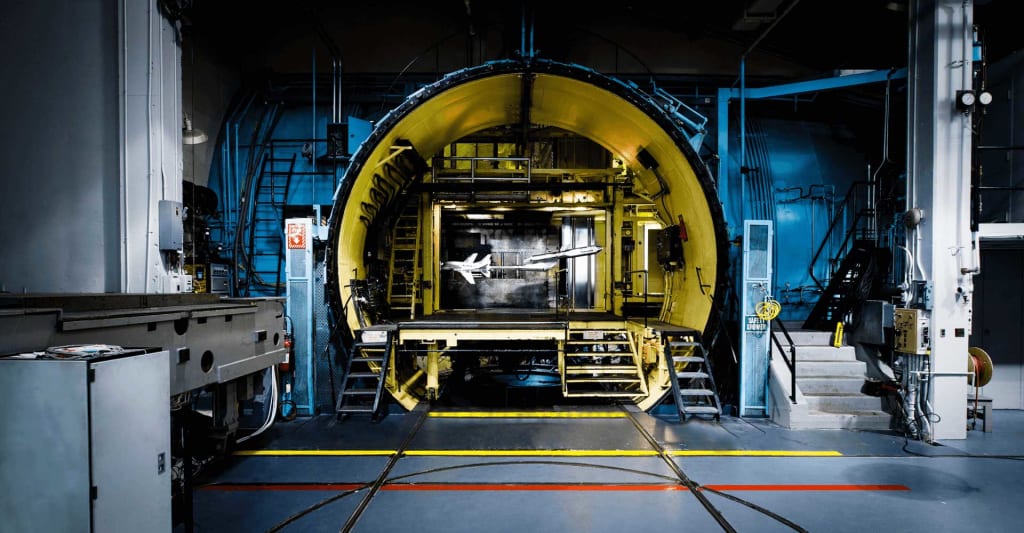
he quest for mastering the skies has always been a cornerstone of human innovation. From the earliest attempts at flight by the Wright brothers to the cutting-edge aerospace technologies of today, understanding the dynamics of airflow has been pivotal. At the heart of this understanding lies the wind tunnel, a sophisticated tool that has revolutionized the way we design and test aircraft, automobiles, and even sports equipment. Among the various types of wind tunnels, transonic wind tunnel testing stands out as a critical method for analyzing the complex interactions between air and objects at near-supersonic speeds. This article delves into the fascinating world of wind tunnel dynamics, exploring how these engineering marvels unlock the secrets of flight and performance.
The Evolution of Wind Tunnels
Wind tunnels have been instrumental in advancing aerodynamics since their inception in the late 19th century. The first wind tunnel, built by Francis Herbert Wenham in 1871, was a simple wooden box with a fan to generate airflow. Over time, wind tunnels evolved into highly sophisticated facilities capable of simulating a wide range of aerodynamic conditions. Today, they are indispensable tools in aerospace engineering, automotive design, and even urban planning.
The primary purpose of a wind tunnel is to simulate the effects of airflow over a stationary object, allowing engineers to study the forces acting on it. By placing a scale model or prototype in the wind tunnel, researchers can measure parameters such as lift, drag, and turbulence, which are crucial for optimizing performance and efficiency.
The Science Behind Wind Tunnels
At its core, a wind tunnel is a controlled environment where air is forced to flow over a test object. The key components of a wind tunnel include:
Test Section: This is where the model or prototype is placed. The test section is designed to ensure uniform airflow and minimize turbulence.
Fan or Compressor: A powerful fan or compressor generates the airflow required for testing. The speed of the airflow can be adjusted to simulate different conditions.
Settling Chamber: Before entering the test section, the air passes through a settling chamber, which stabilizes the flow and removes any irregularities.
Diffuser: After passing over the test object, the air flows into a diffuser, which slows it down and reduces turbulence before it is recirculated or expelled.
Wind tunnels are classified based on the speed of the airflow they generate. These classifications include:
Subsonic Wind Tunnels: Used for testing at speeds below the speed of sound (Mach 0.8).
Transonic Wind Tunnels: Designed for testing at speeds close to the speed of sound (Mach 0.8 to 1.2).
Supersonic Wind Tunnels: Used for testing at speeds exceeding the speed of sound (Mach 1.2 to 5).
Hypersonic Wind Tunnels: Capable of simulating extremely high speeds (Mach 5 and above).
Transonic Wind Tunnel Testing: A Game-Changer in Aerodynamics
Transonic wind tunnel testing is particularly significant because it addresses the complex aerodynamic phenomena that occur at speeds close to the speed of sound. This range, typically between Mach 0.8 and 1.2, is where aircraft experience the most challenging aerodynamic conditions. At these speeds, the airflow over different parts of the aircraft can be subsonic, transonic, or supersonic, leading to phenomena such as shock waves, flow separation, and increased drag.
Key Challenges in Transonic Testing
Shock Waves: As an aircraft approaches the speed of sound, shock waves form on its surfaces. These shock waves can cause sudden changes in pressure, leading to increased drag and potential structural damage.
Flow Separation: At transonic speeds, the airflow over the wings and fuselage can separate, reducing lift and increasing drag.
Buffeting: The interaction between shock waves and the aircraft's structure can cause vibrations, known as buffeting, which can affect stability and control.
Applications of Transonic Wind Tunnel Testing
Transonic wind tunnel testing is essential for designing and optimizing aircraft, missiles, and even high-speed trains. Some of its key applications include:
Aircraft Design: Transonic testing helps engineers optimize the shape of wings, fuselage, and control surfaces to minimize drag and maximize efficiency.
Engine Integration: Testing the interaction between the aircraft's airframe and its engines is crucial for ensuring optimal performance.
Weapon Systems: Missiles and other high-speed projectiles are tested in transonic wind tunnels to evaluate their aerodynamic stability and accuracy.
The Role of Wind Tunnels in Modern Engineering
Wind tunnels are not limited to aerospace applications. They play a vital role in various fields, including:
1. Automotive Industry
Wind tunnels are used to test the aerodynamics of cars, trucks, and motorcycles. By reducing drag, manufacturers can improve fuel efficiency and performance. For example, Formula 1 teams rely heavily on wind tunnel testing to design cars that can achieve maximum speed and stability on the track.
2. Sports Engineering
Athletes and sports equipment manufacturers use wind tunnels to optimize performance. Cyclists, skiers, and even runners test their gear and posture in wind tunnels to reduce air resistance and gain a competitive edge.
3. Urban Planning
Wind tunnels are used to study the effects of wind on buildings, bridges, and other structures. This information is crucial for designing structures that can withstand high winds and minimize wind-induced vibrations.
Innovations in Wind Tunnel Technology
Advancements in technology have transformed wind tunnels into highly precise and versatile tools. Some of the latest innovations include:
Computational Fluid Dynamics (CFD): While wind tunnels remain essential, CFD simulations are increasingly used to complement physical testing. CFD allows engineers to model airflow digitally, reducing the need for extensive wind tunnel testing.
Adaptive Walls: Some modern wind tunnels feature adaptive walls that can change shape to minimize interference with the airflow, providing more accurate results.
Cryogenic Wind Tunnels: These specialized wind tunnels use cooled air to simulate high-altitude conditions, making them ideal for testing spacecraft and hypersonic vehicles.
The Future of Wind Tunnels
As the demand for faster, more efficient, and environmentally friendly transportation grows, wind tunnels will continue to play a critical role in innovation. Emerging technologies such as electric aircraft, autonomous vehicles, and space exploration will rely on wind tunnel testing to overcome aerodynamic challenges and push the boundaries of what is possible.
Moreover, the integration of artificial intelligence and machine learning into wind tunnel testing promises to revolutionize the field. These technologies can analyze vast amounts of data in real-time, enabling engineers to make faster and more informed decisions.
Conclusion
Wind tunnels, particularly those used for transonic wind tunnel testing, are indispensable tools in the quest for aerodynamic excellence. By simulating the complex interactions between air and objects, they unlock the secrets of flight and performance, enabling engineers to design safer, faster, and more efficient vehicles. From the skies above to the roads below, wind tunnels have shaped the world we live in and will continue to drive innovation for generations to come.
As we look to the future, the role of wind tunnels in advancing technology and solving global challenges cannot be overstated. Whether it's designing the next generation of aircraft, optimizing renewable energy systems, or exploring the far reaches of space, wind tunnels will remain at the forefront of scientific discovery and engineering achievement.
About the Creator
David Ranson
Experience luxury with Miami Unique Limo. Rent limos, buses, and vans for any occasion.
Keep reading
More stories from David Ranson and writers in Journal and other communities.
Data and Design How Flight Testing Shapes the Future of Aviation
The aviation industry has undergone tremendous advancements over the past century, transforming from a nascent technology into one of the safest and most efficient modes of transportation. While innovations in aircraft design have undoubtedly contributed to this progress, one of the most crucial factors in ensuring the continued evolution of aviation is flight testing. Through the integration of data-driven analysis and precise design adjustments, flight testing plays an essential role in shaping the future of aviation.
By David Ransonabout a year ago in Journal
Digital Health in a Regulated World: Why Compliance Drives Innovation
Introduction Digital health has the potential to reshape healthcare globally. According to the World Health Organization (WHO), every additional $0.24 invested per patient annually in digital health solutions could prevent more than two million deaths from chronic diseases. While the statistic sounds promising, turning that potential into reality requires navigating healthcare regulation, one of the most complex landscapes in modern business.
By Josh Seidenfeld3 days ago in Journal


Comments
There are no comments for this story
Be the first to respond and start the conversation.