
Why We Can’t Replace AI with Real Human Translators
A few years ago, a global company decided to use an advanced AI translation tool for all their marketing campaigns. The system promised fast, affordable, and accurate translations into more than fifty languages. Everything went smoothly until one day, their slogan, meant to say “Bring your dreams to life,” was translated into something that, in another language, sounded like “Wake up to your illusions.” What was meant to inspire ended up confusing customers and damaging the brand’s image.
This story is not unique. It shows something powerful that no matter how advanced artificial intelligence becomes, it still struggles to understand what makes language truly human.
The Human Touch Behind Every Word
Human translators do more than just replace words from one language with another. They listen to emotions, feel the rhythm of speech, and understand the unspoken meaning behind every phrase. When a translator reads a text, they don’t just see words; they see a story, a purpose, and a message that must connect with people.
AI, on the other hand, sees patterns, probabilities, and data. It doesn’t understand why a joke makes someone laugh or why a phrase can make someone cry. It cannot sense when a line should sound gentle, persuasive, or powerful. Only a human can feel that, and that feeling is what brings words to life.
Culture Is More Than Data
Once, a travel agency used AI to translate their brochures into Japanese. The literal translation was accurate, but it used phrases that felt too direct for the Japanese audience, where politeness and subtlety are highly valued. A human translator would have instantly noticed that tone mismatch and softened the language to suit cultural expectations.
Culture is not a formula. It is built on history, beliefs, and emotion. A single misplaced word can change how people feel about your message. AI cannot truly understand that, because it doesn’t live in any culture. Human translators do. They live, breathe, and experience the worlds they translate between.
Creativity and Emotion Make the Difference
Imagine reading a poem translated by AI. The words may be correct, but the soul of the poem, its rhythm, emotion, and beauty, disappears. Human translators bring that soul back. They make creative choices, adapt metaphors, and choose words that sound natural to the target audience.
This creativity is especially vital in marketing, literature, and storytelling. A translator must sometimes rewrite sentences completely while keeping the same message alive. AI cannot do this, because creativity is not something you can program; it is something you feel.
Trust and Responsibility
In fields like law, medicine, and government, one small mistranslation can cause serious harm. Human translators understand the weight of this responsibility. They check their work carefully, respect confidentiality, and ensure that every term is correct. AI tools cannot take responsibility for their mistakes, nor can they explain why they made them.
A human translator stands behind their work. They carry accountability, pride, and professionalism, qualities that machines simply don’t have.
AI as a Partner, Not a Replacement
Of course, AI translation tools are useful. They help with speed, consistency, and handling large volumes of text. But they are tools, not storytellers. The best results happen when AI and humans work together. AI can handle the repetitive parts, while human translators polish the words, adjust the tone, and make sure the message truly speaks to people.
The Heart of the Story
Language is more than communication. It is connection. It is how we share ideas, emotions, and dreams. Machines can process information, but they cannot feel or understand the world the way we do.
So, while AI continues to evolve, it will never replace the warmth, intuition, and creativity that only a human translator can bring. Because at the heart of every powerful message, every moving story, and every meaningful translation, there is and always will be a human being. Citation: https://thetranslationgate.com/
About the Creator
Keep reading
More stories from writers in Journal and other communities.
Author’s Advice
If you would’ve asked me 20 years ago did I know I’d become a writer and an author, I would’ve said “nope, ain’t happening”. As fate would have it I did become an author and I can honestly say I’m loving it so far. It really does feel good to be a writer. I’ve learned a lot on this journey and I feel like with even me being as new to this world as I am, there’s some wisdom I need to share with every other aspiring author.
By Joe Patterson2 days ago in Journal
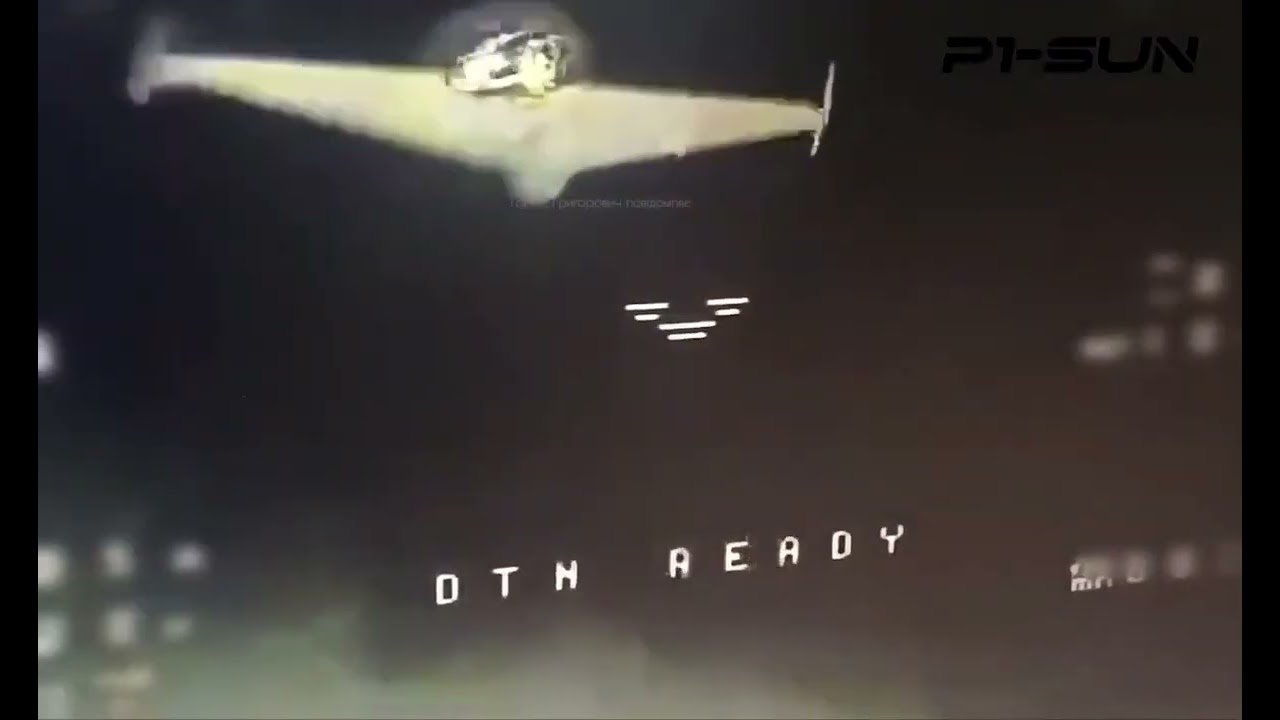
Ukraine's P1SUN Drone Interceptor Sold to the US for Gulf Defence
Oh, the irony of it all. The sale of Ukrainian P1SUN interceptor drones to the US is a hugely significant event. This agreement, which involves the delivery of an initial 1,000 units to the Middle East, reflects the urgent requirement for cost-effective solutions to counter prolific loitering munitions such as the Iranian-designed Shahed series.
By James Marinero6 days ago in Journal
Top tipple tricks
Been thinking a lot about drinking, lately. Not least because of a recent episode of over-indulgence and the inevitable after effects. Some readers may recall the earlier articles I wrote about beating the booze. Here I set out an experiment in techniques for cutting down on my alcohol intake. The experiment was successful, the techniques worked, and I have armed myself with an arsenal of weapons in the war against the demon drink. I have yet to fire the first round however. It's all a question of timing (perhaps procrastination).
By Raymond G. Taylor5 days ago in Psyche
Thief In The Night
To the thief in the night that took and replicated what once was mine: Honestly, I feel kind of bad for you. It’s funny, because we hardly know each other. I only know of you through the magazines you’ve written and the broadcasts you have televised in the past — as well as through the public mentions of you from your show business connections there.
By Snarky Lisa6 days ago in Humans



Comments
There are no comments for this story
Be the first to respond and start the conversation.