
Why Thousands of UK Tenants Are Speaking Out About Housing Disrepair?
A closer look at the rising housing disrepair crisis in the UK and the rights tenants often don’t realise they have.
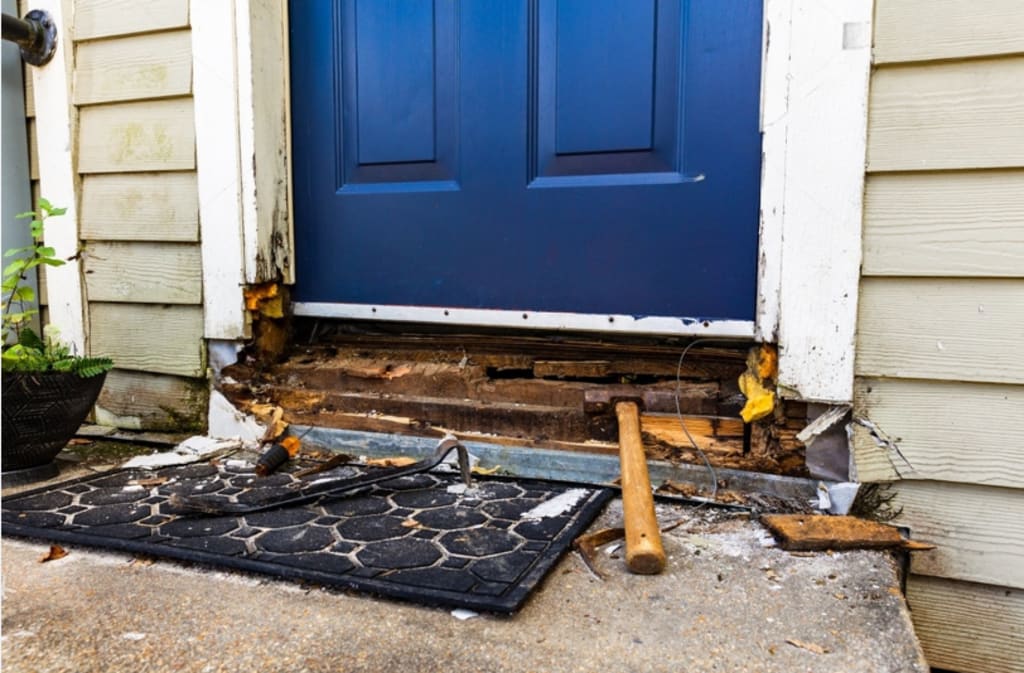
For many tenants across England and Wales, the idea of “home” has taken on a meaning that feels increasingly uncertain. Over the past few years, reports of damp, mould, broken heating systems, structural decay, and persistent leaks have become so common that they’re hardly surprising anymore. What is surprising is just how long many people live with these issues before anything changes.
Housing disrepair is no longer a quiet, individual problem. It has become a national conversation one that blends health, safety, and dignity with the realities of social housing, overstretched councils, and long waiting lists for basic repairs.
I began researching this subject after interviewing a Birmingham tenant who had endured two years of rising damp in his flat. She explained that she did things like put furniture against walls not because she liked how it looked, but because her black mould issue was so severe she didnat want people to see what was happening behind a sofa or whatever. Her situation isn’t rare. This is in fact representative of thousands of other stories across the UK.
Why the Problem Keeps Growing
Housing associations and councils are responsible for maintaining safe, liveable homes. Yet many tenants say they feel trapped between slow responses, ignored emails, and repair requests that vanish into silence.
- Experts point to several reasons:
- Ageing social housing stock
- Lack of funding for maintenance
- Skilled labour shortages
- Oversight issues within some housing providers
Whatever the reason, the impact falls on the tenant. Respiratory issues, damaged belongings, increased heating costs, and stress are all common themes in conversations about disrepair. One housing officer I spoke to described the situation as “a backlog built on another backlog,” with some repairs delayed not by neglect but by the sheer scale of demand.
Still, tenants say the system feels unbalanced. Many feel that the only time meaningful action happens is when outside help becomes involved.
When Repairs Are Delayed: What Tenants Can Actually Do
Most tenants don’t realise that they have formal rights when repairs are ignored for long periods. Under UK housing law, landlords must fix issues that affect health, safety, or the structure of the home. If they don’t, tenants can make an official complaint and, in some cases, pursue a legal remedy.
Several organisations now help tenants understand these rights. During my research, I came across groups that provide free eligibility checks and guidance on whether a tenant’s situation qualifies as “disrepair” under the law. One example is Disrepair Team, who offer information about tenant rights and paths for getting help:
For many tenants, even knowing that support exists is a turning point. A woman from Manchester told me she felt “relief, not anger” when she learned that ignored repairs weren’t just bad luck they were a breach of her legal rights.
The Human Side of Disrepair
Behind the legal definitions and repair schedules are families who just want a warm, safe home.
One father described sleeping in the living room with his son for months because mould kept returning in the child’s bedroom. A pensioner in Cardiff said she’d started keeping bowls on her staircase to catch water from a ceiling leak. A young couple in Leeds said they stopped inviting people over because the smell from damp was too strong.
These stories share a common thread: people adapt to situations no one should have to endure.
A Growing Call for Change
There is increasing pressure on housing providers to take disrepair more seriously. News outlets regularly feature stories about mould-related illnesses. Charities have called for stronger enforcement. MPs have pushed for better accountability.
But until real change takes hold, tenants continue to navigate the gap between what should happen and what actually happens.
Why Conversations Like This Matter
The housing crisis is complex, but awareness is the first step toward improvement. The more tenants understand their rights and the more stories they share the harder it becomes for the issue to stay hidden.
Disrepair is not just about walls, floors, or windows. It’s about wellbeing. It’s about the right to feel safe in your own home. And it’s about ensuring that no one has to live for years waiting for repairs that should have been carried out within weeks.
About the Creator
Keep reading
More stories from writers in Journal and other communities.
How Much Does It Cost to Start an Outpatient Rehab Treatment Facility
Introduction to Outpatient Rehab Facility Costs Establishing an outpatient rehabilitation treatment facility requires a nuanced understanding of both healthcare delivery and business economics. Unlike residential centers, outpatient programs typically involve lower capital intensity, yet they still demand substantial upfront investment. Costs vary widely based on geography, service scope, and regulatory rigor. A modest facility may require a few hundred thousand dollars to launch, while a comprehensive center offering multiple therapies can exceed seven figures. Prudent financial forecasting at the outset reduces fiscal turbulence later and creates a foundation for sustainable operations.
By Fida Hassain4 days ago in Journal
Wild Card Weekend Recap: What Happens Now?
I think I figured out why I love Wild Card Weekend so much. It's because it's the first playoff anything of the calendar year. The NFL season starts in the fall, and once upon a time, the champion was crowned either on or slightly before New Year's. The evolution of the NFL schedule has resulted in the playoffs starting just into the New Year, and currently, the final week of the season falls on the first weekend of the New Year, with Wild Card Weekend coming a week after that. So yes, chronologically, the NFL's Wild Card Weekend serves as the first playoff anything of the calendar year.
By Clyde E. Dawkins6 days ago in Unbalanced




Comments
There are no comments for this story
Be the first to respond and start the conversation.