
Why the Greenland Crisis Became the Most Viral Geopolitical Story of the Year
An Insightful Analysis

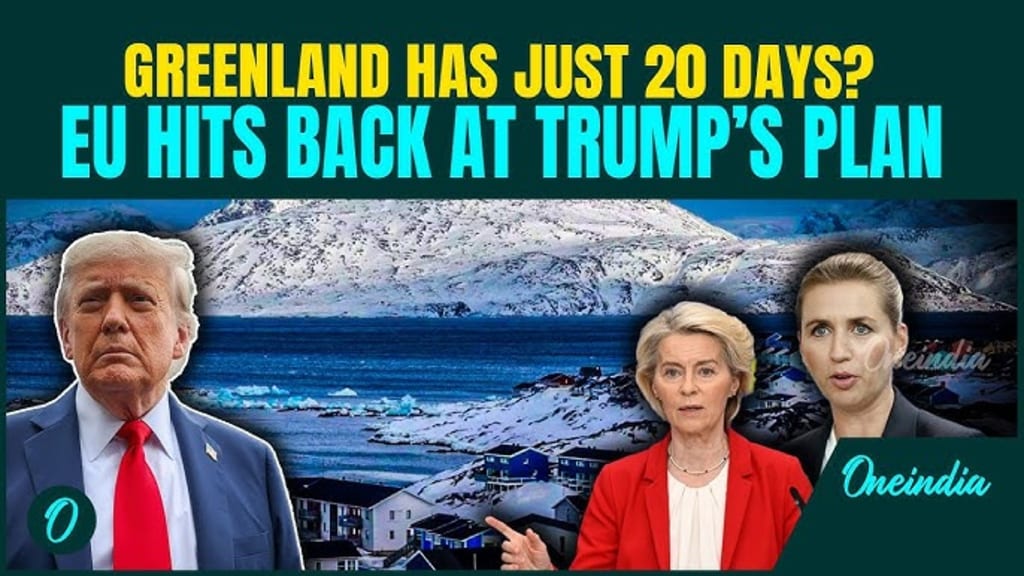
Picture this in your feed: The President of the United States publicly threatens to take control of a NATO ally’s territory — and Europe doesn’t just push back… it mobilizes troops, intensifies diplomacy, and ignites fierce debate worldwide. That’s exactly the story gripping global headlines in early 2026 — the Greenland crisis — and it’s gone wildly viral.
But why did this become a worldwide viral topic, crossing borders, political divides, and media platforms? Let’s unpack the story, why it exploded on social media and news outlets, and what it reveals about modern geopolitics, national identity and global power plays.
What’s Happening in Greenland?
Earlier this month, U.S. President Donald Trump reignited a decades-old idea: the United States should acquire Greenland — a vast, resource-rich autonomous territory belonging to Denmark. This isn’t the first time this idea has surfaced — Trump famously floated buying the island in 2019 — but this time it came with an aggressive geopolitical twist.
Rather than a diplomatic purchase plan, Trump and his administration began framing Greenland as a critical national security asset — even hinting at economic penalties or military options if Denmark refuses to cooperate. That’s a pretty hefty evolution from a simple idea into political brinkmanship.
Why does Greenland matter?
🌐 Strategic Location — Positioned between North America and Europe, its location is crucial for Arctic defense and monitoring, particularly the so-called GIUK Gap that’s pivotal for tracking naval movements.
⚒️ Untapped Resources — Greenland has vast deposits of rare earth minerals, which are critically important for technology and defense industries.
🌍 Global Influence — Control of Greenland carries symbolic weight in global power dynamics — America, China, and Russia all have interests in the Arctic.
But it’s how this push unfolded that turned it into a paradoxical viral story: the idea of the U.S. threatening to take over a friendly ally’s territory was shocking to many, and ignited intense diplomatic, public, and media reactions globally.
Why It Exploded Across Newsfeeds and Social Media
1. It Sounds Like a Plot Twist in a Movie 🎬
Most people don’t expect the President of the United States to openly push for control over a NATO ally’s territory — especially in 2026. The headlines didn’t just quietly report a bureaucratic spat — they screamed conflict, uneasy alliances, and diplomatic shockwaves. That intrigue factor alone makes a story go viral.
2. NATO Tensions and Geopolitical Shockwaves 🌐
The United States and European NATO members have long been military partners. But this Greenland controversy exposed cracks in that alliance, with leaders in Denmark and Europe rejecting the idea outright and reaffirming sovereignty. European nations even began small troop deployments and diplomatic pushes to defend the island — ultimately turning a regional issue into a transatlantic crisis.
This was no longer just about U.S. foreign policy — it became about:
NATO unity
International law
The future of Arctic geopolitics
European defense independence
All of which are everybody’s business on the global stage.
3. International Identity and Sovereignty Took Center Stage 🌍
Greenlandic politicians and citizens made their voices heard: “We want to decide our future, not be treated like property.” Statements like this struck a chord globally — especially on social media — because it touches on universal ideas of freedom, self-determination, and colonial memory.
Suddenly, this was more than geopolitics: it was about identity, dignity, and what it means to be in control of your own destiny.
4. Social Media Amplified the Drama 🚀
From political commentary threads on Reddit to YouTube explainers analyzing strategic maps and NATO stakes, this story spread not just through traditional news outlets, but viral communities online. Tweets, memes, and debates raged over questions such as:
Can the U.S. really take a NATO ally’s territory?
What rights do Greenlanders have?
Is this a new form of geopolitical bullying?
These questions propelled the story into living rooms, comment threads, and global timelines — far beyond foreign policy circles.
5. Political Polarization Made It Controversial
Critics around the world latched onto the story to critique U.S. leadership and geopolitical strategy, while supporters defended America’s interests in the Arctic. This polarization made headlines in both conservative and liberal media, fueling debates across borders and transforming a diplomatic dispute into a global online culture war.
What This Tells Us About Today’s News Cycle
The Greenland crisis is a perfect case study in how news goes viral today:
📌 The story has emotional impact — national identity, sovereignty, and international pressure.
📌 It features powerful players — the U.S. President, NATO allies, European leaders, and Indigenous voices.
📌 There’s conflict, uncertainty, and unpredictability — everything that keeps attention glued and feeds social chatter.
📌 It taps into broader global concerns — shifting world order, military alliances, and resource geopolitics.
It’s a story that feels big, sounds dramatic, and spreads fast — the trifecta of viral news.
Final Thought
In an era where headlines break faster than ever, geopolitics rarely reaches viral levels outside crises — but Greenland did. It’s more than a land dispute — it’s a narrative about who gets to shape the future, how alliances hold up under pressure, and how the world reacts when familiar rules suddenly feel uncertain.
Whether you’re passionate about geopolitics, digital culture, or global power dynamics, the Greenland story shows one thing clearly: in 2026, even international diplomacy is sharable content — and the world is watching.
About the Creator
Omasanjuwa Ogharandukun
I'm a passionate writer & blogger crafting inspiring stories from everyday life. Through vivid words and thoughtful insights, I spark conversations and ignite change—one post at a time.
Keep reading
More stories from Omasanjuwa Ogharandukun and writers in Journal and other communities.
Beyond the Balance Sheet: The Evolving Role of the Chief Financial Officer
The responsibilities of a Chief Financial Officer have changed considerably over time. While financial accuracy and compliance remain important, many organizations now rely on CFOs for much more than reporting. Today’s financial leaders are expected to contribute to planning, risk assessment, and long-term stability. This broader role reflects how businesses increasingly recognize finance as a tool for clarity rather than control.
By ORM_Specialist6 days ago in Journal


Comments
There are no comments for this story
Be the first to respond and start the conversation.