
Why Retail Branding Is the Core of Every Winning Go-To-Market Strategy?
Why Retail Branding Decides the ROI of Every Go-To-Market Expansion

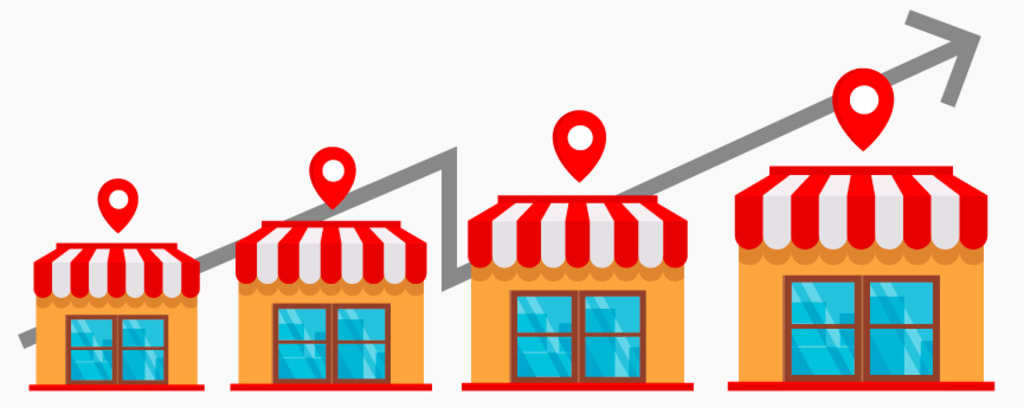
Your team just spent months building the perfect Go-To-Market (GTM) Strategy. It’s a flawless plan, target demographics defined, supply chain mapped, and launch windows secured. You know where to go and how fast to move.
But as a retail or brand decision-maker, you know instinctively that success isn't just about securing a lease; it's about securing mindshare.
A GTM strategy is your brand's roadmap, the logistical blueprint. But without a powerful foundation of expert Retail Branding, that blueprint lacks the emotional and experiential force necessary to convert strategy into sustainable sales.
A great GTM plan gets you into the market. Exceptional retail branding ensures you stay relevant, drive footfall, and achieve measurable ROI once you arrive.
How Retail Branding Sets the Tone for GTM?
When executing a GTM plan, most resources focus on the macro elements: territory selection, pricing, and distribution partnerships. Yet, the point of greatest vulnerability, and opportunity, is where the customer physically interacts with your brand.
Every physical element of your store speaks before your product does.
● The clarity of your signage.
● The logic of your store layout.
● The effectiveness of your merchandising.
● The seamless integration of in-store digital displays.
These touchpoints are not merely design tasks; they are strategic communications.
Retail Branding is the essential discipline that aligns your ambitious GTM goals with what customers actually see, feel, and remember. It transforms your market expansion from a purely distributional exercise into a definitive, market-making move that builds long-term brand equity.
If your physical experience contradicts the story your GTM plan is telling, your strategy will fail at the final, most crucial moment, the point of sale.
Branding as Your Competitive Edge
When implementing a retail go-to-market plan, think about a typical situation. Two identical clothing brands walk into a brand-new, busy shopping center. They provide comparable product categories, the same advantageous leasing terms, and the same debut date.
Brand A uses off-the-shelf fixtures and generic layouts because they view shop fit-out as an expense that should be kept to a minimum. In order to create insight-driven retail branding, Brand B collaborates with a team of professionals. They place a high value on localized components that complement the aesthetics of the new market, an immersive visual narrative connected to their product line, and easy wayfinding.
In just six months, Brand B is surpassing Brand A in terms of conversion and foot traffic. Why?
Because consumers purchase more than simply clothing—they purchase the narrative that the brand space conveys. Instant trust was established, superior quality was indicated, and a memorable experience was provided by Brand B's constant, powerful branding. It was just another store, Brand A.
"Your GTM Strategy might secure the location. Your Retail Branding secures the mindshare, loyalty, and repeat business."
Branding Checkpoints Before a GTM Rollout
To ensure your retail go to market strategy is successful, retail branding must be checked off before construction begins. Treat these four checkpoints as non-negotiable strategic decisions:
1. Aligning Presence with Positioning
Does the physical store match the high-level positioning your GTM team is communicating to the media and investors? If your new market positioning is "premium and sustainable," your store materials cannot look cheap, plastic, or dated. A thorough audit ensures your visual assets powerfully reinforce the positioning you are taking to market.
2. Finding the Cultural Fit
A globally consistent brand is crucial, but successful GTM execution requires localized nuance. Does your store branding reflect the cultural aesthetics, consumer behavior, and material preferences of the new market? The right branding partner finds the balance, Global DNA, Local Expression. This shows respect to the new audience, dramatically improving engagement.
3. Optimization for the Environment
Not all stores are created equal. Is your new branding optimized for a high-street shop, a sprawling out-of-town center, or a compact shop-in-shop concept? Your retail branding must be modular and flexible enough to deliver a consistent experience regardless of physical constraints. This prevents costly redesigns after the initial opening.
4. Scalability: Ready for Rapid Expansion
A winning GTM strategy assumes growth. Will your initial store branding remain financially viable and physically consistent across 10, 50, or 100 future store openings? You need design guidelines built for rapid, cost-effective rollout. Scalability in branding is the difference between a successful pilot store and a profitable national expansion.
Conclusion
For retail decision-makers, the relationship between a Retail Go To Market Strategy and Retail Branding is symbiotic. The strategy identifies the target; the branding delivers the compelling experience that captures the target.
Together, they decide whether you’re simply another market entrant, or the brand that fundamentally defines the market. The smartest GTM strategies don't treat branding as a late-stage requirement; they place it at the core of execution.
Stop risking your GTM success on generic fit-outs. Your store design is your most powerful sales tool. Ready to ensure your next market entry is defined by conversion and consistency?
About the Creator
D'Art Design
D’Art Design is a leading global retail design agency. We integrate tactic to provide outstanding experiences, through brand communication and activation, brand design, promotion, and interior design.
Keep reading
More stories from D'Art Design and writers in Journal and other communities.
What Are The Most Effective Branding Elements Of A Shop Design?
Branding is indeed one of the most crucial aspects of a retail business. There is a misconception that the logo or slogan of a company is its main branding element. However, retailers and businessmen should be aware of the fact that branding is actually associated with each and every retail element that communicates the brand’s values, message, personality, and identity to the customers.
By D'Art Design26 days ago in Journal
Spain in Mourning as Death Toll Rises After High-Speed Train Collision Near Córdoba
Spain woke up to a national tragedy on Monday as emergency crews continued recovery efforts following a deadly high-speed train collision in southern Spain that has already claimed at least 39 lives, with fears the number could still rise.
By Omasanjuwa Ogharandukunabout 4 hours ago in Journal



Comments
There are no comments for this story
Be the first to respond and start the conversation.