
Spain in Mourning as Death Toll Rises After High-Speed Train Collision Near Córdoba
After High-Speed Train Collision Near Córdoba

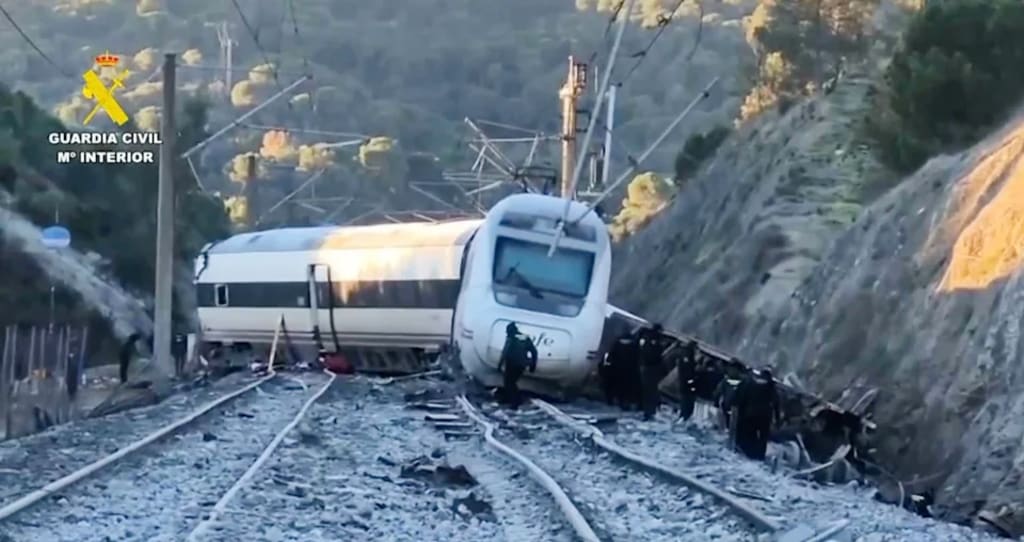
Spain woke up to a national tragedy on Monday as emergency crews continued recovery efforts following a deadly high-speed train collision in southern Spain that has already claimed at least 39 lives, with fears the number could still rise.
The crash, which occurred on Sunday evening at approximately 7:45 p.m., has sent shockwaves across Europe, reigniting conversations around rail safety—even in countries with some of the world’s most advanced transportation networks.
What Happened: A Timeline of the Spain Train Crash
According to Spanish authorities and rail operator Adif, the accident unfolded near Adamuz, a small town in the province of Córdoba, roughly 370 kilometers south of Madrid.
A high-speed train operated by Iryo, carrying nearly 300 passengers from Málaga to Madrid, derailed when the rear section left the tracks. In a devastating chain reaction, it collided with an oncoming Renfe train traveling from Madrid to Huelva.
The front carriages of the second train absorbed the full impact, with two cars knocked off the rails and sent down a slope beside the tracks. Officials believe this is where the majority of fatalities occurred.
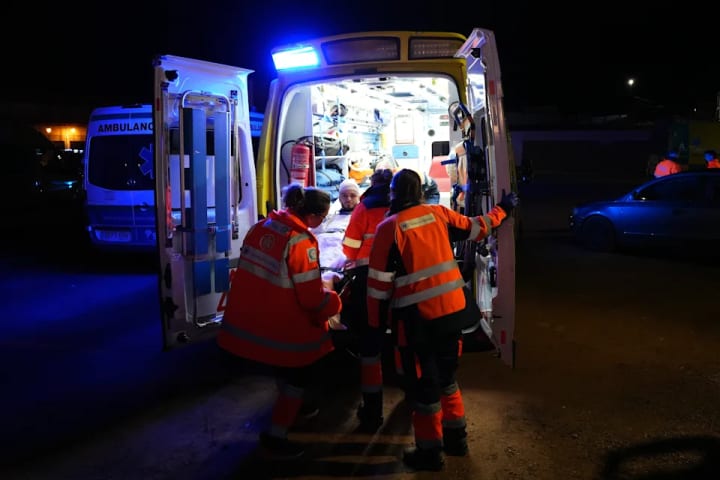
By early Monday morning, all survivors had been evacuated, but recovery teams remained on site, working through twisted metal to locate and identify victims.
Death Toll Climbs as Search Continues
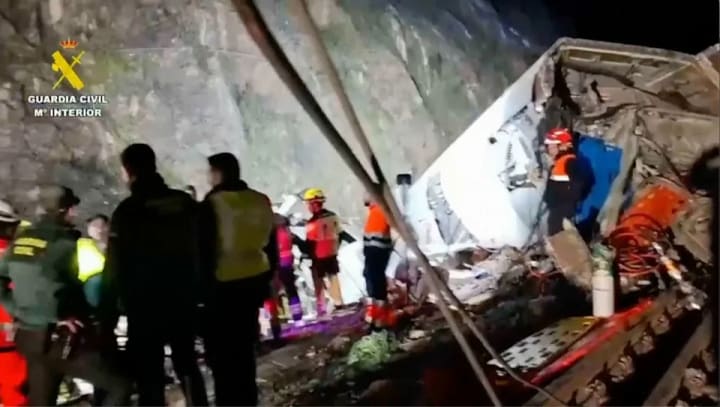
Spanish police confirmed 39 fatalities, while regional president Juanma Moreno warned that the number could increase once heavy machinery is used to lift damaged carriages.
“The violence of the impact is evident,” Moreno said, noting that some victims were found hundreds of meters from the crash site, highlighting the force of the collision.
Authorities have established a family assistance center in Córdoba, where relatives of missing passengers can seek updates and provide DNA samples to assist with identification.
As of Monday:
159 people were injured
12 remain in critical condition, including one child
Emergency services continue to search surrounding areas
Scenes From the Ground: Rescue and Survival
Images and aerial footage from the scene show train cars lying on their sides under floodlights, as rescue teams worked through the night.
Passengers who survived described moments of confusion and fear. Some escaped through broken windows, using emergency hammers to free themselves. One journalist onboard told Spanish broadcaster RTVE:
“It felt like an earthquake. Suddenly, everything went off the rails.”
A local sports center in Adamuz was transformed into a temporary medical facility, while the Spanish Red Cross provided psychological and logistical support to victims and responders.
Government Response and Investigation
Spanish Prime Minister Pedro Sánchez expressed condolences on social media, calling the night “one of deep pain for our country.” His office confirmed that he would visit the crash site.
Transport Minister Óscar Puente described the incident as “truly strange,” emphasizing that:
The section of track was flat and recently renovated
The derailed train was less than four years old
Both trains were well below the 250 kph speed limit
Early assessments suggest human error may be ruled out, with investigators focusing on infrastructure or mechanical issues. A full inquiry could take up to a month, according to officials.
Iryo stated that its train had passed a safety inspection just days earlier and pledged full cooperation with investigators.
Why This Crash Has Shaken Europe
Spain is widely regarded as a leader in high-speed rail, boasting:
The largest high-speed rail network in Europe
Over 3,100 kilometers of track
More than 25 million high-speed passengers in 2024 alone
This makes Sunday’s tragedy particularly jarring. It is the first fatal accident on Spain’s high-speed rail network since its launch in 1992, reinforcing how rare—but devastating—such incidents are.
The crash has drawn comparisons to Spain’s 2013 Santiago de Compostela disaster, though officials stress the circumstances are very different.
Rail Services Disrupted Nationwide
In the aftermath, all high-speed rail services between Madrid and Andalusia were suspended, causing widespread travel disruptions. Authorities say services will remain limited until safety inspections are completed.
Across social media, Spaniards shared messages searching for loved ones, offering condolences, and expressing disbelief that such a tragedy could occur on a system long considered among the safest in the world.
A Nation Pauses to Grieve
As Spain mourns, flags have been lowered, vigils are being organized, and tributes continue to pour in from across Europe and beyond.
For now, the focus remains on:
Recovering and identifying victims
Supporting grieving families
Understanding how a modern, regulated system failed so catastrophically
Sunday’s collision is a painful reminder that even the most advanced infrastructure is not immune to tragedy—and that accountability, transparency, and compassion must follow in its wake.
About the Creator
Omasanjuwa Ogharandukun
I'm a passionate writer & blogger crafting inspiring stories from everyday life. Through vivid words and thoughtful insights, I spark conversations and ignite change—one post at a time.
Keep reading
More stories from Omasanjuwa Ogharandukun and writers in Journal and other communities.
Global Stocks Slide as Trump’s Greenland Message Sparks Market Panic and Trade War Fears
Global financial markets woke up to a shockwave on Monday morning as investors digested an extraordinary message attributed to U.S. President Donald Trump, linking his long-standing desire to take control of Greenland to his failure to win the Nobel Peace Prize.
By Omasanjuwa Ogharandukun2 months ago in Journal
Author’s Advice
If you would’ve asked me 20 years ago did I know I’d become a writer and an author, I would’ve said “nope, ain’t happening”. As fate would have it I did become an author and I can honestly say I’m loving it so far. It really does feel good to be a writer. I’ve learned a lot on this journey and I feel like with even me being as new to this world as I am, there’s some wisdom I need to share with every other aspiring author.
By Joe Patterson5 days ago in Journal
Circadian Rhythm Doesn’t End When You Walk Indoors
Most people think of circadian rhythm as something connected primarily to daylight and nighttime. The rising sun signals the body to wake up. The darkness of evening encourages rest. For thousands of years, this natural cycle regulated how humans slept, worked, and recovered.
By illumipure6 days ago in Journal




Comments
There are no comments for this story
Be the first to respond and start the conversation.