
Why PAP Therapy Is the Gold Standard for Treating Sleep Disorders
Mental Health & Fitness
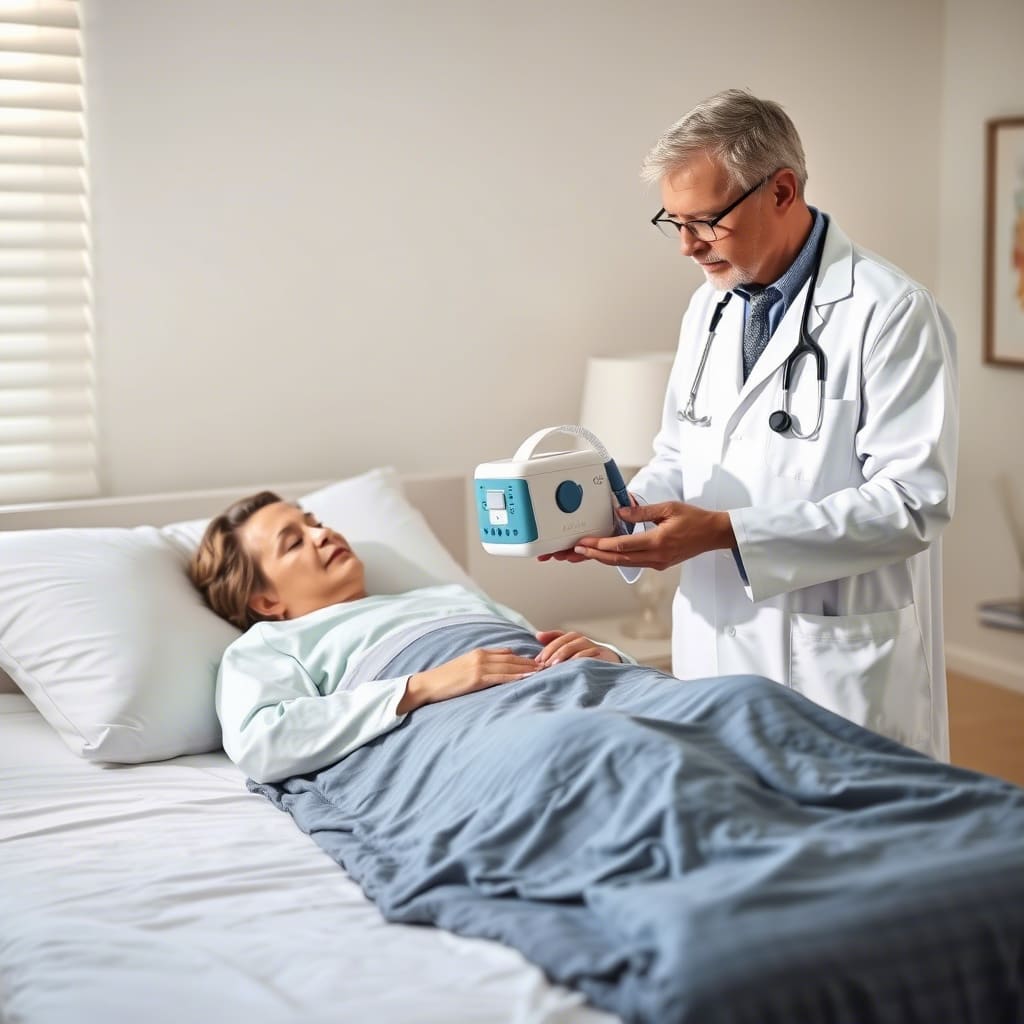
PAP therapy stands for Positive Airway Pressure therapy. It’s most commonly used for sleep apnea.As you sleep, the device forces air into your airway. This helps keep your airway open, so you can breathe better through the night.
But does it help everyone who has sleep problems? Not always. Here’s how it works and why it may not suit every case.
PAP therapy works best for sleep apnea
The main use of PAP therapy is for people with obstructive sleep apnea (OSA). In OSA, the airway gets blocked during sleep. This can cause loud snoring, choking, or long pauses in breathing. PAP therapy, like CPAP or BiPAP, pushes air in and keeps the airway open. For many people, it helps right away.
They feel more rested. They snore less. They don’t wake up gasping for air. They can stay asleep longer. It works well when the person uses the machine every night.
Not every sleep problem is caused by blocked airways
Some people have trouble sleeping for other reasons. For example:
Insomnia
Restless legs
Anxiety
Circadian rhythm issues
Narcolepsy
PAP therapy doesn't fix these problems. If someone with insomnia uses a CPAP machine, it won’t help them fall asleep faster. In fact, wearing a mask can make it harder for them to sleep. It might cause stress or discomfort.
So, if a person doesn’t have sleep apnea or airway blockage, PAP therapy might not help. They need a different kind of treatment.
Some people stop using the machine
Even people with sleep apnea sometimes stop using PAP therapy. Common reasons include:
The mask feels uncomfortable
The noise from the machine is distracting
The air pressure feels too strong
They feel claustrophobic
They don’t notice a big difference
This doesn’t mean the therapy isn’t working. It might mean they need a better mask, different pressure settings, or more support. Some people adjust over time. Others don’t.
There are other options
If PAP therapy doesn’t work, or if someone can’t tolerate it, other options are available. These include:
Oral appliances (mouth guards)
Positional therapy (changing sleep position)
Weight loss (for those who are overweight)
Surgery (in rare cases)
Medication (for insomnia or other conditions)
Doctors often try PAP first because it’s non-invasive and has strong evidence. But it’s not the only way.
What to consider before starting PAP therapy
Before starting PAP, a sleep study is needed. This confirms whether the person has sleep apnea. If they don’t, there’s no need for PAP.
If they do, a doctor will suggest the right type of machine. They might also explain how to use it and what problems to watch for.
It’s not a one-size-fits-all solution. Like any treatment, it works best when it's used the right way—and for the right problem.
Conclusion
PAP therapy helps many people. But not everyone. It works best for those with sleep apnea. For other sleep disorders, it's not the answer. The key is knowing the cause of the sleep problem. Once you know that, you can choose the right treatment.
About the Creator
Keep reading
More stories from Dr manvir bhatia and writers in Journal and other communities.
Is PAP Therapy Effective for Everyone with Sleep Disorders?
PAP therapy stands for Positive Airway Pressure therapy. It’s most commonly used for sleep apnea.As you sleep, the device forces air into your airway. This helps keep your airway open, so you can breathe better through the night.
By Dr manvir bhatia9 months ago in Journal
The goals I did not achieve
Every writing goal I made for the year is a wash. It has been this way for a while, but I think it's important to be open about my failures and the reality of how life can get in the way. This is especially true considering the several times I have posted on Vocal about my writing goals, how I was changing my approach, and where I was hoping to be for the upcoming year. I will probably do that again in a couple months, but for now, it is time to acknowledge where I am today.
By Kay Husnick24 days ago in Journal
What I Noticed When Light Stopped Feeling Sharp
I never would have described the light around me as a problem. It was bright enough. Clean. Modern. Exactly what you expect in a well designed indoor space. If someone had asked me whether the lighting felt uncomfortable, I probably would have said no.
By illumipure4 days ago in Journal


Comments
There are no comments for this story
Be the first to respond and start the conversation.