
Why Many Businesses Fail With Their First Mobile App?
The quiet weeks after launch when excitement fades and a first app reveals what a business didn’t plan for.

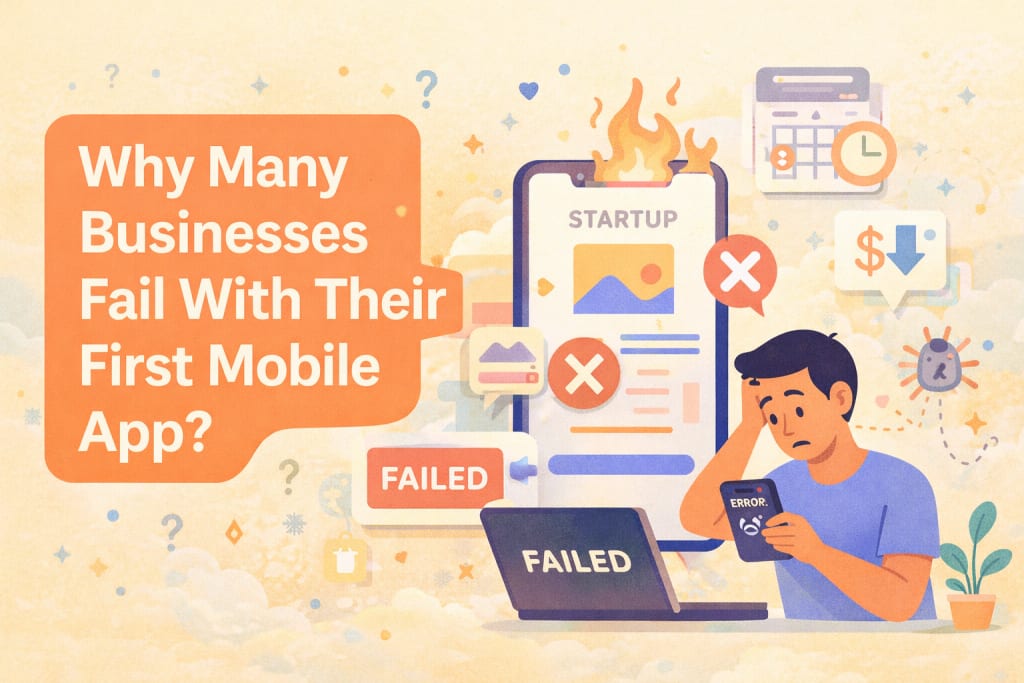
The room always feels quieter after launch. Not empty, just different. I remember sitting at a conference table a few weeks after an app went live, laptops open, coffee untouched, everyone waiting for someone else to speak first. The app existed now. It was real. Still, the excitement that filled the room on launch day had thinned into something harder to name.
I’ve been in mobile app development Los Angeles long enough to notice this pattern. First apps rarely fail loudly. They fade. They drift into a space where effort continues but direction feels uncertain.
Belief That the App Itself Is the Win
Most businesses treat their first app like a finish line. Months of planning, design, development, and anticipation build toward that single moment when the app appears in the store.
Launch feels like arrival. Confetti without the paper. Screenshots shared. Links sent around proudly.
The problem shows up after that moment passes. An app is not a strategy. It’s a container. Without something filling it daily, it sits quietly, waiting.
When Excitement Masks the Missing Plan
Early conversations tend to focus on features. What the app can do. What makes it different. What users will love.
What often goes unspoken is how the app will live after launch. Who will update it. Who will listen to users. Who will decide what comes next.
I’ve watched teams pour everything into getting version one out, only to realize they never planned for version two. Momentum slows because no one agreed on what momentum should look like.
Confusing Downloads With Direction
The first numbers arrive quickly. Installs. Sign-ups. Initial activity. These numbers feel reassuring.
Still, numbers alone don’t explain behavior. People download apps out of curiosity. Out of habit. Out of momentary need. Staying requires something else.
I’ve seen businesses celebrate early downloads without noticing that usage drops quietly days later. The app isn’t failing technically. It’s failing to give people a reason to return.
Building for Everyone and Reaching No One
Another pattern shows up early. First apps often try to serve too many needs at once.
The thinking feels generous. If the app does more, more people will want it. In practice, this creates confusion. The experience lacks a clear center. Users struggle to understand what the app is truly for.
When everything is included, nothing feels essential. The app becomes easy to forget.
When the App Mirrors Internal Assumptions
Many first apps reflect how a business sees itself, not how users experience it. Internal workflows turn into screens. Department priorities turn into navigation.
From the inside, it makes sense. From the outside, it feels heavy.
I’ve sat with teams reviewing feedback that didn’t match their expectations. Users weren’t using the app the way it was imagined. Not because users were wrong, but because the app was designed inward instead of outward.
Gap Between Vision and Maintenance
Building an app feels creative. Maintaining one feels routine. That shift catches many businesses off guard.
After launch, small issues appear. Minor bugs. Edge cases. Performance hiccups. None of them dramatic. Together, they create friction.
When no one owns maintenance clearly, these issues linger. Users feel them even if they never report them. Over time, trust erodes quietly.
Treating Feedback as Noise Instead of Signal
Early feedback can feel uncomfortable. Reviews focus on small frustrations. Comments miss the big vision.
I’ve watched businesses dismiss this feedback because it doesn’t align with what they hoped to hear. That dismissal costs more than it saves.
First apps don’t fail because feedback exists. They fail because feedback goes unheard long enough to matter.
Absence of a Living Purpose
Successful apps evolve around a living purpose. That purpose guides decisions when trade-offs appear.
Many first apps launch without that clarity. The app exists because it seemed necessary. Once built, no one can clearly articulate what success looks like beyond general growth.
Without a living purpose, decisions stall. Updates feel reactive. The app drifts instead of developing.
Why Marketing Alone Can’t Save It
Some teams try to fix a struggling first app by pushing harder on promotion. Ads increase. Campaigns expand. Visibility rises briefly.
More users arrive. They leave for the same reasons earlier users did.
Marketing can amplify an experience. It cannot replace one. When the app itself lacks clarity or follow-through, attention only accelerates disappointment.
Emotional Toll on the Team
What often goes unspoken is how this affects the people behind the app. Developers feel like their work didn’t land. Founders feel exposed. Teams lose confidence.
This emotional weight slows improvement. People hesitate to suggest changes. They worry about admitting something didn’t work.
First apps rarely fail because teams lack ability. They fail because uncertainty makes everyone cautious at the wrong moment.
Apps That Survive the First Phase
The apps I’ve seen survive share one trait. They treat launch as a beginning, not a verdict.
They listen closely. They adjust calmly. They narrow focus instead of expanding it. They choose one problem to solve well before solving ten poorly.
These apps don’t rush to redefine themselves. They refine.
Learning That Apps Are Relationships
An app is not a product you release once. It’s a relationship you enter into with users.
Relationships require attention. They require responsiveness. They require patience.
First-time builders often underestimate this. They build something impressive and expect it to sustain itself. When it doesn’t, disappointment fills the gap where understanding should be.
Quiet Moment When It Becomes Clear
I remember another meeting, months after launch. Fewer people. Softer voices. The app still existed. It wasn’t gone. It just wasn’t growing.
Someone finally said it out loud. We built the app, but we didn’t build the habit around it.
That sentence changed everything. It shifted the conversation from blame to clarity.
Starting Again Without Starting Over
The most hopeful moments come when teams accept reality without panic. They stop chasing what the app was supposed to be and start paying attention to what it is.
That shift opens space for improvement. Not dramatic pivots. Small, steady adjustments.
First apps don’t have to disappear to fail. They fail when they stop being tended.
Sitting With the Lesson
I’ve learned to recognize the quiet after launch as an invitation, not a warning. It asks whether the business is ready to listen, adjust, and commit beyond the build.
Many businesses fail with their first mobile app not because they did too little, but because they believed the hardest part was already over.
In truth, the hardest part begins when the app stops being an idea and starts being used by real people, living real lives, with expectations that don’t wait for confidence to catch up.
About the Creator
Keep reading
More stories from Mary L. Rodriquez and writers in Journal and other communities.
How to Prevent Bad Builds From Reaching App Stores?
The night it happened, I was still sitting at my desk long after I should have gone to bed. The room was quiet in that way that only exists after midnight, when even your thoughts start to echo. My phone lit up face down on the table. I didn’t need to see the message to know something wasn’t right.
By Mary L. Rodriquez3 months ago in Journal
Tracking Key Clinic Performance Metrics
Introduction Tracking key clinic performance metrics is essential for maintaining financial stability, improving patient outcomes, and ensuring operational efficiency. Clinics operate in a highly regulated and competitive healthcare environment where performance data guides strategic decisions. Monitoring the right metrics allows leadership to identify strengths, address weaknesses, and implement targeted improvements. A structured approach to performance tracking supports accountability, compliance, and long-term growth.
By Abdul Mueed4 days ago in Journal



Comments
There are no comments for this story
Be the first to respond and start the conversation.