
Why Malta Keeps Pulling Remote Workers Away from the Usual Hotspots
by Andrew Galk

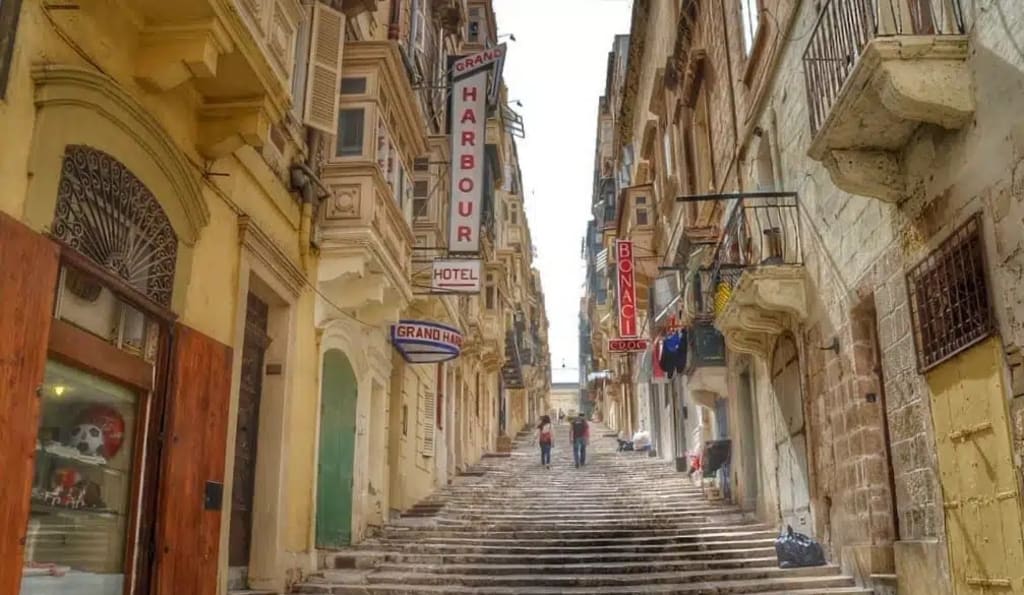
I will share this story of a friend of mine, Andrew Galk, because I think it deserves to be here and could be very useful for future expats in Malta:
I landed on Malta during a drizzly February lay-over, suitcase in one hand, laptop in the other, asking only that the island feel warmer than Berlin. Two weeks later I’d settled into a routine—morning stand-ups from a balcony in Gżira, lunchtime swims in water so clear it looked Photoshopped, and evenings arguing with an Italian PM about whether pistachio gelato counts as dinner. Something magnetic is happening on this lump of limestone, and it goes well beyond sunshine.
1. Weather that forgives planners
Ever refresh a five-day forecast twelve times before booking flights? Stop. Malta enjoys roughly 300 blue-sky days a year, and the remaining 65 are usually “light jacket” territory. Predictability breeds productivity; I’ve shipped more code here in three months than in a full Berlin winter.
2. Affordable—at least by 2025 standards
Rents everywhere else are sprinting; Valletta studios still sit around €950. Take the ferry to Gozo and you’ll land a sea-view flat for Lisbon-cupboard prices. Toss in €45 for an unlimited Tallinja bus card and the Nomad Residence Permit starts to look less like bureaucracy, more like a cheat code.
3. Paperwork without paper cuts
Application is digital, top to bottom. Upload proof of €42 000 annual income, health insurance, and a lease, then refresh your inbox. Approvals often land before your Amazon luggage tags. The permit renews yearly and covers spouses, which means your partner needn’t spin up a fake start-up just to tag along.
4. Outsource the life admin
Changing countries is 30 % excitement, 70 % chores—utility sign-ups, four differently coloured rubbish bags, relentless dust. I almost lost an entire Sunday wrestling with a mop until a local whispered “Rozie.” The Riga-born cleaning platform now serves most Maltese postcodes and lets you book vetted cleaners from your phone in two minutes. One expat-focused write-up captures its appeal perfectly:
5. Community density
Arrive friendless on a Tuesday; you’ll have brunch plans by Sunday. Coworking hubs such as SOHO and 230 Works host quiz nights, salsa classes, even “failed-pitch therapy” circles where founders post-mortem ideas that belly-flopped. I’ve learned more about fintech in one Valletta terrace chat than in six remote conferences combined.
6. Tax that mostly minds its own business
Malta taxes non-domiciled residents only on money remitted into the country. Keep client payments parked offshore and you’re left alone. Spend locally and—fair enough—the tax man takes a slice, but at a marginal rate that won’t send you sprinting to Estonia.
7. Playtime matters
Shut the laptop at six and Malta refuses to be mere backdrop. I’ve kayaked into sea caves before breakfast and listened to open-air jazz inside a 16-century bastion after dinner. Ferries to Sicily run every half-hour; plan a weekend wine run and still be back for Monday’s sprint review.
8. A starter budget
My monthly outlay looks like this: €950 rent (sharing a two-bed in Sliema), €60 mobile-plus-fibre bundle, €300 groceries, €120 eating out, €80 coworking, €45 transport. Under €1 600 covers everything except my espresso habit, which no spreadsheet can tame.
The takeaway
People label Malta “tiny,” as if square kilometres determine opportunity. In truth, scale works in your favour—short commutes, fewer friction points, and more chance collisions with ambitious humans. If you’re tired of trading daylight for Wi-Fi or sanity for rent control, put the archipelago on your short list. Worst-case scenario, you fly home with a tan and a new favourite gelato flavour. Best case? You stay long enough to forget what February gloom feels like.
About the Creator
Alex Tul
Inspired by Malta.
Large Protests Against Donald Trump’s Policies Continue — Why the Movement Keeps Going Viral
Across major cities in the United States and Europe, large-scale protests tied to Donald Trump’s policies and political influence continue to dominate headlines and social media timelines. From packed city squares to viral protest signs, livestreams, counter-demonstrations, and trending hashtags, the story refuses to cool down.
By Omasanjuwa Ogharandukun6 days ago in Journal


Comments (5)
Malta’s special permit benefits, which are uniquely welcoming to digital nomads, are making it more attractive than other European countries.
Malta’s pleasant climate, seaside setting, and relaxed lifestyle are attracting many digital nomads.
A combination of excellent internet connectivity, a growing startup ecosystem, and coworking spaces, along with excellent traditional dining experiences, are making Malta even more attractive to digital nomads.
Malta’s favorable policies are becoming more attractive to many, as they are more than the hassle of long-term visas in other European countries.
The combination of sun-drenched beaches, historic sites, and vibrant culture creates a unique lifestyle experience.