
Why Indoor LED Grow Lights Are Better Than HPS
Indoor LED Grow Lights

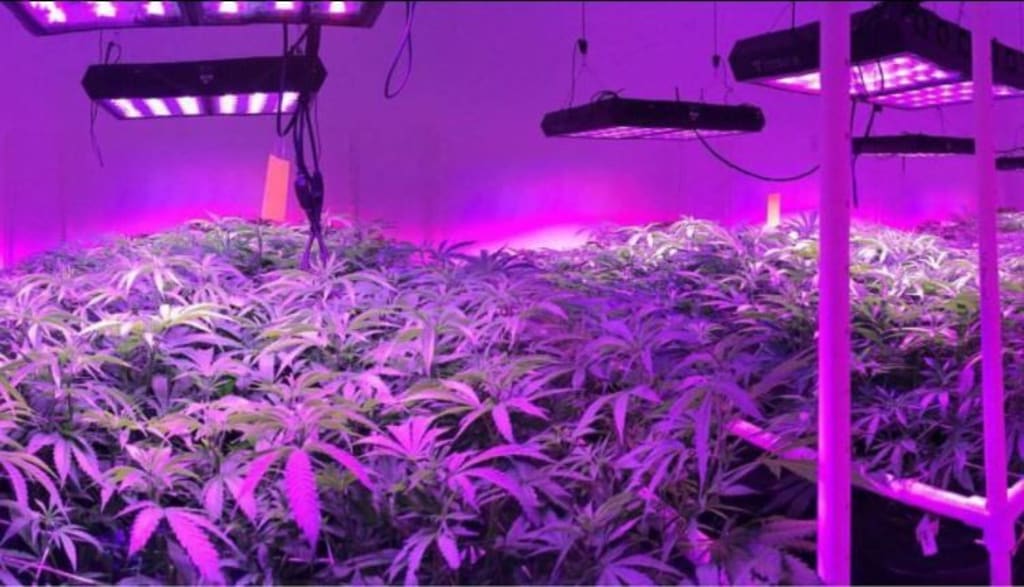
In recent years, there has been a noticeable shift in indoor growing practices, particularly when it comes to the choice of lighting systems. Growers are now moving away from traditional High-Pressure Sodium (HPS) lights in favor of Indoor LED Grow Lights. While both lighting systems have their merits, there are several compelling reasons why LEDs are often the better option for indoor cultivation. In this blog post, we'll delve into the numerous advantages of using Indoor LED Grow Lights over HPS, touching on aspects like energy efficiency, heat control, spectrum customization, and cost savings. We'll also explore how brands like California LightWorks are leading the way in providing high-quality LED grow lights to the market.
1. Introduction
Indoor gardening, especially for growing plants like cannabis, vegetables, and herbs, requires a careful balance of several environmental factors. One of the most important factors is lighting. In the past, HPS lights have been the go-to choice for indoor growers, known for their ability to produce intense light and encourage healthy plant growth. However, in recent years, Indoor LED Grow Lights have become the preferred option, offering several benefits that HPS lights cannot match.
This shift is primarily due to the improvements in LED technology, which have made these lights more energy-efficient, versatile, and cost-effective. In the following sections, we will explore why Indoor LED Grow Lights are now a better choice for many indoor gardeners compared to the traditional HPS lighting.
2. Energy Efficiency: Why LEDs Are the Smart Choice
When it comes to energy efficiency, there is no contest between LED lights and HPS lights. LED technology has made significant strides in reducing energy consumption while maintaining the same or even better levels of light output. Indoor LED Grow Lights use a fraction of the electricity that HPS lights require to deliver the same amount of usable light for plants.
For example, an LED light that draws 200 watts can provide the same amount of light as an HPS system that uses 400 watts. This is a significant difference in energy use and, in turn, reduces electricity bills for indoor growers. With electricity costs continually rising, this energy efficiency is one of the primary reasons why Indoor LED Grow Lights have gained popularity.
Moreover, many high-quality LED systems, like those from California LightWorks, are designed to optimize energy usage even further, ensuring that your indoor garden receives the right amount of light without overburdening your power grid.
3. Heat Management: Keeping Your Grow Environment Stable
One of the biggest challenges with HPS lighting is the amount of heat it generates. High-Pressure Sodium lights operate at extremely high temperatures, which can cause a variety of issues in an indoor garden. Excessive heat can lead to plant stress, leaf burn, and nutrient deficiencies, and it often requires the installation of costly ventilation systems to keep temperatures down.
In contrast, Indoor LED Grow Lights produce very little heat. This not only helps keep your plants in a more stable environment but also reduces the need for additional cooling systems. By maintaining a more controlled temperature range, LEDs help prevent heat-related problems and create optimal growing conditions for plants.
This is especially important in enclosed spaces like grow tents, where controlling the temperature and humidity is crucial to achieving healthy growth. With less heat produced by the lights, you can maintain the right temperature more easily, reducing the risk of damaging your plants.
4. Customizable Light Spectrum for Healthy Plant Growth
Another key advantage of Indoor LED Grow Lights over HPS is their ability to provide a customizable light spectrum. Plants require different light wavelengths for various stages of growth. For example, blue light is essential for vegetative growth, while red light is needed for flowering and fruiting.
With LED grow lights, it's possible to fine-tune the spectrum to meet the specific needs of your plants. Many high-quality LEDs, like those from California LightWorks, come with a full spectrum of light that mimics natural sunlight, ensuring that plants receive the light they need throughout their entire growth cycle.
On the other hand, HPS lights are limited in their spectrum and primarily emit light in the red and orange range. While this can be suitable for flowering plants, it doesn't provide the full spectrum of light that plants need for healthy growth during their vegetative stages.
5. Longevity and Durability of Indoor LED Grow Lights
Indoor LED Grow Lights have a much longer lifespan compared to HPS lights. While HPS bulbs typically last around 10,000 to 20,000 hours, LEDs can last anywhere from 50,000 to 100,000 hours, depending on the quality of the unit. This is a significant difference in longevity, meaning that LED lights need to be replaced far less often.
Not only do Indoor LED Grow Lights last longer, but they also maintain their light output over time. With HPS lights, the light intensity gradually diminishes as the bulb ages, leading to less efficient plant growth. LEDs, however, maintain their performance for a much longer period, making them a more reliable option for growers.
The durability of LEDs also means fewer replacements and less maintenance, which results in less downtime and more consistent results for your plants.
6. Cost Savings: A Better Investment Over Time
While the initial cost of purchasing Indoor LED Grow Lights can be higher than HPS systems, the long-term savings are substantial. As mentioned earlier, LEDs use significantly less energy, which translates to lower electricity bills. The longer lifespan of LEDs means that you will also save money on replacements and maintenance.
In addition, the reduced need for cooling systems, which are often required with HPS lighting, can further reduce your overall operational costs. Over time, the savings from using LED grow lights far outweigh the upfront investment, making them a more cost-effective option in the long run.
With reliable brands like California LightWorks offering high-quality LED systems, you can make an investment that pays off in both performance and savings.
7. Environmental Impact: How LED Grow Lights Are More Eco-Friendly
Another key reason to switch to Indoor LED Grow Lights is their reduced environmental impact. LEDs are much more environmentally friendly compared to HPS lights. They use less energy, contain no hazardous materials like mercury (which is present in HPS bulbs), and produce less heat, which means less cooling is required.
Furthermore, because LEDs last much longer, they generate less waste over time. This makes them a more sustainable option for growers who are conscious about reducing their carbon footprint and minimizing their impact on the environment.
8. Why California LightWorks LED Grow Lights Stand Out
California LightWorks is a leader in the LED grow light industry, providing cutting-edge technology for indoor gardeners. Their lights are designed to deliver optimal plant growth, with features like customizable light spectrums, superior heat management, and energy efficiency.
One of the standout features of California LightWorks LED Grow Lights is their use of advanced technology to create a full spectrum of light that mimics natural sunlight. This ensures that plants receive the right wavelengths for each stage of growth, promoting healthier, more productive crops.
Additionally, California LightWorks products are known for their durability and longevity, meaning growers can rely on them for years of consistent performance.
FAQs
Q: Are Indoor LED Grow Lights suitable for all types of plants?
A: Yes, Indoor LED Grow Lights are versatile and can be used for a wide range of plants, from vegetables to flowers to cannabis. The customizable spectrum ensures that plants receive the right light at each stage of growth.
Q: Do I need to replace my LED grow lights as often as HPS lights?
A: No, LEDs have a much longer lifespan than HPS lights, typically lasting between 50,000 to 100,000 hours, compared to the 10,000 to 20,000 hours of an HPS bulb.
Q: How much money can I save by switching to LED lights?
A: You can save a significant amount on your electricity bill due to the energy efficiency of LED lights. Additionally, the reduced need for cooling systems and less frequent replacements can lead to long-term cost savings.
Conclusion
Indoor LED Grow Lights offer a wide range of benefits that make them the superior choice over traditional HPS lighting. From energy efficiency and heat management to customizable spectrums and long-lasting durability, LEDs provide an optimized growing environment for indoor gardeners. Brands like California LightWorks are helping to lead the charge by offering high-quality LED systems that enhance plant growth while saving growers time, money, and resources.
As the indoor gardening industry continues to evolve, it's clear that Indoor LED Grow Lights are the future of indoor cultivation, offering better performance and more sustainable solutions for growers around the world.
About the Creator
California LightWorks
Illuminate your indoor crops with California LightWorks, the premier choice for the best LED grow lights. Experience optimal growth and maximum yields with our cutting-edge LED technology.
Keep reading
More stories from California LightWorks and writers in Journal and other communities.
Commercial Grow Lights: Innovations in Horticulture
The advancement of commercial grow lights has greatly impacted the horticulture industry, allowing farmers, greenhouse owners, and indoor growers to improve plant growth, optimize energy use, and extend growing seasons. These innovations in lighting technology have paved the way for more efficient and sustainable growing practices, benefiting both the environment and the economy. Among these advancements, brands like California LightWorks have led the way in providing high-quality lighting solutions that cater to the needs of modern horticulture.
By California LightWorksabout a year ago in Journal
Legacy vs Innovation: How the German Automotive Industry is Pivoting in the Age of EVs
Key Takeaways The Germany automotive market is projected to expand at a steady 3.5% annual rate to reach nearly 2 million units by 2033. Domestic manufacturers export roughly 76% of all vehicles produced, which creates a heavy reliance on international economic health. Electric vehicle production is forecast to rebound sharply in 2025 as strict EU emission targets force automakers to ramp up sales. High energy prices and emerging Chinese competitors currently pose the most significant threats to the profitability of legacy German brands. Government policy aims to have 15 million electric vehicles in operation by 2030 to accelerate the transition away from combustion engines.
By Joey Mooreabout 19 hours ago in Journal



Comments
There are no comments for this story
Be the first to respond and start the conversation.