
Commercial Grow Lights: Innovations in Horticulture
Commercial Grow Lights

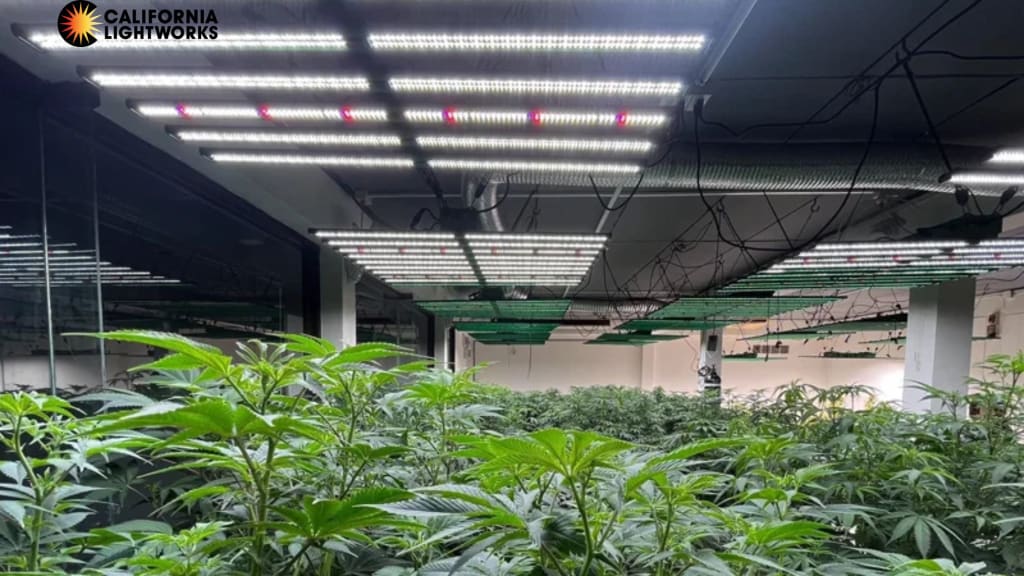
The advancement of commercial grow lights has greatly impacted the horticulture industry, allowing farmers, greenhouse owners, and indoor growers to improve plant growth, optimize energy use, and extend growing seasons. These innovations in lighting technology have paved the way for more efficient and sustainable growing practices, benefiting both the environment and the economy. Among these advancements, brands like California LightWorks have led the way in providing high-quality lighting solutions that cater to the needs of modern horticulture.
What Are Commercial Grow Lights?
Commercial grow lights are artificial lighting systems designed to supplement or replace natural sunlight in environments where it is limited or unavailable. These lights are commonly used in greenhouses, vertical farms, and indoor growing setups. They provide the right spectrum of light that plants need to thrive, promoting photosynthesis, optimal growth, and healthy plant development.
Unlike traditional lighting options, commercial grow lights are engineered to deliver light that mimics sunlight's full spectrum. This helps plants grow at a steady pace, regardless of the time of year or geographical location. The spectrum of light emitted by these systems is crucial because different plants require different light wavelengths for various growth stages.
Types of Commercial Grow Lights
There are several types of commercial grow lights available on the market today. Each type has its specific applications depending on the needs of the plants and the environment. Let’s dive into the most common types of commercial grow lights:
1. High-Pressure Sodium (HPS) Lights
High-Pressure Sodium lights have been a staple in horticulture for many years. These lights emit a warm yellow-orange light that is ideal for flowering and fruiting plants. While they are effective in promoting plant growth, they are less energy-efficient than newer technologies. Additionally, HPS lights emit a lot of heat, which can sometimes require additional cooling systems.
2. Metal Halide (MH) Lights
Metal Halide lights are another traditional lighting option commonly used in commercial growing setups. These lights emit a blue spectrum of light, which is excellent for promoting vegetative growth. Metal Halide lights, however, have similar drawbacks to HPS lights, including heat production and relatively high energy consumption.
3. Light Emitting Diodes (LED) Lights
LED grow lights have emerged as one of the most popular and efficient lighting solutions for horticulture. LED technology provides the ability to fine-tune the light spectrum, ensuring that plants receive the right kind of light for each growth stage. Compared to HPS and MH lights, LEDs are significantly more energy-efficient, produce less heat, and have a longer lifespan. Companies like California LightWorks have pioneered the development of high-quality LED grow lights designed for commercial use.
4. Fluorescent Grow Lights
Fluorescent grow lights are often used in smaller-scale commercial growing operations or for seedlings and young plants. These lights are less intense than LED and HPS lights, making them suitable for plants that require less light. They are energy-efficient but may not support larger plants or high-density growing setups.
Benefits of Commercial Grow Lights
The innovations in commercial grow lights have brought about several benefits that are revolutionizing the way we approach horticulture. Some of the primary advantages include:
1. Energy Efficiency
One of the most significant advantages of commercial grow lights, particularly LED grow lights, is their energy efficiency. Energy consumption is a primary concern for large-scale growers, and the reduced power usage of modern LED grow lights leads to substantial savings on electricity bills. Brands like California LightWorks have focused on developing products that use minimal energy while still providing optimal light for plant growth.
2. Control Over Growing Conditions
Grow lights allow growers to control the light environment for their plants, creating optimal conditions regardless of external weather or seasonal changes. This control over lighting can be particularly beneficial in regions with limited natural sunlight or during the winter months when daylight hours are shorter.
3. Faster Plant Growth and Higher Yields
With the right spectrum of light, plants can grow faster and produce higher yields. Commercial grow lights provide consistent lighting for plants, leading to better development in terms of both size and quality. This is especially important for growers who want to maximize their profits by growing more crops in less time.
4. Improved Sustainability
Sustainability is a growing concern for the horticulture industry. Commercial grow lights help reduce the carbon footprint of farming operations by consuming less energy and producing fewer greenhouse gas emissions. LED grow lights, in particular, have a longer lifespan than traditional lighting, which reduces the amount of waste generated from discarded bulbs.
California LightWorks: A Leader in Commercial Grow Light Innovations
California LightWorks is a well-known brand in the horticulture industry, recognized for its innovative approach to commercial grow lights. They specialize in LED lighting systems designed to meet the needs of large-scale growers. Their products are engineered to be energy-efficient, long-lasting, and capable of providing the full spectrum of light that plants need to thrive.
California LightWorks offers a variety of LED grow lights, each designed for different stages of plant growth. Their flagship products, such as the SolarSystem series, provide advanced features like dimming controls, spectrum adjustments, and remote control capabilities. These innovations allow growers to optimize light exposure for each specific plant and growth stage, ensuring healthier plants and better yields.
Furthermore, California LightWorks focuses on research and development to stay at the forefront of lighting technology. Their commitment to innovation ensures that their products meet the ever-evolving demands of commercial horticulture.
Choosing the Right Commercial Grow Lights
Selecting the right commercial grow light for your setup is crucial to achieving optimal plant growth and energy efficiency. Here are some factors to consider when making your choice:
1. Light Spectrum
Different plants require different light spectra for various growth stages. It is important to choose a grow light that offers a spectrum suited to your specific plants. Full-spectrum LED lights, like those from California LightWorks, are designed to provide a balanced light spectrum for all growth stages, making them a versatile choice for many growers.
2. Light Intensity
The intensity of the light plays a crucial role in plant growth. The more intense the light, the better the plant can photosynthesize and grow. However, too much intensity can harm delicate plants, so it’s essential to find a balance. Adjustable LED lights, such as those offered by California LightWorks, give growers the flexibility to control light intensity based on their needs.
3. Energy Consumption
Energy efficiency is an important consideration for commercial growers, especially in large-scale operations. LEDs are the most energy-efficient option, using less power to produce more light than traditional HPS or MH bulbs. California LightWorks LED systems are designed to be highly energy-efficient, saving growers significant amounts on their electricity bills.
4. Heat Output
Excessive heat can damage plants and increase the need for cooling systems. LED grow lights produce less heat than HPS or MH lights, making them a more suitable option for controlled environments. California LightWorks LED lights are designed to stay cool, reducing the need for additional cooling equipment.
FAQs
1. How long do commercial LED grow lights last?
Commercial LED grow lights typically last between 50,000 to 100,000 hours, depending on the brand and quality. This longevity makes LEDs a cost-effective solution in the long run.
2. Can I use commercial grow lights for all types of plants?
Yes, commercial grow lights can be used for a wide variety of plants, from leafy greens to fruiting plants. Choosing the right spectrum for your specific plants is essential.
3. Are LED grow lights more expensive than traditional lights?
While LED grow lights may have a higher upfront cost, their energy efficiency, long lifespan, and lower maintenance make them a more cost-effective choice over time.
4. How do I know how many grow lights I need for my space?
The number of grow lights required depends on the size of your growing area, the type of plants, and the light intensity needed. It’s best to consult with lighting experts or use online calculators to determine the right number.
Conclusion
Innovations in commercial grow lights have significantly changed the landscape of horticulture. With the growing demand for more sustainable and efficient solutions, brands like California LightWorks are paving the way for energy-efficient and high-performance grow lights. By selecting the right commercial grow lights, growers can optimize their crop production, improve plant health, and contribute to a more sustainable future in agriculture.
About the Creator
California LightWorks
Illuminate your indoor crops with California LightWorks, the premier choice for the best LED grow lights. Experience optimal growth and maximum yields with our cutting-edge LED technology.
Keep reading
More stories from California LightWorks and writers in Journal and other communities.
Best LED Grow Lights for Indoor Plant Care
Indoor gardening has emerged as increasingly more popular, and LED Grow Lights at the moment are a staple for plant enthusiasts. With their electricity performance, long lifespan, and ability to copy herbal daylight, those lights are remodeling the way we nurture indoor greenery. Choosing the proper LED Grow Lights can dramatically affect your vegetation’s growth, making it important to make a knowledgeable decision.
By California LightWorksabout a year ago in Journal



Comments
There are no comments for this story
Be the first to respond and start the conversation.