
Why Hotel Receptionists Often Say "No Rooms Available" to Late-Night Couples: The Real Reasons from Industry Veterans
Unpacking the Truth Behind Hotel Room Availability for Couples Arriving Late at Night

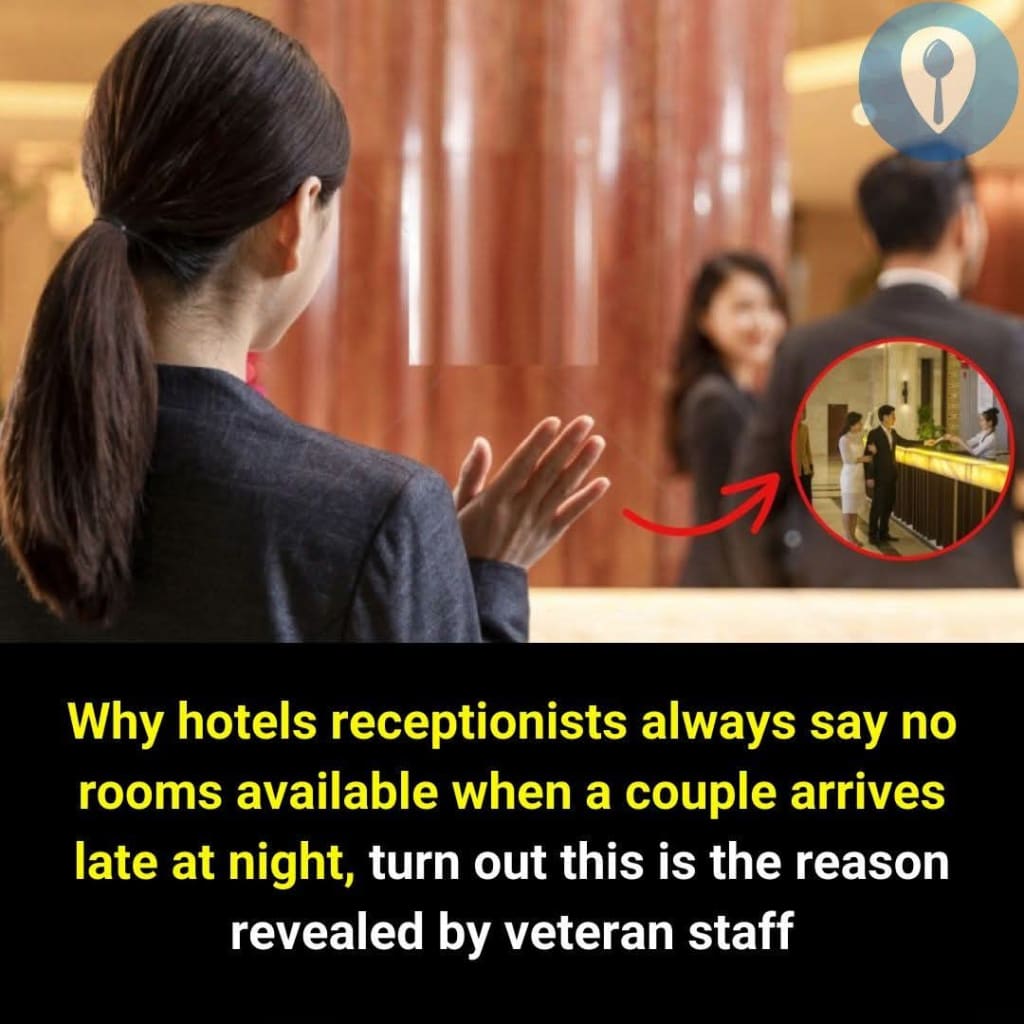
Have you ever experienced the frustration of arriving at a hotel late at night, only to be told by the receptionist that there are no rooms available—despite the hotel not seeming full? This scenario is surprisingly common for couples, and it often leaves guests puzzled or even suspicious. However, the reasons behind this practice are rooted in hotel operations, safety protocols, and industry realities rather than personal bias or discrimination. Here’s an in-depth look at why this happens, as revealed by veteran hotel staff and hospitality experts.
The Reality of Overbooking and Room Allocation
Hotels operate on a business model that aims for maximum occupancy. To achieve this, many properties routinely overbook rooms by a small percentage, usually around 5%. This strategy is based on the expectation of cancellations, no-shows, or early departures, which are frequent occurrences in the industry. Overbooking helps ensure that the hotel remains as full as possible, which is essential for profitability.
However, this system is not foolproof. Occasionally, all booked guests do arrive, or there are fewer cancellations than anticipated. When this happens, the hotel may genuinely run out of available rooms, especially at peak times or late at night when cleaning staff are not present to turn over rooms quickly. In these situations, receptionists are left with no choice but to inform walk-in guests or late arrivals that there are no rooms available—even if it appears otherwise.
Room Maintenance, Cleaning, and Special Requests
Another common reason for unavailability is that not all rooms are ready for occupancy at any given moment. Rooms may be out of service due to maintenance issues, deep cleaning, or because a previous guest checked out late, leaving insufficient time for housekeeping to prepare the room. Hotels also sometimes hold back certain rooms for VIPs or guests with special requests, which means those rooms are not available for general walk-ins or late arrivals.
Safety, Security, and Guest Policies
Safety and security are paramount in the hospitality industry, particularly during late-night hours. Some hotels implement strict policies on accepting walk-in guests or couples arriving late at night to prevent potential issues, such as disturbances, unauthorized visitors, or even criminal activity. Receptionists are trained to be cautious, especially when dealing with guests who have not booked in advance or whose intentions are unclear. This is not necessarily a reflection on the guests themselves but rather a precautionary measure to protect all guests and staff.
In some regions or specific hotels, there may be additional restrictions on renting rooms to couples without proper identification or documentation. This is often due to local regulations, cultural norms, or past experiences with problematic guests. If a couple cannot provide the necessary paperwork, the receptionist may be instructed to deny them a room, regardless of availability.
The Role of Guaranteed and Non-Guaranteed Bookings
Hotels differentiate between guaranteed and non-guaranteed bookings. A guaranteed booking is secured with a credit card or deposit, ensuring that the room is held for the guest even if they arrive late. Non-guaranteed bookings, on the other hand, may be released if the guest does not check in by a certain time—often 4:00 PM or 6:00 PM. After this time, the hotel may resell the room to walk-ins or other guests.
If a couple arrives late at night without a guaranteed booking, the hotel may have already allocated their last available rooms to others or may be holding remaining rooms for guests who have guaranteed their reservations. This is a standard industry practice and is not targeted specifically at couples but applies to all late arrivals without confirmed bookings.
The “Bumping” or “Walking” Policy
When hotels do run out of rooms, they may have arrangements with nearby properties to accommodate overflow guests. This practice, known as “bumping” or “walking,” involves moving guests to another hotel of similar standard and price. While this is usually reserved for guests with bookings, walk-ins or late-night arrivals may be directed elsewhere if the hotel is at capacity. The decision on who gets “bumped” is typically based on factors such as booking type, length of stay, and guest status.
Perceptions vs. Reality
For guests, especially couples arriving late at night, being told there are no rooms available can feel personal or unfair. However, it’s important to recognize that receptionists are following established protocols designed to balance guest satisfaction, safety, and operational efficiency. These decisions are rarely arbitrary and are influenced by a complex mix of business strategy, safety concerns, and logistical realities.
How to Avoid Disappointment
If you’re planning to arrive at a hotel late at night, especially as a couple, here are some tips to avoid being turned away:
Book in Advance: Always make a reservation and secure it with a credit card or deposit to guarantee your room.
Confirm Your Booking: Call the hotel on the day of arrival to confirm your reservation and estimated arrival time.
Provide Proper Documentation: Be prepared to show valid identification and any required paperwork, especially in regions with strict guest policies.
Communicate Special Requests: If you have specific needs or will be arriving late, inform the hotel in advance so they can make appropriate arrangements.
Conclusion
The next time you hear a hotel receptionist say, “No rooms available,” when you arrive late at night, remember that the reasons are often rooted in overbooking strategies, maintenance needs, safety protocols, and booking policies—not personal bias. By understanding these factors and planning ahead, you can ensure a smoother and more enjoyable hotel experience, no matter what time you arrive.
About the Creator
Keep reading
More stories from DigitalAddi and writers in Journal and other communities.
At Airport Security: A Pregnant Woman Was Stopped by Police Dogs
In an age of heightened security and advanced screening measures, airports have become hubs of vigilance. While these measures are in place to ensure safety, they can sometimes lead to surprising and emotionally charged encounters. One such incident recently caught public attention when a visibly pregnant woman was stopped at airport security—not by a metal detector or scanner, but by police dogs.
By DigitalAddi8 months ago in Journal
Trump Administration Announces Next Phase of Gaza Peace Plan
The Trump administration has announced the next phase of its Gaza peace plan, marking a new step in efforts to bring stability to a region that has faced months of conflict, destruction, and humanitarian suffering. This second phase, often called “Phase Two,” focuses on post-war governance, security, and rebuilding Gaza after intense fighting between Israel and Hamas.
By sehzeen fatima5 days ago in Journal
How to Succeed at the Benson Directory®
Congratulations and welcome to the Benson Directory® employee #22391! As our newest call handler, you will have the privilege of speaking with dozens of unique and interesting people on a daily basis as well as the opportunity to earn bonuses for high performance. Contained within this handbook you will find a set of ease to follow instructions designed to help you settle in to your new role and begin paving the way to success.
By S. A. Crawford2 days ago in Fiction




Comments
There are no comments for this story
Be the first to respond and start the conversation.