
Why Federal Government Shutdowns Are Trending in the USA Right Now | Causes & Impacts Explained
What a government shutdown means, why it happens, and how it affects daily life.

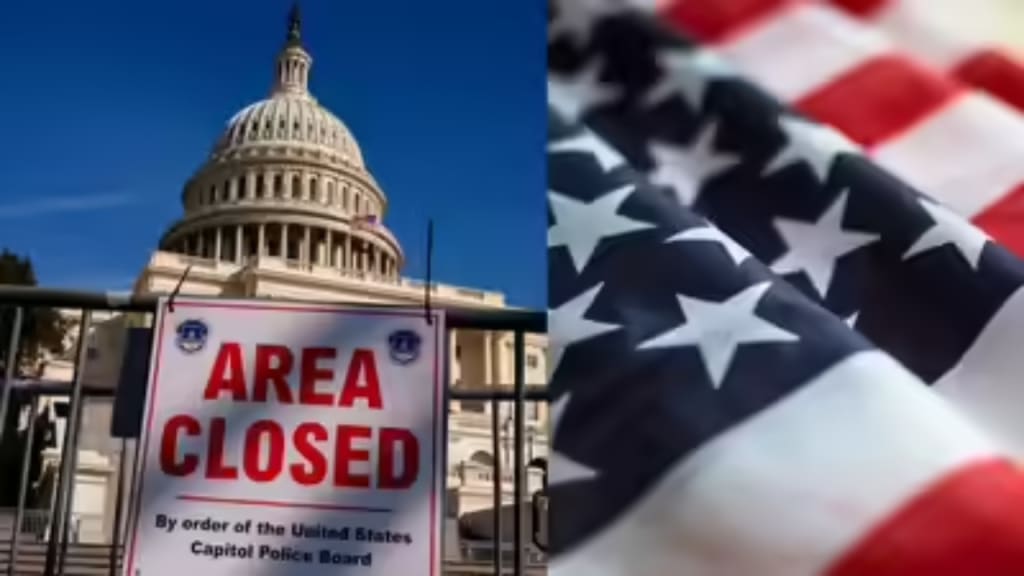
A federal government shutdown happens when lawmakers in the United States fail to approve funding on time. Without an approved budget or temporary funding bill, many government services are forced to stop or slow down. This issue has once again become a major topic across news channels, social media platforms, and political discussions. People are worried because a shutdown affects not just government workers but also ordinary citizens, businesses, federal programs, and the national economy.
The reason this topic is trending in the USA is the rising tension in Congress over budget negotiations. Lawmakers often disagree on spending levels, policy priorities, and funding for different departments. When these disagreements reach a deadlock, the government runs out of legal authority to spend money. This causes a shutdown, which can last for days or even weeks depending on how quickly an agreement is reached. The public, federal employees, and media outlets closely follow these discussions, which is why it gains so much attention.
A government shutdown is not just a political dispute. It affects millions of people directly and indirectly. Federal employees may be furloughed or required to work without pay. Families that rely on government support worry about delays in benefits. Travelers experience issues with passport processing and airport security wait times. Businesses that work with the government face financial uncertainty. These real-world consequences make the topic highly relevant and widely discussed.
Shutdowns are not new in America. The United States has experienced several shutdowns in the past few decades. Each one has had different causes, durations, and impacts. However, recent political polarization has made it more difficult for lawmakers to compromise quickly. The media also plays a major role in keeping the issue in the spotlight. As the deadlines approach, people start searching for updates, which is why the topic begins trending online and across news outlets.
Many people also search for information to understand what will stop during a shutdown and what will continue. Essential services like national security, air traffic control, and emergency medical care continue. However, many other departments operate with reduced staff or close temporarily. The uncertainty around timing and impact also creates anxiety and confusion among the general public. This leads to more conversations and social media activity on the topic.
A major factor behind current trends is the political divide between the House of Representatives and the Senate. When one party controls one chamber and the other party controls the second, passing a funding bill becomes more complicated. Each side tries to push its priorities, such as defense spending, social programs, immigration policy, or border security. If no agreement is reached by the deadline, a shutdown becomes unavoidable, which triggers nationwide concern.
Another reason the shutdown issue trends is the economic impact. Even a short shutdown can cost billions of dollars. Businesses that rely on government contracts may face delayed payments. Federal workers may struggle to cover basic expenses without paychecks. Tourism and transportation industries can also experience disruptions. Economists and financial analysts discuss these risks publicly, which adds to the attention the topic receives.
In today’s digital age, social media plays a major role in spreading awareness. Platforms like Twitter, Facebook, TikTok, and news websites quickly amplify discussions. Government employees share their concerns and personal stories. Influencers and commentators debate the political drama. News headlines highlight the latest statements from lawmakers. All of this drives the topic higher on trending lists across platforms.
The public response to shutdowns is also shaped by past experiences. For example, the 2018–2019 shutdown lasted 35 days and was one of the longest in history. Many Americans remember the stress, financial difficulties, and service delays it caused. So when new reports mention the possibility of another shutdown, people become alert and want to stay informed. This reaction contributes to rising search trends and public interest.
Another reason the topic gains traction is the uncertainty it creates for federal programs. Agencies such as the Environmental Protection Agency, the Department of Education, and the National Parks Service may have to pause nonessential operations. Public parks may close. Research projects may halt. Small businesses waiting for loans or permits could face delays. Families and communities that depend on federal programs worry about interruptions in support.
The topic also trends because major media outlets cover every stage of the debate. Political leaders issue statements, hold press conferences, and criticize each other. Journalists analyze possible outcomes and interview experts. Financial networks discuss how markets might react. This constant coverage keeps the topic in public discussion and search results.
Public interest increases further when deadlines approach. People want to know if their tax refunds, social security payments, or military salaries will be affected. Travelers want to know if passport applications will be delayed. Students and researchers worry about federal grants. The closer the deadline, the more anxious and curious the public becomes, leading to more online searches and trending discussions.
Shutdowns also lead to legal and logistical complications. Without approved funding, federal departments must decide which employees are “essential” and which are “nonessential.” Those deemed essential must continue working without pay until the funding bill passes. Those labeled nonessential are sent home temporarily. This process adds stress and confusion for workers and families, making the issue even more important to follow.
Political strategy is another part of why shutdowns trend. Lawmakers may use the threat of a shutdown as a negotiation tool. Each side tries to apply pressure to the other to gain leverage. Political commentators and analysts dissect these strategies, which draws in audiences. The issue becomes not only a matter of policy but also a battle of influence and public opinion.
Even those not directly affected can feel the ripple effects. For example, delays in inspections, licensing, or processing can impact businesses and individuals in many industries. People become interested in understanding how long a shutdown might last and what inconveniences could arise. This curiosity drives conversations and keeps the topic trending.
International attention also plays a role. Other countries monitor U.S. political and economic developments closely. When a potential shutdown approaches, international media report on it, and global audiences react. Investors, foreign governments, and business partners observe the situation for signs of instability. The global interest adds another layer to the topic’s relevance.
Finally, the issue trends because it represents broader concerns about governance, politics, and national priorities. Many citizens question why shutdowns continue to happen and what can be done to prevent them. They worry about trust in elected officials and the effectiveness of the political system. These deeper concerns lead to articles, discussions, debates, and social media posts that keep the topic prominent.
About the Creator
The goals I did not achieve
Every writing goal I made for the year is a wash. It has been this way for a while, but I think it's important to be open about my failures and the reality of how life can get in the way. This is especially true considering the several times I have posted on Vocal about my writing goals, how I was changing my approach, and where I was hoping to be for the upcoming year. I will probably do that again in a couple months, but for now, it is time to acknowledge where I am today.
By Kay Husnick23 days ago in Journal
What I Noticed When Light Stopped Feeling Sharp
I never would have described the light around me as a problem. It was bright enough. Clean. Modern. Exactly what you expect in a well designed indoor space. If someone had asked me whether the lighting felt uncomfortable, I probably would have said no.
By illumipure2 days ago in Journal




Comments
There are no comments for this story
Be the first to respond and start the conversation.