
Why Experts Say to Stop Rinsing Your Mouth Right After Brushing
Dentist Aubur
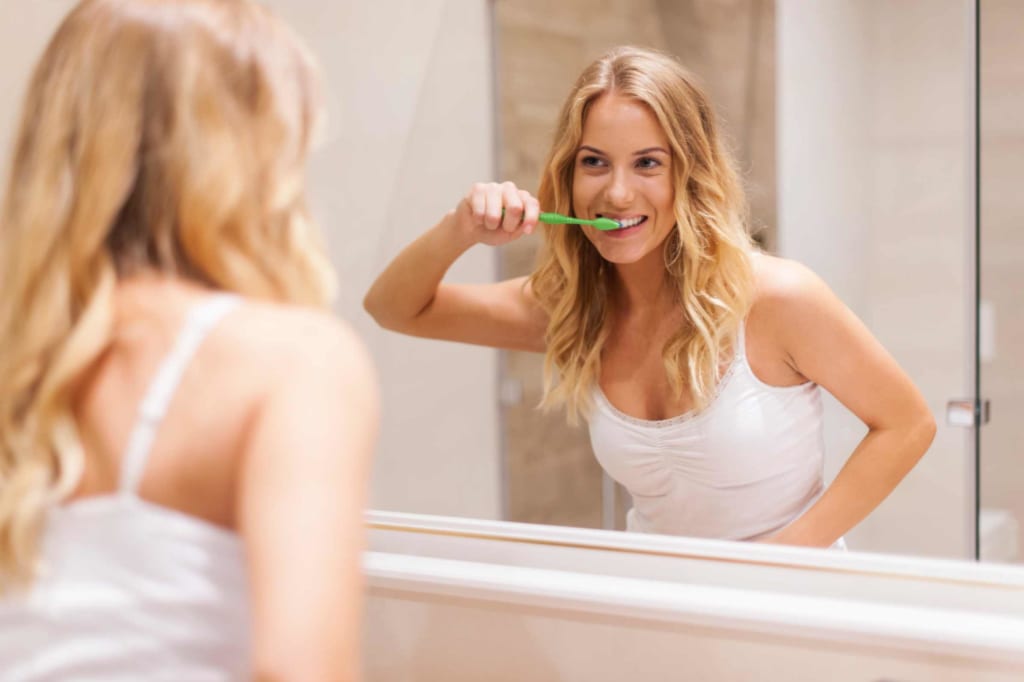
Brushing your teeth twice a day is a cornerstone of good oral hygiene, but did you know that rinsing your mouth immediately after brushing could be undermining your efforts? Dental experts are increasingly advising against this common habit. The reason is simple: rinsing right after brushing washes away the concentrated fluoride from your toothpaste, reducing its effectiveness in protecting your teeth. Understanding why it’s beneficial to skip the rinse can help you maximize the protective benefits of fluoride and improve your overall dental health. In this article, we’ll delve into the expert advice on why you should stop rinsing after brushing and how this small change can make a significant difference in your oral hygiene routine.
Why You Should Stop Rinsing After Brushing
The Role of Fluoride in Toothpaste
Fluoride is a key ingredient in toothpaste that helps strengthen tooth enamel and prevent cavities. When you brush your teeth, fluoride forms a protective barrier on the enamel, making it more resistant to acid attacks from bacteria and sugars in your mouth. This barrier is most effective when it remains undisturbed for a period of time after brushing.
What Happens When You Rinse
Rinsing your mouth with water or mouthwash immediately after brushing washes away the concentrated fluoride coating your teeth. This diminishes the fluoride’s ability to protect your enamel, reducing the overall effectiveness of your brushing routine. Essentially, you’re washing away the very ingredient that’s meant to fortify your teeth against decay.
Benefits of Not Rinsing
By skipping the rinse after brushing, you allow the fluoride to stay on your teeth longer, enhancing its protective benefits. This small change can lead to:
- Stronger enamel: The prolonged presence of fluoride strengthens your enamel, making it more resistant to cavities.
- Better cavity prevention: Increased fluoride exposure reduces the likelihood of developing cavities, promoting overall dental health.
- Enhanced protection: Fluoride continues to work on your teeth even after you finish brushing, providing ongoing protection throughout the day or night.
Alternatives to Rinsing
If you find it difficult to break the habit of rinsing, consider these alternatives:
- Spit, don’t rinse: After brushing, simply spit out the excess toothpaste without using water.
- Use a fluoride mouthwash later: If you prefer to use mouthwash, wait at least 30 minutes after brushing to allow the fluoride to work, and choose a mouthwash that contains fluoride to boost its benefits.
By understanding the reasons behind the advice to stop rinsing after brushing, you can make a small but significant change to your oral hygiene routine that enhances the protective effects of fluoride and supports long-term dental health.
How to Adjust Your Brushing Routine
Step-by-Step Guide to Optimal Brushing
To fully benefit from avoiding the rinse, it’s important to adopt the correct brushing technique and timing. Here’s how you can adjust your brushing routine for better results:
- Brush for Two Minutes: Use a fluoride toothpaste and brush for a full two minutes to ensure all surfaces of your teeth are cleaned thoroughly. A timer or electric toothbrush with a built-in timer can help you keep track.
- Use a Soft-Bristled Toothbrush: Choose a soft-bristled toothbrush to gently clean your teeth and gums without causing damage. Replace your toothbrush every three to four months or sooner if the bristles become frayed.
- Spit, Don’t Rinse: After brushing, spit out the excess toothpaste without rinsing your mouth with water. This allows the fluoride to remain on your teeth, providing continuous protection.
Avoid Eating or Drinking Immediately: Try to avoid eating or drinking for at least 30 minutes after brushing. This helps maximize the fluoride’s effectiveness as it continues to work on strengthening your enamel.
Incorporate Flossing: Floss daily to remove plaque and food particles between your teeth and along the gumline. This complements your brushing routine and enhances overall oral hygiene.
Adjusting Your Mouthwash Routine
If you use mouthwash, consider the following adjustments:
- Wait Before Using Mouthwash: Wait at least 30 minutes after brushing before using a fluoride mouthwash. This ensures that the fluoride from your toothpaste has sufficient time to act on your teeth.
- Choose Fluoride Mouthwash: Select a mouthwash that contains fluoride to further reinforce the protective benefits you gain from brushing.
- Follow Instructions: Use mouthwash according to the manufacturer’s instructions, typically swishing for 30 seconds to a minute before spitting it out.
Maintaining Consistency
Consistency is key to achieving and maintaining optimal oral health. Incorporate these adjustments into your daily routine and monitor any changes in your oral health. Regular dental check-ups will also help ensure that your brushing and flossing techniques are effective and that you’re receiving the full benefits of your oral hygiene practices.
By making these adjustments to your brushing and rinsing routine, you can enhance the effectiveness of fluoride, improve your oral health, and maintain a healthier, more resilient smile.
FAQs:
1. What are the benefits of not rinsing after brushing my teeth?
Not rinsing after brushing allows the fluoride from your toothpaste to stay on your teeth longer, which enhances its ability to strengthen enamel and prevent cavities. This can lead to better overall dental health and increased protection against decay.
2. How long should I wait before eating or drinking after brushing my teeth?
It is recommended to wait at least 30 minutes after brushing your teeth before eating or drinking. This allows the fluoride to fully benefit your enamel without being washed away.
3. Can I still use mouthwash if I don’t rinse after brushing?
Yes, you can still use mouthwash, but it’s best to wait at least 30 minutes after brushing to use it. This ensures that the fluoride from your toothpaste has time to work effectively on your teeth.
4. Is it okay to rinse with water immediately after brushing if I don’t like the taste of toothpaste?
While it’s better to avoid rinsing with water immediately after brushing to keep fluoride on your teeth, you can try using a small amount of mouthwash or a fluoride rinse instead. Alternatively, brushing with a toothpaste flavor you prefer might also help.
5. How can I ensure I’m getting the most benefit from my fluoride toothpaste?
To maximize the benefits of fluoride toothpaste, brush for two minutes, use a soft-bristled toothbrush, and avoid rinsing with water immediately after brushing. Additionally, incorporate flossing into your routine and follow up with fluoride mouthwash after waiting 30 minutes if desired.
About the Creator
Keep reading
More stories from Daniel Michael and writers in Journal and other communities.
How Dentists in Auburn Can Help with Preventive Dental Care
Preventive dental care is the cornerstone of maintaining a healthy smile and overall well-being. In Auburn, dentists are dedicated to helping patients achieve optimal oral health through comprehensive preventive care services. By focusing on early detection and proactive treatments, these dental professionals work to prevent common issues such as cavities, gum disease, and tooth decay before they become serious problems. In this guide, we’ll explore how dentists in Auburn can assist you with preventive dental care, highlighting the various services they offer and the benefits of maintaining a regular dental care routine. Whether you’re new to the area or looking for ways to improve your dental health, Auburn’s skilled dentists are here to help.
By Daniel Michaelabout a year ago in Writers
Affection and Healing for Yourself
During the night of the last quarter moon, I gathered my ritual supplies. I carefully handled the chunk of black tourmaline that would protect me from your overall negative and narcissistic energy. I carefully walked the house with my stick of selenite in hand, asking the universe to cleanse our working space.
By Alisha Wilkins ✒️🦋🖋️5 days ago in Fiction


Comments
There are no comments for this story
Be the first to respond and start the conversation.