
Why Dopamine Is Essential for Smooth, Controlled Movement
Manvir Bhatia
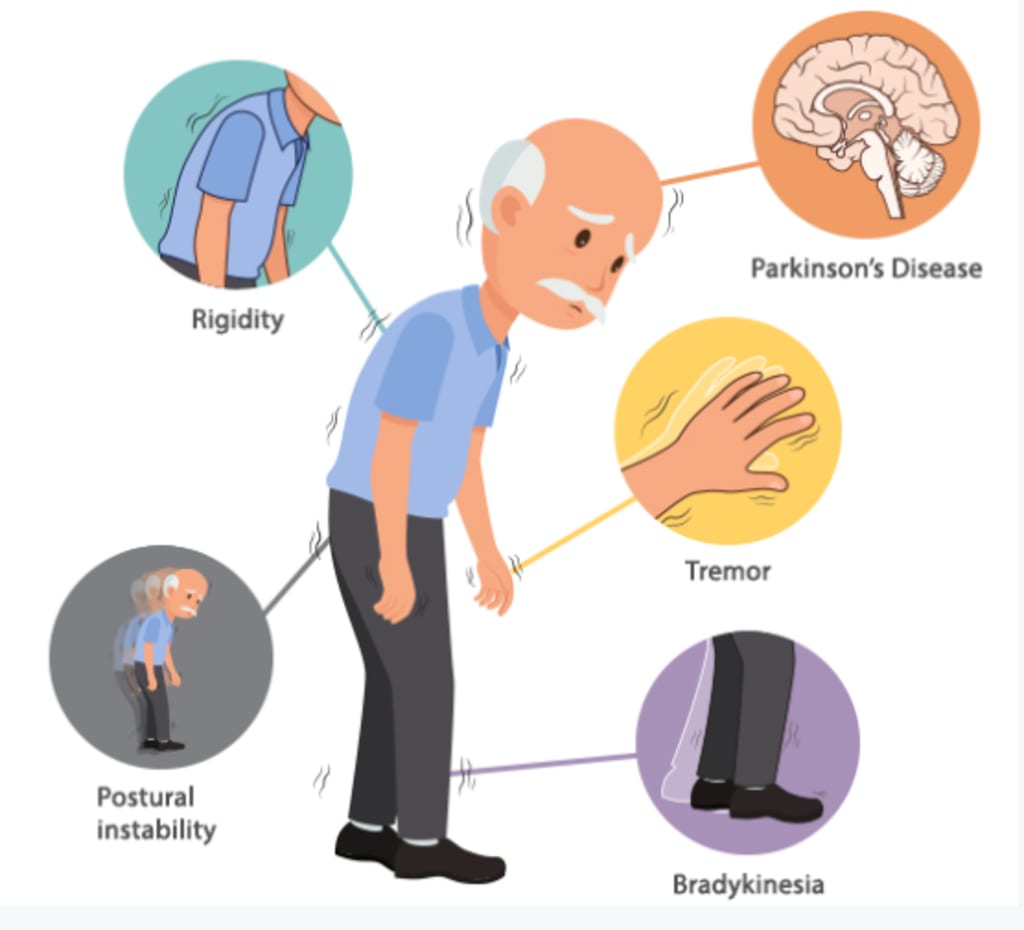
Dopamine is a chemical in your brain that plays a major role in controlling movement. It’s part of the brain’s reward system, but it’s also critical for keeping your body moving smoothly. When dopamine levels are too low or not functioning correctly, it can lead to movement problems and motor disorders. This is why dopamine is so important for smooth, controlled movement.
What Is Dopamine and Why Does It Matter?
Dopamine is a neurotransmitter, a chemical that helps transmit signals in the brain. It helps control many of the body’s functions, especially movement. Dopamine is produced in a part of the brain called the substantia nigra. This area sends signals to other parts of the brain that help control your muscles and movement. Without dopamine, the brain struggles to send those signals properly, leading to movement issues.
How Dopamine Affects Movement
When dopamine levels are normal, your body can move smoothly. Your muscles work together in a coordinated way. This allows you to perform tasks like walking, writing, or even just picking up a cup. Dopamine helps control the speed, strength, and timing of these movements. It also helps your body adjust movements when something changes, like avoiding an obstacle while walking.
If dopamine levels drop, this process breaks down. The signals between the brain and muscles become less efficient, causing jerky, slow, or stiff movements. This is what happens in diseases like Parkinson’s disease, where dopamine-producing cells in the brain start dying off.
The Role of Dopamine in Parkinson’s Disease
Parkinson’s disease is one of the most well-known conditions related to dopamine. In Parkinson’s, the brain’s ability to produce dopamine decreases. This leads to the hallmark symptoms of the disease: tremors, slow movement (bradykinesia), stiffness, and balance problems. Because the brain no longer gets enough dopamine to control movement, simple tasks can become difficult.
While there is no cure for Parkinson’s, doctors use medications like levodopa to increase dopamine levels in the brain. Levodopa is a precursor to dopamine, which the brain can use to create more dopamine. These treatments help improve movement and reduce symptoms, but they don’t stop the progression of the disease.
How Low Dopamine Affects Other Motor Diseases
It’s not just Parkinson’s disease that’s linked to dopamine. Other movement disorders, such as Huntington’s disease and certain forms of dystonia, are also connected to problems with dopamine regulation. These conditions can cause involuntary movements, muscle stiffness, and a loss of coordination.
In these disorders, dopamine dysfunction is often just one part of a more complex problem. Other brain chemicals and parts of the brain are involved as well. But dopamine is a key player when it comes to movement problems in these diseases.
Improving Dopamine Function
The good news is that there are things you can do to support dopamine production and function. While medication is often necessary for conditions like Parkinson’s disease, lifestyle changes can also make a difference.
For example, regular exercise is one of the best ways to help keep dopamine levels in check. Physical activity stimulates dopamine release and helps improve brain function. Diet can also play a role. Foods rich in antioxidants, omega-3 fatty acids, and amino acids (like tyrosine) may support dopamine production.
Additionally, some research suggests that activities like meditation and getting enough sleep can also help maintain healthy dopamine levels. While these methods may not completely restore dopamine in cases of neurodegenerative disease, they can still provide support.
Conclusion
Dopamine is essential for smooth, controlled movement. It helps your brain send the right signals to your muscles, so you can perform tasks without difficulty. When dopamine levels drop, it can lead to problems with motor control, as seen in conditions like Parkinson’s disease. Though there’s no cure for diseases that affect dopamine production, treatments and lifestyle changes can help manage symptoms and improve movement.
Keeping dopamine levels healthy is important for everyone, not just those with movement disorders. Simple steps like exercising, eating well, and getting enough rest can support your brain’s ability to function smoothly, keeping your body in motion.
About the Creator
Keep reading
More stories from Dr manvir bhatia and writers in Journal and other communities.
Your Brain on No Sleep: What a Neurologist Wants You to Know
Lack of sleep isn’t just about feeling tired. It messes with your brain in ways you might not realize. When you don’t get enough rest, your brain starts to struggle with basic tasks, and long-term sleep deprivation can even lead to serious health problems.
By Dr manvir bhatia9 months ago in Journal
The Day a Security Camera Proved Its True Value to Me
I’ve worked around security systems for a long time, but there was one day that completely changed how I personally viewed cameras, not as equipment, not as a feature on a sales quote, but as something much more meaningful. It wasn’t about technology specs, resolution, or apps. It was about trust, awareness, and peace of mind in real life.
By shaun hossain 4 days ago in Journal


Comments
There are no comments for this story
Be the first to respond and start the conversation.