
Why Comfortable Buildings Do Not Feel Noticeable at All
How the best indoor environments disappear into the background instead of demanding attention.


Comfortable buildings should feel impressive.
Bright lights. Powerful air systems. Crisp temperature control. Something obvious that told you the space was working hard to support you.
What I eventually realized is that truly comfortable buildings do not announce themselves at all.
They fade.
Discomfort Is Loud. Comfort Is Quiet
Most people notice buildings only when something feels wrong.
The room feels stuffy. The lighting feels sharp. The temperature never quite settles. You find yourself shifting in your chair, rubbing your eyes, taking deeper breaths than usual.
These sensations pull attention away from whatever you are trying to do.
Comfortable buildings do the opposite.
They remove friction so completely that there is nothing left to notice.
The Body Is Always Evaluating the Environment
Even when the mind is focused elsewhere, the body is constantly scanning.
Is the air easy to breathe
Is the lighting gentle on the eyes
Is the temperature stable
Is the nervous system able to relax
When any of these answers is no, the body compensates automatically. Muscles tense slightly. Breathing patterns adjust. Alertness increases.
That compensation costs energy.
When the environment supports the body, no compensation is needed.
The space disappears.
Why We Mistake Stimulation for Comfort
Many modern buildings rely on stimulation.
Bright static lighting to keep people alert. Strong airflow to feel fresh. Aggressive cooling to maintain temperature.
These strategies can feel effective at first.
But stimulation is not the same as support.
Stimulation asks the nervous system to stay engaged. Over time, that engagement becomes fatigue.
Comfortable buildings reduce stimulation instead of increasing it.
Lighting That Does Not Ask for Attention
Lighting is one of the clearest examples.
Harsh or imbalanced lighting makes itself known. Eyes strain. Blink rate changes. Focus feels effortful.
Supportive lighting does not draw attention.
You still see clearly. Tasks remain easy. The difference is how little effort vision requires.
When lighting respects human biology, the eyes relax and the brain stops correcting.
Nothing stands out.
Air That Feels Normal Is Doing Its Job
People often describe good air as fresh.
In reality, truly supportive air does not feel fresh. It feels normal.
Breathing stays steady. There is no urge to take deeper breaths. The chest and shoulders remain relaxed.
Carbon dioxide levels stay balanced. Particles are managed before they accumulate. The nervous system does not need to stay alert.
The air disappears into the background.
Stability Is More Important Than Perfection
Comfortable buildings prioritize stability.
Not perfect temperature at every moment, but gentle consistency. Not aggressive air changes, but smooth adjustments. Not dramatic lighting shifts, but gradual transitions.
The body thrives on predictability.
Sudden changes require response. Stable environments allow regulation.
When stability is present, the body settles.
Why Comfortable Buildings Feel Boring
There is a reason comfortable buildings rarely stand out.
They are not exciting.
They do not create strong sensory impressions. They do not stimulate. They do not impress in obvious ways.
Instead, they allow people to focus on their work, conversations, recovery, or learning without interference.
The building stops competing for attention.
The Absence of Fatigue Is the Real Signal
One of the clearest signs of a comfortable building is how you feel when you leave.
Not energized. Not overstimulated.
Just intact.
Energy remains for the rest of the day. Eyes do not feel heavy. The mind does not feel crowded. Emotional responses feel balanced.
Comfortable buildings preserve what you bring into them.
Why This Matters More Than Design Trends
Design often focuses on aesthetics.
While visual appeal matters, comfort is not created by appearance alone. It is created by how well a space aligns with human physiology.
Lighting that supports circadian rhythm
Air quality that reduces nervous system load
Environmental control that adapts to people
These elements rarely photograph well.
But they determine how people feel hours later.
Comfort Is a Biological Experience
Comfort is not a feeling you notice.
It is the absence of feeling something wrong.
When buildings support human biology, the body stops sending signals for attention. The nervous system relaxes. Cognitive effort decreases.
People function better without knowing why.
That invisibility is the success.
Conclusion
Comfortable buildings do not feel noticeable because they are not asking anything from the body.
They do not demand adaptation. They do not create friction. They do not stimulate unnecessarily.
They simply allow people to exist, think, breathe, and move without resistance.
The most supportive environments are not the ones you remember.
They are the ones you forget you were ever in.
About the Creator
illumipure
Sharing insights on indoor air quality, sustainable lighting, and healthier built environments. Here to help people understand the science behind cleaner indoor spaces.
Keep reading
More stories from illumipure and writers in Journal and other communities.
The Moment I Realized Air Quality Was Affecting My Mood
For a long time, I thought my mood changes were personal. If I felt impatient, distracted, or oddly tense, I assumed it was stress. Too much work. Not enough rest. A bad night of sleep. I tried to fix it the usual ways. More coffee. Short walks. Mental resets. Deep breaths.
By illumipurea day ago in Journal
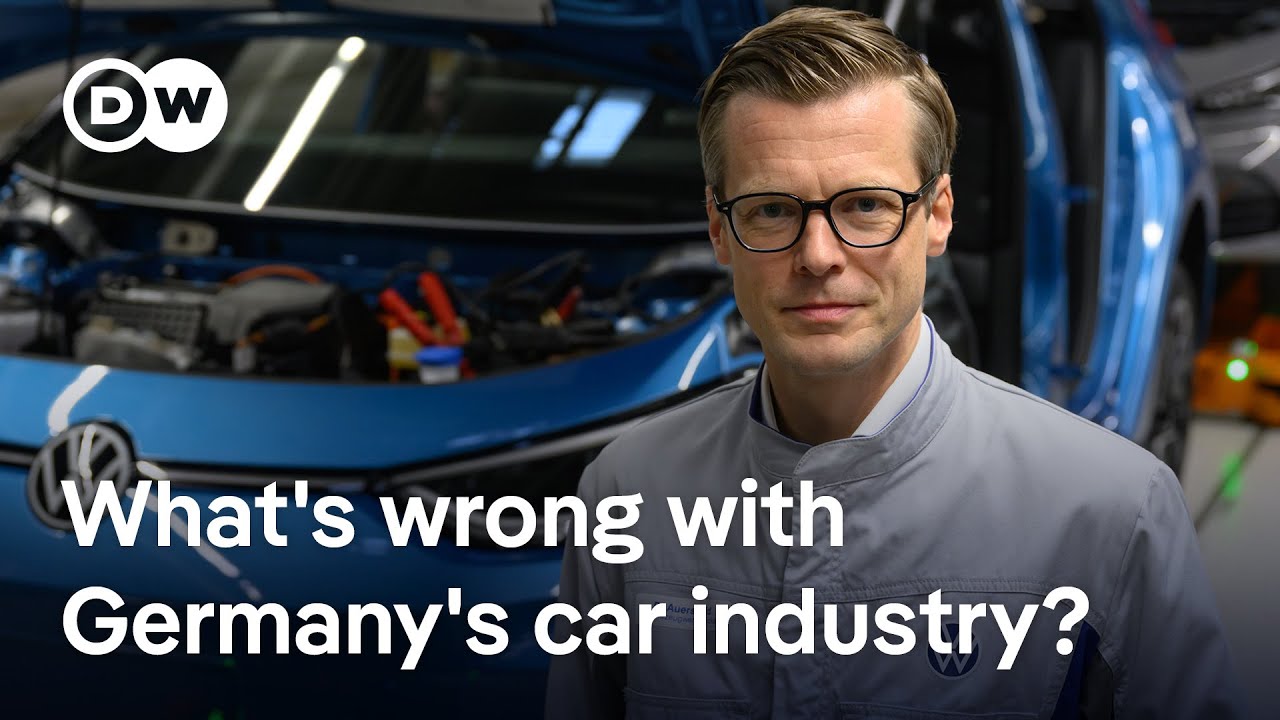
Legacy vs Innovation: How the German Automotive Industry is Pivoting in the Age of EVs
Key Takeaways The Germany automotive market is projected to expand at a steady 3.5% annual rate to reach nearly 2 million units by 2033. Domestic manufacturers export roughly 76% of all vehicles produced, which creates a heavy reliance on international economic health. Electric vehicle production is forecast to rebound sharply in 2025 as strict EU emission targets force automakers to ramp up sales. High energy prices and emerging Chinese competitors currently pose the most significant threats to the profitability of legacy German brands. Government policy aims to have 15 million electric vehicles in operation by 2030 to accelerate the transition away from combustion engines.
By Joey Mooreabout 5 hours ago in Journal



Comments
There are no comments for this story
Be the first to respond and start the conversation.