
Why Choose Industrial Lithium Battery Packs Over Traditional Batteries?
Industrial Lithium Battery Packs

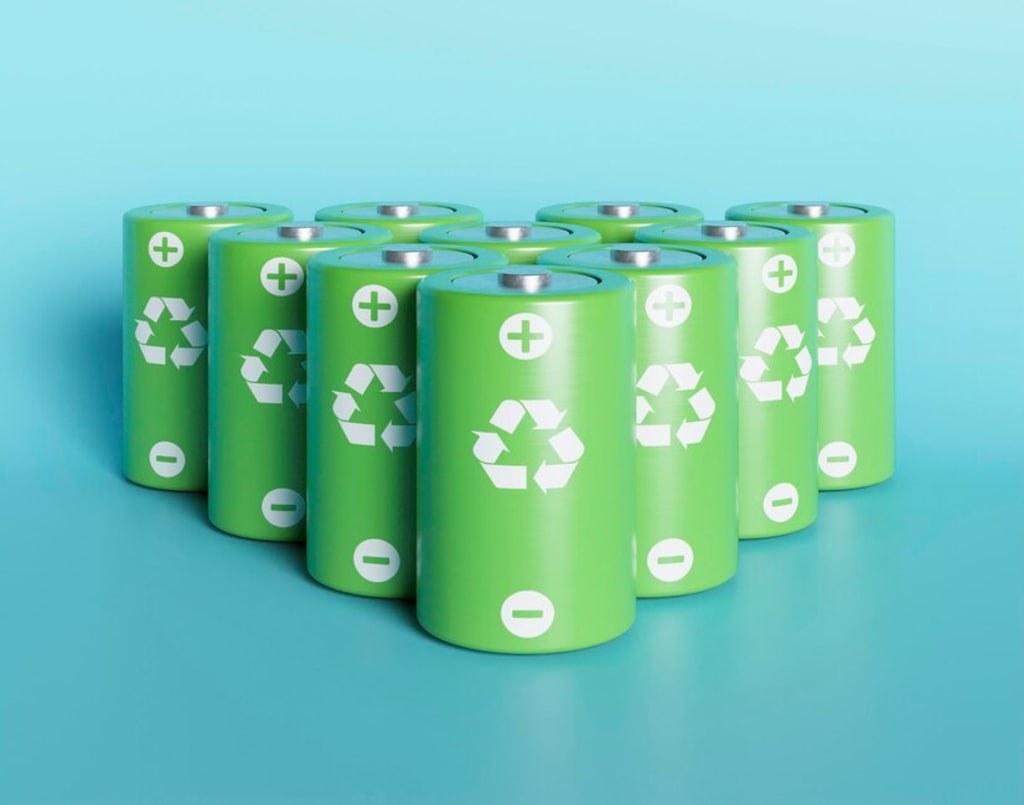
In today's rapidly evolving industrial landscape, the demand for high-performance, efficient, and long-lasting energy solutions is at an all-time high. Industrial lithium battery packs have emerged as the superior choice over traditional batteries, offering significant advantages in terms of lifespan, efficiency, and sustainability. Businesses across industries are now making the switch to lithium-ion technology to power their operations more effectively and cost-efficiently.
Superior Energy Density and Efficiency
One of the primary reasons for choosing industrial lithium battery packs is their exceptional energy density. Lithium-ion batteries store significantly more energy per unit of weight compared to traditional lead-acid or nickel-cadmium batteries. This results in:
- Longer runtime per charge, reducing downtime in industrial applications.
- Faster charging capabilities, ensuring increased productivity.
- Lightweight design, allowing for easy transportation and installation.
Traditional batteries, particularly lead-acid, are bulky, heavy, and require more frequent replacements, making them less efficient for demanding industrial applications.
Extended Lifespan and Durability
Industrial lithium battery packs boast an extended lifespan compared to traditional options. While a typical lead-acid battery lasts between 500 to 1,000 cycles, a lithium battery can endure 2,000 to 5,000 cycles, depending on usage and maintenance.
- Lower replacement costs: Fewer replacements mean reduced expenses in the long run.
- Better resistance to deep discharges: Lithium batteries maintain consistent performance even when regularly discharged to low levels.
- Minimal degradation over time: Traditional batteries suffer from sulfation and capacity loss, while lithium batteries remain stable for years.
This durability makes lithium-ion technology a cost-effective investment, especially for businesses that require continuous and reliable power sources.
Faster Charging and Reduced Downtime
In industries where downtime translates to lost revenue, the fast charging capability of lithium battery packs is a game-changer. Compared to lead-acid batteries, which can take 6-12 hours to fully recharge, lithium batteries can be charged in 1-4 hours, depending on the capacity and charger specifications.
- Opportunity charging: Lithium batteries can handle partial charges without degrading performance, unlike lead-acid batteries that require full charging cycles to maintain efficiency.
- Increased operational efficiency: Less downtime means more productivity for businesses relying on industrial battery power.
- More energy-efficient charging process: Reduced energy consumption during charging lowers overall electricity costs.
Lower Maintenance Requirements
Traditional batteries, particularly lead-acid, demand constant maintenance, including topping up water levels, equalization charging, and cleaning corrosion buildup. Industrial lithium battery packs, on the other hand, are virtually maintenance-free.
- No need for water refilling: Lithium-ion batteries are sealed units that do not require electrolyte maintenance.
- No memory effect: Unlike nickel-based batteries, lithium batteries can be recharged at any state of discharge without affecting longevity.
- No sulfation issues: Lead-acid batteries suffer from sulfation when left in a discharged state for too long, but lithium batteries do not experience this problem.
Lower maintenance means reduced labor costs, improved safety, and enhanced operational efficiency.
Environmental Benefits and Sustainability
As businesses move towards sustainable and eco-friendly solutions, industrial lithium battery packs offer a greener alternative to traditional batteries. Lithium-ion technology is more environmentally friendly for several reasons:
- Lower carbon footprint: Lithium batteries require fewer raw materials and last longer, reducing waste.
- No toxic heavy metals: Unlike lead-acid batteries, which contain hazardous lead and sulfuric acid, lithium batteries are free from toxic substances.
- Recyclability: Lithium battery recycling programs are expanding, improving sustainability efforts.
By choosing lithium battery packs, industries contribute to a cleaner environment while also benefiting from superior performance.
Enhanced Safety Features
Safety is a critical concern when selecting industrial batteries, and lithium-ion technology has advanced significantly to offer superior protection. Modern lithium battery packs come equipped with built-in safety mechanisms, including:
- Battery Management Systems (BMS): These regulate voltage, temperature, and charging cycles to prevent overcharging, overheating, and deep discharging.
- Thermal stability: Unlike traditional batteries prone to thermal runaway and overheating, lithium batteries are designed to remain stable under extreme conditions.
- Explosion-proof and non-spillable design: Lead-acid batteries can leak hazardous chemicals, whereas lithium batteries are fully sealed and safe for transport.
These safety features make lithium batteries the preferred choice for industries prioritizing risk reduction and compliance with safety regulations.
Cost-Effectiveness in the Long Run
While the initial cost of industrial lithium battery packs may be higher than traditional batteries, their long-term financial benefits far outweigh the upfront investment. Key cost-saving factors include:
- Longer lifespan, reducing replacement frequency.
- Lower maintenance and labor costs.
- Higher energy efficiency, leading to reduced electricity bills.
- Decreased downtime, increasing overall operational efficiency.
When considering the total cost of ownership (TCO), lithium batteries prove to be the most economical choice for industrial applications.
Industries Benefiting from Industrial Lithium Battery Packs
Several industries are already reaping the benefits of lithium battery technology, including:
- Material handling and logistics (forklifts, AGVs, warehouse automation)
- Renewable energy storage (solar and wind energy backup systems)
- Telecommunications (backup power for cell towers and data centers)
- Electric vehicles (EVs) (trucks, buses, and industrial transport systems)
- Medical equipment (portable devices and emergency backup systems)
With the continuous advancements in battery technology, more industries are transitioning to lithium solutions for improved reliability and efficiency.
Conclusion
Industrial lithium battery packs are undeniably the future of energy storage. Their high energy density, extended lifespan, fast charging capabilities, low maintenance, environmental benefits, and superior safety features make them the ideal choice over traditional batteries. Businesses looking to optimize their energy solutions, reduce costs, and improve efficiency should consider making the switch to lithium battery technology.
As the industrial world continues to evolve, lithium-ion technology stands as the gold standard for energy storage, providing unmatched performance and sustainability.
Author Bio
Jacob Williams is a battery technology expert and the lead content strategist at BatteryEVO. With over a decade of experience in the energy storage industry, he specializes in helping businesses transition to innovative battery solutions for enhanced performance and sustainability. At BatteryEVO, Jacob is dedicated to educating industries about the benefits of lithium battery technology and its impact on efficiency and cost savings.
About the Creator
Jacob William
Hello I'm Jacob and I work as an Digital Marketing Consultant at Link Builder. Link Builder provides affordable backlink building services in India.
Keep reading
More stories from Jacob William and writers in Journal and other communities.
How Long Does It Take to Get an Apostille in the UK?
An apostille certificate is an official authentication of a document issued by the UK government to confirm its legitimacy for use in another country that is a signatory to the Hague Convention of 1961. It is commonly required for legal documents such as birth certificates, marriage certificates, academic transcripts, and corporate documents. Understanding how long it takes to obtain an apostille in the UK is essential for individuals and businesses that need to use UK-issued documents internationally.
By Jacob William10 months ago in Journal
~ Fired ~
— Ai Intrusion ~ Are you Next ~ Is Ai Evolution after your job? — Few workplaces haven't been affected. Ai is in supermarkets, at doctors' offices, and even monitoring farms. I just can't think of anything this machine is not getting into, can you? For instance: Education ~ Law and Tech jobs will one day have a major influence or be taken over by these inanimate machines, with accuracy and vigor. From mechanics' diagnoses to a wide variety of everyday jobs, including fast food workers, with this input having the ability to cut their unnecessary work hours. I'm certain all of us have been touched by this with our short stories and colorful headings, have you? Even comments are very questionable 'Non-Robot' insertions.
By Jay Kantor2 days ago in Journal



Comments
There are no comments for this story
Be the first to respond and start the conversation.