
Why LED Aviation Lights Are Becoming the Standard in Modern Aircraft
Aircraft Repair Shop

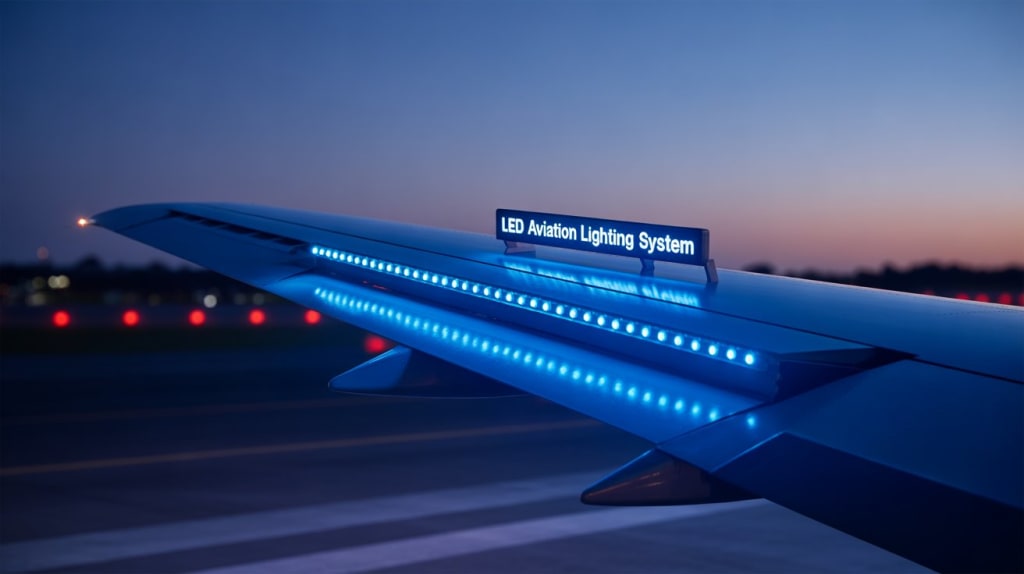
In aviation, safety is paramount, and visibility plays a critical role in ensuring that every flight operates smoothly and securely. One component often overlooked but essential for both safety and efficiency is aircraft lighting. Over the past few decades, LED aviation lights have steadily emerged as the preferred choice over traditional incandescent or halogen lighting systems.
From brighter illumination to reduced maintenance costs, the benefits of LED technology are hard to ignore. This blog explores why LED lights are quickly becoming the standard in modern aircraft and how they are transforming aviation operations worldwide.
What Are LED Aviation Lights?
LED, short for Light Emitting Diode, is a modern lighting technology that produces bright, efficient illumination while consuming minimal power. LED aviation lights are used in various applications, including exterior lighting such as navigation lights, strobe lights, landing lights, and interior cabin lighting.
Unlike traditional bulbs that rely on filaments, LEDs generate light through the movement of electrons in a semiconductor, which makes them more energy-efficient and durable. This shift in lighting technology is more than just a trend, it is a significant leap forward in aircraft safety, reliability, and performance.
Key Advantages of LED Aviation Lights
The widespread adoption of LED lighting in aviation is driven by several compelling advantages.
1. Energy Efficiency
One of the most significant benefits of aircraft LED lights is their energy efficiency. LEDs consume considerably less power than traditional incandescent or halogen lights, which reduces the overall load on an aircraft's electrical system. Lower power consumption not only improves energy efficiency but also contributes to fuel savings, indirectly supporting more sustainable flight operations. For modern aircraft, where every watt counts, energy-efficient lighting translates into operational efficiency and lower environmental impact.
2. Longer Lifespan
Another key advantage of LEDs is their extended lifespan. Traditional incandescent bulbs may require replacement after just a few hundred hours of operation, whereas LEDs can last tens of thousands of hours under normal operating conditions. This extended lifespan reduces the frequency of maintenance checks and part replacements, saving both time and money for airlines and operators. The durability of LEDs ensures that aircraft remain flight-ready with minimal downtime, which is especially critical for commercial and military operations.
3. Enhanced Visibility and Safety
Safety is the cornerstone of aviation, and LED aviation lights significantly enhance visibility. These lights provide brighter and more consistent illumination compared to traditional lighting systems, ensuring that pilots, ground crews, and other aircraft can see the plane clearly under various conditions. LED technology also performs better in adverse weather, such as fog, rain, or low-light environments, contributing to safer takeoffs, landings, and in-flight navigation. The improved visibility offered by LEDs is a vital factor in reducing accidents and improving overall aviation safety.
4. Durability and Reliability
LEDs are inherently more durable and reliable than conventional bulbs. Resistant to vibrations, extreme temperatures, and mechanical shocks, they are well-suited for the demanding conditions of aviation. This reliability makes LEDs ideal for all types of aircraft, from helicopters and turboprops to light and heavy jets. Operators can count on consistent performance, reducing the risk of unexpected failures and ensuring uninterrupted flight operations.
Technological Innovations in LED Aviation Lights
The evolution of LED technology has paved the way for several innovative applications in aviation lighting. Modern LED aviation light systems can offer adaptive brightness, automated controls, and integration with aircraft avionics for enhanced navigation and safety. Some systems include multi-color LEDs that can indicate different operational statuses or warn of potential hazards.
Additionally, advancements in UV and smart LED technology are enabling features such as anti-collision lights and more efficient runway illumination. These innovations not only improve operational safety but also enhance passenger comfort and overall flight experience.
Why Modern Aircraft Are Standardizing on LEDs
Several factors explain why LED aviation lights are becoming the standard across modern aircraft:
1. Regulatory Compliance and Industry Standards
Aviation authorities worldwide, including the FAA and EASA, have recognized the reliability and safety benefits of LED lighting. Modern standards increasingly encourage or require the use of energy-efficient and durable lighting solutions in both new aircraft and retrofits.
2. Operational Cost Savings
LEDs reduce operational expenses through lower energy consumption and extended lifespans. Airlines and operators save on frequent bulb replacements, maintenance labor, and inventory management. Over time, these savings can be substantial, especially for fleets with multiple aircraft.
3. Enhanced Safety and Performance
The superior brightness and reliability of LED aircraft landing lights directly contribute to safer operations. From improved night visibility to better weather performance, LEDs help prevent accidents and reduce operational risks.
4. Environmental Sustainability
With the aviation industry facing increasing pressure to reduce its carbon footprint, energy-efficient lighting is an important step toward sustainability. LEDs consume less power, generate less heat, and require fewer replacements at an aircraft repair shop, making them a smart choice for any aircraft repair shop while reducing environmental impact.
5. Long-Term Investment Value
Upgrading to LED aircraft lights is a forward-looking investment. While initial costs may be higher than traditional bulbs, the long-term benefits in maintenance savings, operational efficiency, and safety make LEDs the preferred choice for modern aircraft.
Conclusion
LED aviation lights have proven themselves as a superior alternative to traditional lighting systems, offering benefits that extend beyond illumination. From energy efficiency and cost savings to enhanced safety, durability, and technological integration, LEDs address the modern demands of aviation operations.
Airlines, private operators, and military fleets are increasingly adopting these lights, making them the standard in contemporary aircraft design. As technology continues to evolve, LED aviation lights will remain a critical component in ensuring safer & more efficient flight operations.
Upgrade your aircraft lighting with NAASCO’s reliable LED aviation solutions. Enhance safety, reduce maintenance, and keep your fleet performing at its best.
About the Creator
NAASCO
NAASCO is a leading name in the aviation industry and one of the top O.E.M component providers. Our most successful products are Whelen M444 3 Pin Molex Connector , starter generator and terminal block solutions. Learn more about us!
How Retrieval-Augmented Generation Services Are Transforming Enterprises at Scale
Not long ago, many AI initiatives inside large organizations struggled to move beyond pilot projects. The models looked impressive in demos, but once deployed, they often failed to deliver accurate, reliable, or up-to-date results. Hallucinations, outdated knowledge, and lack of transparency made decision-makers cautious about scaling AI across critical business functions.
By Kanak Appinventiv4 days ago in Journal



Comments
There are no comments for this story
Be the first to respond and start the conversation.