
Where Do People Die?
Where Do People Die? Exploring the Most Common Places of Death

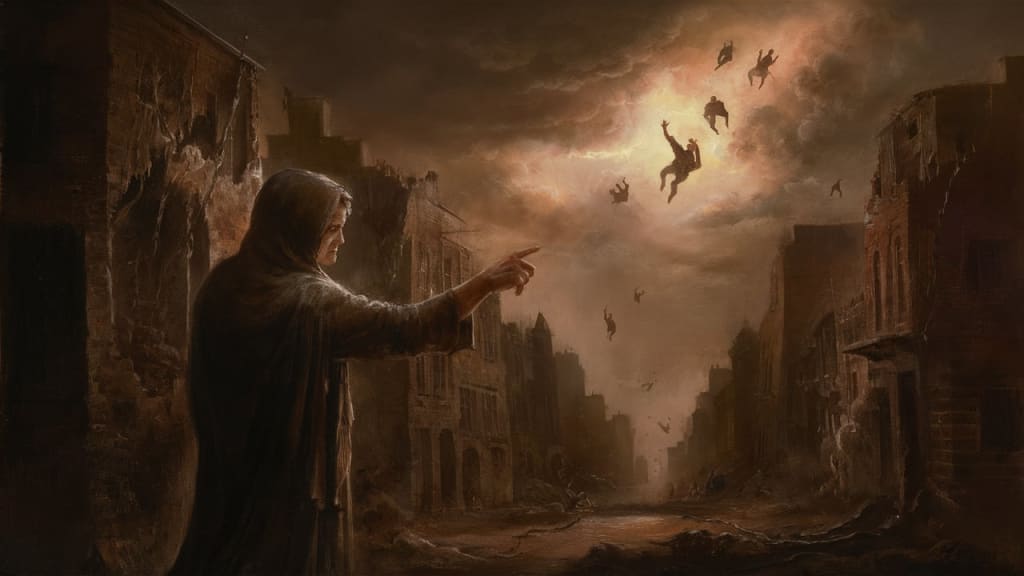
Death is an inevitable part of life, yet the places where people die vary widely depending on cultural, medical, and social factors. Understanding where deaths occur can provide insights into healthcare systems, societal trends, and personal preferences regarding end-of-life care. In this article, we’ll explore the most common places where people die, the reasons behind these trends, and how different cultures approach death.
1. Hospitals: The Most Common Place of Death
Hospitals are the leading place where people die, especially in developed countries. Advanced medical care, emergency services, and the presence of life-support systems make hospitals the default location for many deaths.
Why Do Most People Die in Hospitals?
Medical Interventions: Many patients are admitted for critical illnesses, surgeries, or terminal conditions.
Emergency Situations: Heart attacks, strokes, and accidents often lead to hospital deaths.
Lack of Alternative Care: Some families lack access to hospice or palliative care at home.
However, dying in a hospital isn’t always the preferred choice. Many people express a desire to die at home, surrounded by loved ones, but medical necessities often override these wishes.
2. Home: A Preferred but Less Common Place of Death
Despite the high number of hospital deaths, many people wish to die at home. Home deaths are more personal, allowing individuals to be in a familiar environment with family.
Factors Influencing Home Deaths
Hospice Care: The rise of in-home hospice services has made home deaths more feasible.
Cultural Beliefs: Some cultures prioritize dying at home for spiritual or traditional reasons.
Advance Directives: More people are specifying their end-of-life preferences in legal documents.
Yet, home deaths require significant caregiving resources, which not all families can provide.
3. Nursing Homes and Long-Term Care Facilities
As populations age, more people spend their final days in nursing homes or assisted living facilities. These institutions provide medical supervision while offering a more homelike setting than hospitals.
Why Do People Die in Nursing Homes?
Chronic Illness Management: Residents often have Alzheimer’s, Parkinson’s, or other degenerative diseases.
Lack of Family Caregivers: Many elderly individuals don’t have relatives available to provide full-time care.
Professional Support: Nursing homes offer 24/7 medical attention, reducing hospital admissions.
However, quality of care varies, and some people fear dying in institutional settings.
4. Hospice Centers: A Growing Trend
Hospice care focuses on comfort rather than cure, making hospice centers an increasingly popular place for terminal patients to spend their final days.
Benefits of Hospice Deaths
Pain Management: Specialized care ensures minimal suffering.
Emotional Support: Families receive counseling and grief support.
Dignified Passing: Patients have more control over their end-of-life experience.
Despite these advantages, hospice utilization remains lower than it could be due to late referrals and lack of awareness.
5. Public Places and Accidental Deaths
Not all deaths occur in medical or care facilities. Many people die in public places due to accidents, violence, or sudden medical emergencies.
Common Public Places of Death
Roads (Car Accidents) – A leading cause of accidental death worldwide.
Workplaces – Industrial accidents or health emergencies like heart attacks.
Natural Disasters – Earthquakes, floods, and wildfires claim lives unexpectedly.
These deaths are often sudden and traumatic, leaving little time for preparation or goodbyes.
6. War Zones and Violent Deaths
In conflict areas, many die due to war, terrorism, or political violence. These deaths are often undocumented and occur in brutal conditions.
Impact of Violent Deaths
Mass Casualties: Wars and genocides lead to large-scale deaths.
Refugee Crises: Displaced populations face higher mortality rates.
Psychological Trauma: Survivors and families endure long-term emotional scars.
7. Suicide Locations: A Tragic Reality
Suicide is a leading cause of death globally, often occurring in isolated or symbolic locations.
Common Suicide Sites
Bridges and High Places – Jumping is a frequent method.
Private Homes – Many suicides happen behind closed doors.
Forests and Remote Areas – Some choose solitude for their final act.
Mental health awareness and prevention programs are crucial to reducing these deaths.
Cultural Perspectives on Death Locations
Different cultures have unique traditions regarding where people should die:
Japan: Many prefer dying at home, with Buddhist or Shinto rituals.
USA: Hospital deaths are most common, but hospice use is growing.
India: Family members often take dying relatives home for last rites.
Scandinavia: High hospice utilization reflects strong socialized healthcare.
These differences highlight how societal values shape death experiences.
How Can We Improve End-of-Life Care?
To ensure more dignified deaths, we must:
Expand Hospice Access – More funding and awareness are needed.
Encourage Advance Directives – People should document their wishes early.
Support Caregivers – Families need resources to care for dying loved ones.
Reduce Medical Over-Treatment – Sometimes, less intervention means more comfort.
Final Thoughts
Where people die reflects medical, cultural, and personal factors. While hospitals remain the most common place of death, trends like hospice care and home deaths are shifting the landscape. By understanding these patterns, we can advocate for better end-of-life experiences.
For more insights on health, wellness, and societal trends, visit Where People Die and explore our in-depth resources.
Conclusion
Death is universal, but the places it occurs vary widely. Whether in a hospital, at home, or in a public space, each location carries different meanings and challenges. By improving end-of-life care options, we can help more people die with dignity, comfort, and peace.
If you found this article informative, check out Infoempire for more thought-provoking content on life, death, and everything in between.
About the Creator
Elijah
Hi, I’m Elijah! I write about the fascinating stories behind famous lives and their final moments. My articles dive into the legacies of well-known figures, exploring the impact they left behind. Join me as I uncover the truth and history.
Automotive Fasteners Market: How Tiny Bolts Are Driving the Auto Industry’s Transformation
In a world obsessed with electric drivetrains, autonomous software, and digital dashboards, the smallest components often carry the greatest responsibility. Beneath every vehicle lies a hidden network of fasteners holding together safety systems, power units, and structural frames. This is the overlooked reality shaping the Automotive Fasteners industry, where precision quietly drives progress.
By william jackabout 22 hours ago in Journal



Comments (2)
Very insightful Elijah. The subject of death is something we tend to avoid until it is either too late or we find out we are dying ourselves. Death is part of life. I find it extra interesting as I have witnessed it's supernatural powers! Nice essay. Thanks for the read!
Nice work… I enjoyed this article. Keep up the good work .