
What milk to choose for a coffee shop
The main properties of milk that affect the quality of foam

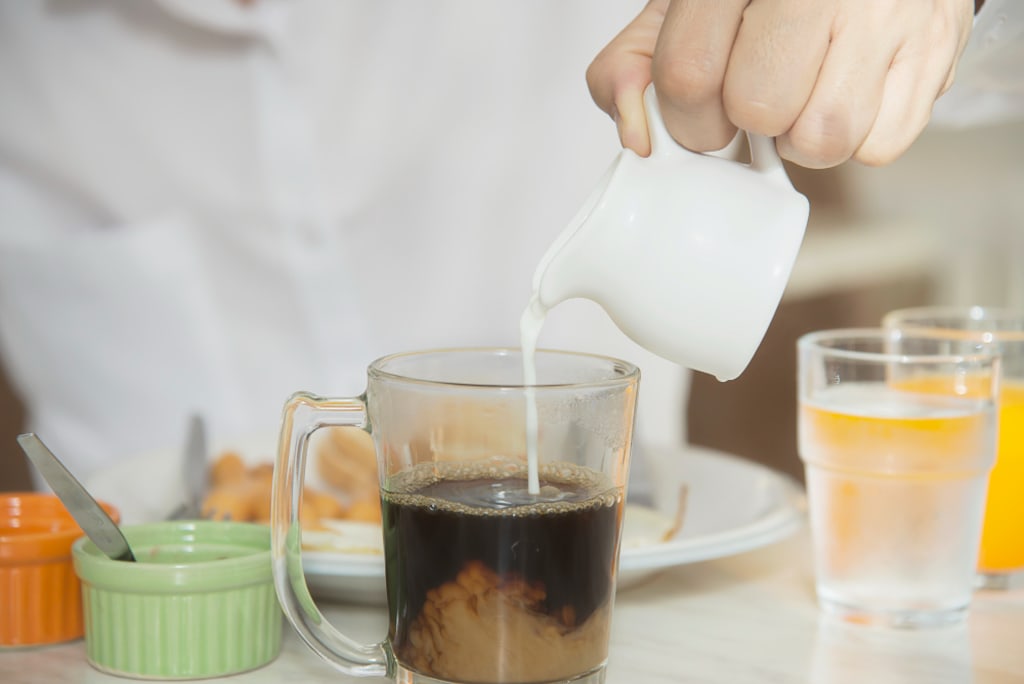
Experienced baristas know that the taste of cappuccino is made up of two components: coffee beans and milk. And the characteristics of the milk also determine how stable the foam will be , how long it will decorate the cup and whether it will be able to give a pleasant sweet taste to the drink without adding sugar. Milk suitable for cappuccino is well whipped both manually and with a frother, and with the use of a pannarello.
The ideal foam has a thick consistency and a glossy surface. It consists of many very small bubbles. The taste is sweet and creamy, without the slightest bitterness. The foam does not pour out immediately from an inverted spoon, it flows slowly. It is convenient to create latte art pictures on such foam, print drawings with coffee powder, sprinkle with coconut, chocolate or citrus shavings, without fear that the beauty will quickly fall off.
Whole milk, as well as milk reconstituted from powder, as well as "eco", "bio" and farm milk, are not used to prepare cappuccino and latte in catering establishments. The foam may not work, and the drink may acquire an unpleasant smell. To create the perfect foam, baristas prefer to use normalized milk, in which fats, proteins and carbohydrates are brought to optimal values.
Protein
The most important nutrient for foam formation. High protein content makes the foam thicker, more viscous, and creamy. The best milk for a coffee shop contains about 3% protein: 4% is better for cappuccino, 2.5% for a latte. To increase the stability of the foam, it must be heated to 60–65 °C: this temperature of milk for cappuccino allows the protein to be denatured, but not overheated, destroying the molecules.
Fat content
Does not affect the whipping process, but is important for creating a dense and stable foam. Fat creates a film on the surface of the bubbles, prevents them from sticking together and makes the foam elastic. Also, high fat content gives coffee a sweetish-creamy taste. Cappuccino requires milk with 3-4% fat content. If you ask a barista what fat content milk for cappuccino would be ideal , most will answer that 3.4%. Skim milk gives coffee a grayish color and makes the foam loose, high fat content reduces the sensitivity of our receptors to the taste of coffee.
Carbohydrates
Lactose ( milk sugar) gives the foam a sweetish taste. It should be at least 4% so that the drink has a rich taste without adding sugar. Low-lactose milk tastes sweeter because the lactose in it is broken down into simple carbohydrates: glucose and galactose. Heated drinks seem sweeter than cold ones, this is also important to consider when choosing and tasting milk.
Processing
The processing method does not directly affect the quality of the foam, but the shelf life depends on it. Cold milk (2–6°C) is used for whipping and is not boiled before use, so pasteurization is mandatory.
Pasteurized milk is heated once to 60–98°C, killing live microorganisms but leaving spores that can develop in the heat. This product should be kept in the refrigerator and used within 5 days.
Ultra-pasteurized is heated to 140°C, but only for 2 seconds. Microorganisms are completely destroyed, so the product can be stored for a long time at room temperature in an unopened package.
Milk is sterilized for 30 minutes at a temperature of over 100°C. This destroys not only bacteria and fungi, but also prion protein compounds. The product has a shelf life of up to six months or more.
What kind of plant milk to add to coffee
Not only cow's milk, but also plant milk is suitable for making cappuccino . Every year, guests choose plant-based analogues more and more often: some for ethical reasons, others for medical reasons. Most often, visitors to cafes and restaurants choose soy, almond, coconut and oat milk.
Almond
It has a pleasant nutty taste. It contains a little protein, so it forms a weak foam. When heated to 55°C, the foam is as smooth as possible. It is whipped in a coffee machine together with espresso to prevent stratification from heating or because of high-acidity coffee.
Soybean
It is inexpensive, has a good neutral taste. Suitable for guests who are allergic to nuts. It contains a lot of protein, so it whips well. It also needs to be whipped with espresso and used with low-acid beans.
Oatmeal
It has the most neutral taste, does not drown out the subtle nuances of coffee. It is easier to whip up than other types of plant milk, but contains less protein, so the foam does not last as long. Before creating latte art with oat milk, you need to let it sit for 40 seconds.
Coconut
It is distinguished by its high fat content and creamy taste. It foams with difficulty, as it contains little protein. It is better not to heat it above 65°C, so as not to spoil the consistency of the drink. It can block the taste of coffee, so it is worth choosing less acidic beans with a dense body.
Hazelnut and cashew
Hazelnuts have the most intense aroma, which can drown out the taste of coffee. Cashews have a natural sweet taste, which can significantly change the taste of the drink. Rarely found in restaurants and cafes, so they can attract lovers of something special to your establishment.
About the Creator
Velma Martinez
Velma Martinez is a seasoned marketing manager based in Brooklyn, currently leading brand strategy and digital marketing efforts at Tiny Footprint Coffee.
Keep reading
More stories from Velma Martinez and writers in Journal and other communities.
Water-Processed Decaf Coffee
For coffee lovers who want to enjoy the rich taste of their favorite beverage without the stimulating effects of caffeine, decaffeinated coffee is an excellent option. However, not all decaf coffee is created equal. The method used to remove caffeine from coffee beans plays a crucial role in preserving the flavor and health benefits of the coffee. Among the various decaffeination methods, the Swiss Water Process (SWP) stands out as a chemical-free and environmentally friendly technique. In this article, we will explore the benefits, process, and health effects of water-processed decaf coffee while optimizing for search engines to ensure you get the best and most informative content.
By Velma Martinez12 months ago in Journal
Net Worth of Different US Fashion Designers: A Look into the Wealth of Industry Icons
Fashion is more than just an art form; it’s a business, and for many designers, it’s an empire. Over the years, fashion designers have transformed their creativity into lucrative ventures, building brands that extend far beyond the runway.
By Backlinks Cart7 days ago in Journal




Comments
There are no comments for this story
Be the first to respond and start the conversation.