
What Makes Ratul Puri One of the Most Respected Entrepreneurs in Indian Infrastructure?
What Makes Ratul Puri One of the Most Respected Entrepreneurs in Indian Infrastructure?

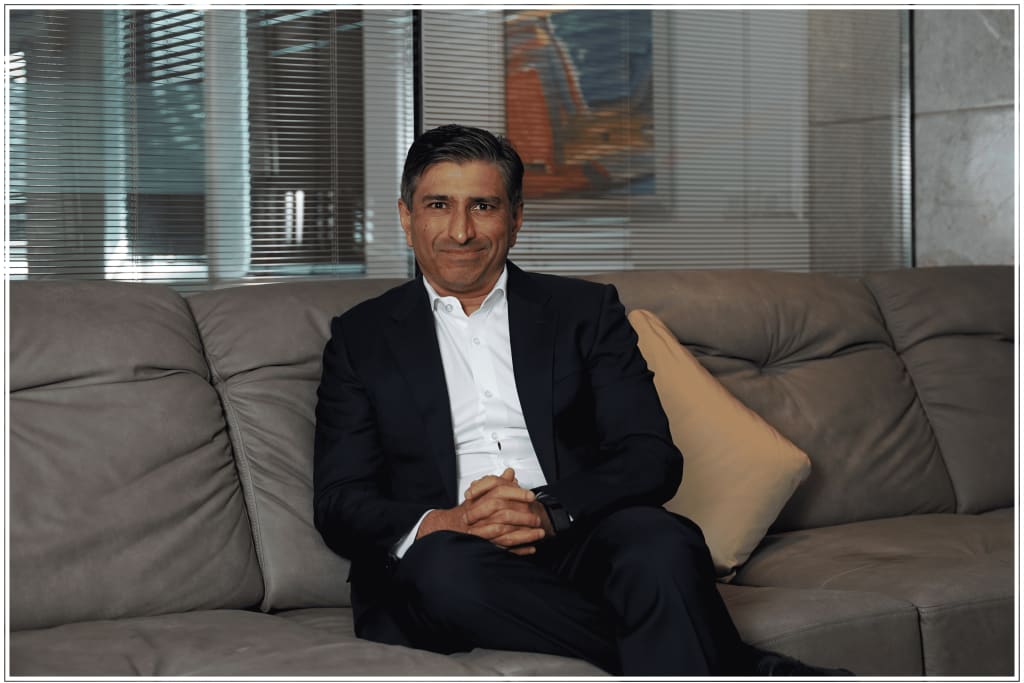
In the vast landscape of India’s infrastructure sector, few names resonate with innovation, integrity, and impact as strongly as Ratul Puri. As the Chairman of Hindustan Power, Ratul Puri has not only built a multi-billion-dollar energy empire but also redefined what it means to lead with purpose in one of the world’s most complex and dynamic markets.
From solar parks to thermal plants, rural electrification to global energy diplomacy, Puri has left a transformative mark. But what exactly makes him one of the most respected entrepreneurs in Indian infrastructure? This blog delves deep into his leadership philosophy, achievements, and vision for a sustainable future.
Early Life and Education: A Global Foundation
Ratul Puri's journey began with a strong academic background. A graduate of Carnegie Mellon University, he earned degrees in Computer Engineering, Economics, and Finance — a combination that would later inform his analytical, tech-forward approach to infrastructure.
Puri’s early exposure to both the technical and financial aspects of engineering gave him a rare edge. Unlike many infrastructure leaders focused solely on execution, he approached the sector with a systems-thinking mindset, enabling more agile, scalable, and future-ready strategies.
Launching Hindustan Power: A New Kind of Infrastructure Company
Hindustan Powerprojects Pvt Ltd was born out of Puri’s belief that power is the foundation of development, and energy access is essential for economic progress. He envisioned a company that would not only generate electricity but also empower communities and protect the environment.
Under his leadership, Hindustan Power expanded across several verticals including thermal power, solar energy, hydropower, and global renewable ventures. Large-scale thermal projects were developed in Madhya Pradesh and Chhattisgarh. The company commissioned over 1,200 megawatts of solar capacity and pursued hydropower plans in the Himalayan region. International projects were also initiated in countries like Germany, Italy, and the United States.
Why Ratul Puri Stands Out in Indian Infrastructure
Visionary Thinking in Renewable Energy
Ratul Puri was among the first Indian industrialists to bet big on solar before it became a national priority. At a time when fossil fuels dominated, he built one of the country’s largest solar portfolios, advocated for solar-friendly policies, and collaborated with international clean energy innovators.
Today, the solar assets built under his guidance are not just profitable but celebrated for their impact in reducing carbon emissions and promoting energy equity.
Ethical and Transparent Leadership
Puri commands respect for his unwavering commitment to ethical operations. In an industry where regulatory opacity can be a challenge, he prioritizes transparency, clean governance, and compliance with international Environmental, Social, and Governance (ESG) standards.
He has insisted on transparent audit trails, community consultations for land use, and responsible stakeholder management—earning both investor trust and public confidence.
Community-Centric Development
Ratul Puri has demonstrated that infrastructure development need not come at the cost of community welfare. His leadership approach is firmly rooted in inclusive growth.
He has driven local employment initiatives in project regions, launched educational programs for underprivileged children, and supported public health services. These community-centric policies have helped transform villages into self-sufficient ecosystems where energy access, education, and economic opportunity go hand in hand.
Global Perspective with Local Execution
Puri’s global education and exposure have been key differentiators. He applies international standards and innovations to Indian contexts without ignoring ground realities. His projects are technologically advanced, financially sound through blended financing, and aligned with both India’s national energy goals and the UN Sustainable Development Goals (SDGs).
His company’s global collaborations ensure that technology transfer, efficient implementation, and knowledge sharing are an ongoing part of Hindustan Power’s DNA.
Achievements and Milestones
Over the years, Puri has accumulated a long list of achievements. He was named a Young Global Leader by the World Economic Forum and received the Entrepreneur of the Year – Infrastructure award from Ernst & Young. He has been featured among Business Today’s Top 21 Young Leaders and is a regular speaker at global forums including CII, FICCI, and the Davos Summit.
Under his leadership, Hindustan Power has commissioned over 1,200 megawatts of solar power, and plans for more than 2,500 megawatts of thermal power are underway. His projects span across continents, establishing India’s presence in the global renewable energy market.
Case Study: Solar Power in Madhya Pradesh
One of the most impactful examples of Puri’s leadership is the solar power project in Madhya Pradesh. Built on barren, arid land, this large-scale solar farm not only generated clean electricity but also revitalized the local economy.
The project electrified over 150 remote villages, directly reducing reliance on diesel generators. Over 250,000 tons of carbon dioxide emissions are mitigated annually, contributing to India’s national climate commitments. The plant created thousands of jobs, both during construction and in ongoing operations.
It became a benchmark project for how clean energy can be implemented in a way that benefits the economy, the environment, and the community simultaneously.
Ratul Puri’s Thought Leadership
Ratul Puri is also an influential voice in policy and strategy. He frequently writes and speaks on topics such as renewable energy finance, public-private partnerships (PPPs), grid modernization, and energy storage solutions.
He has worked closely with policymakers to simplify solar tariffs, promote decentralized energy systems, and accelerate India’s transition toward a net-zero economy. His insights have influenced key reforms and encouraged greater private sector involvement in national energy goals.
Leadership Style: People, Purpose, and Progress
Puri’s leadership philosophy centers around three values: people, purpose, and progress.
He believes that infrastructure is ultimately about improving lives. His approach empowers employees through decentralized decision-making, invests in upskilling local talent, and insists on transparent communication.
Purpose is embedded in every initiative, with sustainability and social good as non-negotiable benchmarks. Progress is measured not just by financial outcomes but by the tangible improvements in the quality of life delivered by each project.
Challenges Faced and Overcome
No entrepreneur builds success without facing challenges. Puri has had to navigate:
- Policy inconsistencies between different Indian states
- Delays in land acquisition
- Regulatory bottlenecks
- International supply chain disruptions
However, his ability to anticipate risks and deploy contingency strategies has enabled his ventures to remain resilient. By building strong legal, compliance, and community relations teams, Puri has established a governance model that minimizes conflict and maximizes delivery.
He has also created strategic alliances with both public and private sector partners to de-risk operations and secure long-term growth.
Comparisons and Context
While India is home to many infrastructure giants, Ratul Puri’s differentiator lies in his balanced approach. Unlike those who focus exclusively on profit or scale, Puri embraces a more humanistic and sustainable model.
Where some industry peers lean on aggressive expansion and vertical integration, Puri prioritizes innovation, ESG alignment, and community development. This makes him not only respected in financial circles but also trusted among civil society and governance bodies.
His style blends the best of traditional infrastructure values—stability, engineering excellence—with the demands of the modern age: climate responsibility, digital transformation, and stakeholder engagement.
Future Outlook
Looking ahead, Ratul Puri is focused on expanding Hindustan Power’s global footprint. Plans are underway to enter emerging markets in Africa and Southeast Asia, where energy access is still a challenge.
He is also exploring green hydrogen, battery storage technologies, and AI-driven power forecasting. These innovations could redefine how clean energy is produced, stored, and distributed, making the grid more resilient and adaptive.
In addition to technological advances, Puri continues to emphasize policy engagement, encouraging regulatory frameworks that support faster project execution and better integration of renewables into national grids.
Frequently Asked Questions
- What industries is Ratul Puri involved in?
Ratul Puri is primarily involved in energy infrastructure, including solar power, thermal power, and hydropower. He also engages in sustainability advocacy, rural development, and technology-driven infrastructure.
- What is his biggest contribution to Indian infrastructure?
Puri’s most notable contribution is mainstreaming solar energy in India while integrating it with rural development and ESG frameworks. His projects have become models for socially responsible and environmentally sustainable growth.
- Why is he considered highly respected?
He is respected for his ethical leadership, innovative business models, and inclusive approach to infrastructure. His commitment to community empowerment and environmental stewardship sets him apart in a competitive industry.
Conclusion: A Blueprint for Modern Infrastructure Leadership
Ratul Puri exemplifies what modern infrastructure leadership should look like: strategic, ethical, and socially driven. His achievements go beyond building power plants — he has built trust, opportunity, and a framework for equitable growth.
As the Chairman of Hindustan Power, Puri’s legacy continues to influence infrastructure development both in India and abroad. Entrepreneurs, policymakers, and investors would do well to study his playbook — one where sustainability meets scale, and profit walks hand-in-hand with purpose.
About the Creator
Chinmaya Singh
Chinmaya Singh is a professional blogger with 6+ years of experience, writing on entrepreneurship, business, and industry, helping readers gain insights into success and growth strategies.
Keep reading
More stories from Chinmaya Singh and writers in Journal and other communities.
Can Ratul Puri’s Renewable Energy Playbook Become the New Standard for Emerging Economies?
In a world racing against climate change and energy insecurity, leaders who can rethink how we power the planet are more vital than ever. Among those visionaries is Ratul Puri, the Chairman of Hindustan Power, a pioneering Indian energy company known for its bold renewable energy ventures. But can his strategic model — a mix of innovation, scale, and sustainability — become a blueprint for emerging economies worldwide?
By Chinmaya Singh6 months ago in Journal
The Town That Banned Wi Fi. A 10 Year Case Study on Electrosensitivity.
A small European town took a radical step. Local leaders banned public Wi Fi. They removed routers from schools, libraries, and offices. Private hotspots faced strict limits. The decision followed complaints from residents who reported headaches, fatigue, and sleep problems. They linked these symptoms to wireless signals. Officials labeled the condition electrosensitivity.
By Wilson Igbasi5 days ago in Journal
A Dart at Dusk
Seconds ago, the sullen sun set on the two of us… my exuberant furry companion and me. A fresh breeze embraces us, delivering welcome relief from the day’s oppressive heat. His typical stumbling and staggering along — apace with a sloth — has turned into trip-trapping, high-stepping, almost skipping along.
By Angie the Archivist 📚🪶5 days ago in Petlife


Comments
There are no comments for this story
Be the first to respond and start the conversation.