
What Maintenance Tips Can Reduce Water Pump Noise at Home?
Water Pump Noise
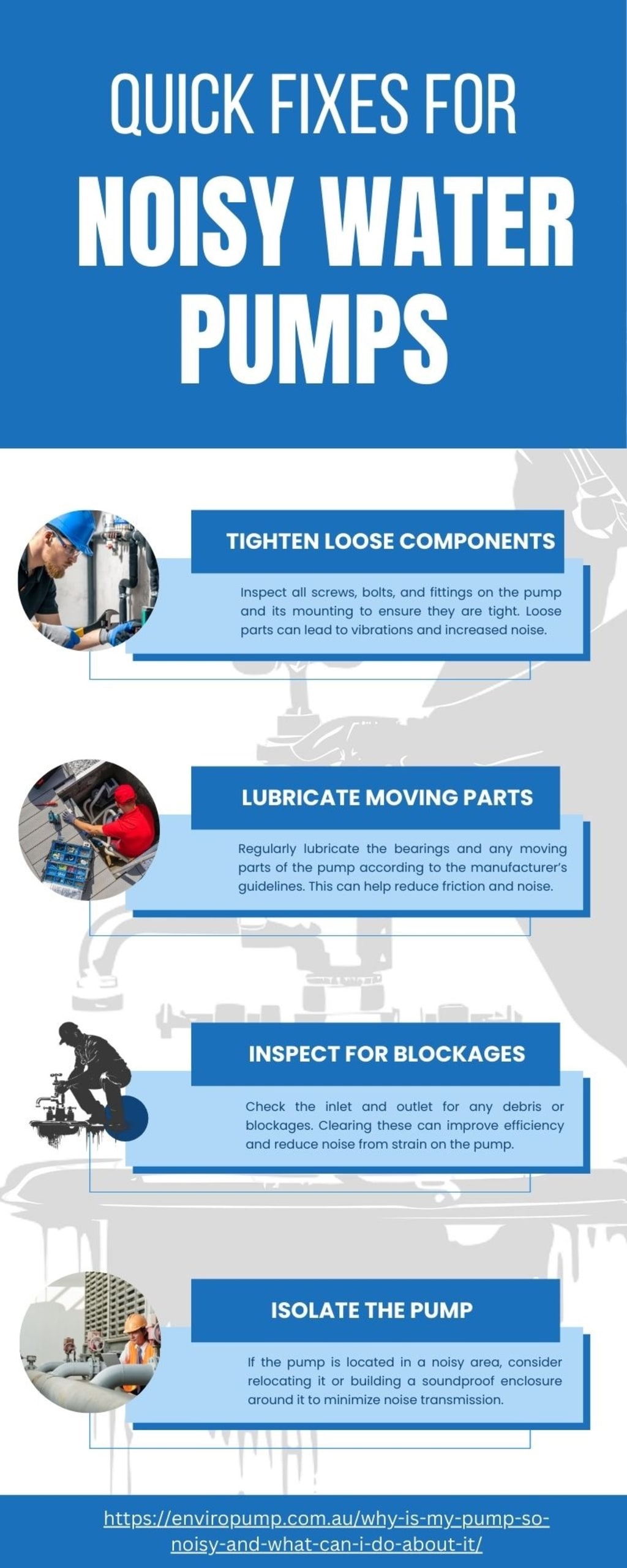
Water pumps are essential for maintaining a steady water supply in homes, but a noisy pump can be a source of frustration. Unusual sounds like rattling, humming, or banging may indicate underlying issues that require attention. Fortunately, with regular maintenance and a few simple adjustments, you can minimize these noises and keep your water pump running smoothly. In this article, we’ll explore practical maintenance tips that can help reduce water pump noise and improve its overall performance.
Check for Vibration Issues
Vibrations are a major contributor to noisy water pumps, often caused by the pump not being securely mounted. If the pump is installed on a hard surface without proper cushioning, it can vibrate loudly when running. To reduce vibrations, place rubber pads or vibration dampeners beneath the pump. These soft materials will absorb the vibrations, significantly cutting down on noise. Additionally, make sure the pump is securely fastened to its mounting surface, as loose fittings can also increase vibrations.
Replace Worn or Damaged Parts
Over time, various parts of the water pump, such as seals, gaskets, or impellers, may wear out or become damaged, leading to strange noises. A grinding or squealing sound could indicate that these components are no longer functioning properly. Regularly inspect the pump for signs of wear and replace any parts as needed. Replacing worn components not only reduces noise but also prevents more serious damage to the pump that could result in costly repairs or replacements.
Ensure Proper Water Pressure
If your pump is making a whining or high-pitched noise, it might be struggling with the water pressure. High pressure can cause the pump to overwork, while low pressure might indicate an air leak or blockage. Check the pressure settings to make sure they are within the recommended range for your pump. If the pressure is too high, it’s important to adjust it to avoid putting unnecessary strain on the pump, which could lead to loud operation or even damage over time.
Install a Pump Silencer or Soundproof Enclosure
For pumps that continue to produce noise even after maintenance, consider installing a pump silencer or a soundproof enclosure. A silencer is designed to minimize the noise generated by the motor and moving parts. Similarly, a soundproof enclosure can effectively block out the noise while still allowing the pump to operate efficiently. These solutions are especially helpful if the pump is located inside your home or near frequently used areas.
Schedule Regular Professional Maintenance
While many noise-related issues can be addressed through basic DIY maintenance, it’s essential to schedule regular check-ups with a professional. A certified technician can thoroughly inspect the pump for deeper mechanical problems, perform routine maintenance, and catch potential issues before they lead to louder noises or breakdowns. Regular professional maintenance will ensure the longevity of your water pump and keep noise levels to a minimum.
By following these maintenance tips, you can effectively reduce the noise from your water pump and improve its overall performance. Regular upkeep not only enhances the pump’s efficiency but also helps you avoid larger, more costly repairs in the future.
FAQs
1. What causes my water pump to make noise?
Water pumps can make noise due to various reasons, including loose components, blockages, worn bearings, vibrations from improper mounting, or issues with water pressure. Identifying the specific sound can help determine the cause.
2. How can I stop my water pump from vibrating?
To minimize vibrations, ensure the pump is securely mounted on a flat surface. You can also use rubber pads or vibration dampeners underneath the pump to absorb vibrations and reduce noise.
3. Is it normal for a water pump to make noise?
Some noise is normal during operation, but excessive or unusual sounds can indicate problems. If the noise is loud or bothersome, it’s important to investigate the source and address any potential issues.
4. How often should I perform maintenance on my water pump?
Regular maintenance should be performed at least once a year. However, if you notice any unusual noises or performance issues, it’s best to check the pump more frequently and consider scheduling professional maintenance as needed.
5. When should I call a professional for my noisy water pump?
If you’ve tried basic maintenance tips and the noise persists, or if you notice significant performance issues, it’s advisable to call a professional. A technician can diagnose deeper mechanical problems and ensure your water pump is functioning correctly.
About the Creator
Keep reading
More stories from Enviro Pump and writers in Journal and other communities.
How to Choose the Right Pool Pump Replacement for Your Pool
Choosing the right pool pump replacement is crucial for maintaining a clean, efficient, and enjoyable swimming environment. With various types and models available, selecting the ideal pump can be daunting. Your decision impacts everything from energy efficiency and water circulation to long-term maintenance costs. In this guide, we’ll walk you through the key factors to consider when choosing a pool pump replacement, ensuring you make an informed choice that meets your pool’s specific needs and enhances your overall pool experience.
By Enviro Pumpabout a year ago in Journal
LBMA Precious Metals Analyst Survey Sees Silver Well Above $100, Wide Range for Gold, New Highs for PGMs
The latest LBMA Precious Metals Analyst Survey has sent strong signals across global commodity markets, projecting an exceptionally bullish long-term outlook for silver, a wide and uncertain price band for gold, and fresh highs for platinum group metals (PGMs). Compiled from leading analysts, banks, traders, and industry experts, the survey reflects growing confidence that structural shifts in the global economy are redefining the role of precious metals beyond traditional safe-haven demand.
By Salaar Jamali4 days ago in Journal


Comments
There are no comments for this story
Be the first to respond and start the conversation.