
How to Choose the Right Pool Pump Replacement for Your Pool
Pool Pump Replacement
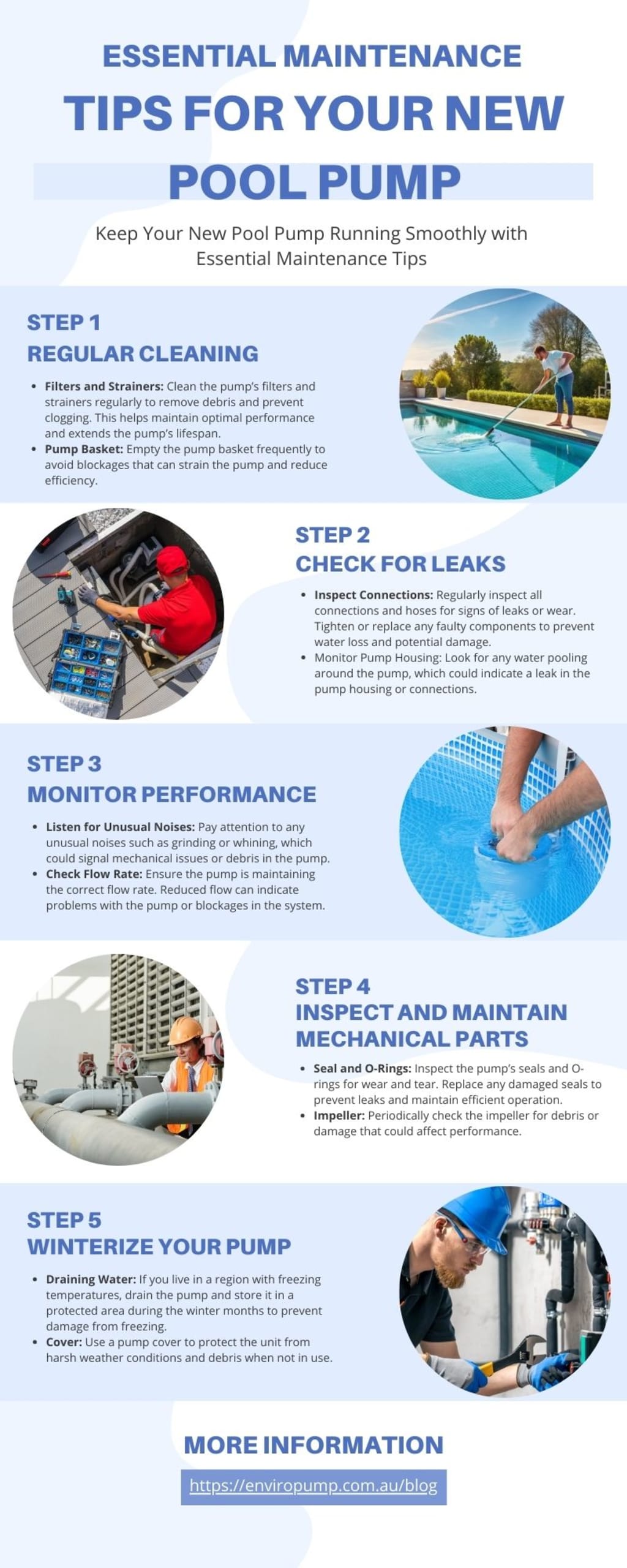
Choosing the right pool pump replacement is crucial for maintaining a clean, efficient, and enjoyable swimming environment. With various types and models available, selecting the ideal pump can be daunting. Your decision impacts everything from energy efficiency and water circulation to long-term maintenance costs. In this guide, we’ll walk you through the key factors to consider when choosing a pool pump replacement, ensuring you make an informed choice that meets your pool’s specific needs and enhances your overall pool experience.
Key Factors to Consider When Choosing a Pool Pump Replacement
Pool Size and Type
Size Matters: Match the pump’s capacity to your pool’s size to ensure adequate water circulation. Larger pools require more powerful pumps.
Type of Pool: Different pool types (e.g., in-ground, above-ground) have varying pump requirements. Ensure compatibility with your pool’s design.
Flow Rate and Pump Size
Flow Rate: Select a pump with a flow rate that matches your pool’s needs. The flow rate is measured in gallons per minute (GPM) and should correspond to your pool’s volume.
Pump Size: Choose a pump size that suits your pool’s filtration system. Over-sized or under-sized pumps can affect efficiency and increase costs.
Energy Efficiency
Variable-Speed Pumps: Consider variable-speed pumps for better energy efficiency. They allow you to adjust the speed based on your pool’s needs, saving on electricity.
Energy Star Ratings: Look for pumps with Energy Star ratings to ensure they meet high-efficiency standards and reduce operational costs.
Noise Levels
Quiet Operation: Some pumps are designed to operate more quietly than others. If noise is a concern, opt for a model known for its quiet performance.
Durability and Build Quality
Material: Choose a pump made from durable materials, such as corrosion-resistant plastics or metals, to ensure longevity and withstand pool chemicals.
Brand Reputation: Research brands with a reputation for quality and reliability. This can impact the pump’s lifespan and performance.
Installation and Maintenance
Ease of Installation: Consider whether you need professional installation or if a DIY approach is feasible. Some pumps are easier to install than others.
Maintenance Requirements: Look for pumps that are easy to maintain and clean. Regular upkeep will prolong the pump’s life and keep it running efficiently.
Budget and Cost
Initial Cost: Set a budget based on your pool’s needs and the features you want. Remember, a higher initial cost can sometimes mean lower long-term expenses due to energy savings.
Operational Costs: Factor in the cost of running and maintaining the pump. Energy-efficient models may have a higher upfront cost but save money over time.
By considering these factors, you can select a pool pump replacement that best suits your pool’s requirements, enhances performance, and provides long-term benefits.
FAQs
- What size pool pump do I need for my pool?
The size of your pool pump depends on your pool’s volume and flow rate requirements. Measure your pool’s dimensions and consult the pump’s flow rate specifications to ensure it matches your pool’s needs.
2. Are variable-speed pool pumps worth the investment?
Yes, variable-speed pool pumps are typically more energy-efficient than single-speed pumps. They allow you to adjust the speed based on your pool’s needs, leading to lower energy costs and quieter operation.
3. How do I know if a pool pump is energy-efficient?
Look for Energy Star-rated pool pumps, which meet high-efficiency standards. These pumps are designed to reduce energy consumption and operating costs.
4. What maintenance is required for a pool pump?
Regular maintenance includes cleaning the pump’s filters and basket, checking for leaks, inspecting mechanical parts, and ensuring proper lubrication. Follow the manufacturer’s recommendations for best results.
5. Can I install a pool pump myself, or should I hire a professional?
While some pool pumps are designed for DIY installation, it’s often best to hire a professional for accurate installation and to ensure compatibility with your existing pool system. Professional installation can also help avoid potential issues and ensure optimal performance.
About the Creator
Keep reading
More stories from Enviro Pump and writers in Journal and other communities.
What Maintenance Tips Can Reduce Water Pump Noise at Home?
Water pumps are essential for maintaining a steady water supply in homes, but a noisy pump can be a source of frustration. Unusual sounds like rattling, humming, or banging may indicate underlying issues that require attention. Fortunately, with regular maintenance and a few simple adjustments, you can minimize these noises and keep your water pump running smoothly. In this article, we’ll explore practical maintenance tips that can help reduce water pump noise and improve its overall performance.
By Enviro Pumpabout a year ago in Journal
Thoughts on Vocal and the way the world is
"Death cannot stop true love, only delay it." – Wesley in The Princess Bride. I decided to come back to Vocal on a very cold and dark night at the end of December. I had been, and still am, convalescing from a horrible staph infection that had gone misdiagnosed for months. This, paired with the increasing challenges of being healthy, making the best choices for my co-parented child, being a wife, and being a director at a new job, was a lot to manage.
By Jazzy 6 days ago in Confessions



Comments
There are no comments for this story
Be the first to respond and start the conversation.