
What is Ecommerce Fulfillment and How Does It Work?
What is ecommerce fulfillment? Who handles ecommerce fulfillment? The elements of ecommerce fulfillment?
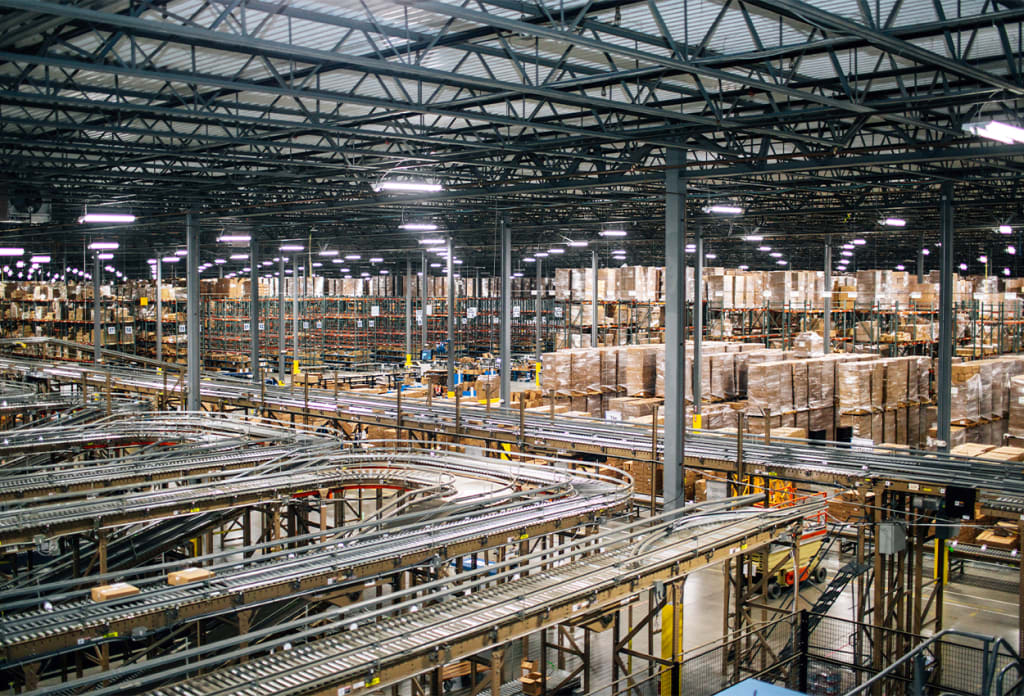
There a lot of factors that you have to consider as a business owner running any kind of business on the internet. From the way you market your business to the way that you structure your workflow, there are many things that you need to be aware of. However, one of the most important of these is something that far too many business owners fail to properly understand. That is ecommerce fulfillment. This is a phrase that you may or may not have heard but it's most certainly something that will be important to any business that deals in physical products. In this guide, you will learn what ecommerce fulfillment is, how it functions, and how you can use it as effectively as possible in your business.
What is ecommerce fulfillment?
In truth, ecommerce fulfillment is actually the combination of a whole variety of different processes that come together for a straightforward goal. In the simplest possible terms, ecommerce fulfillment is everything that occurs between a customer ordering a product online and that being delivered to the customer.
This means that everything involved in processing orders, picking items, packing products, and transporting items to the correct shipping destination all fall within the umbrella of ecommerce fulfillment.
Within ecommerce fulfillment, there are a variety of different services involved in each stage of the process.
Who handles ecommerce fulfillment?
When it comes to ecommerce fulfillment, business owners typically have two options in how to handle it. The first option is to take care of everything in-house, handling all of the different fulfillment services yourself. This allows a great deal of control and may well be a good option for very large businesses with the time, money, and resources to spare on fulfillment. However, this can be an incredibly complex and time-consuming element to add to what is likely an already intricate ecommerce business.
Due to the challenges that handling ecommerce fulfillment in-house can present, many businesses choose instead to outsource this element of their business to a fulfillment company. Not only does this take a great deal of the pressure off your as a business owner since you no longer have to directly oversee all of the different elements of fulfillment, but you can be sure that this part of your business is in the best possible hands by allowing a company who specializes in fulfillment to take care of the details for you. Which option is right for your business will depend heavily on your business's circumstances but the majority of smaller businesses find that working with a fulfillment company is a vastly better option.
The elements of ecommerce fulfillment
Since ecommerce fulfillment is actually more of an umbrella term, it can be useful to break it up into its different elements to understand them better individually.
Order fulfillment is the element of ecommerce fulfillment that most people would readily be able to identify. It refers to the process of picking, packing, and shipping orders to customers. The process of fulfillment starts when a customer places an order and the order is fulfilled when the product arrives at its destination.
Order management is the process by which all of the orders made by customers are overseen. Order management helps to track the status of any given order as well as track returns, errors, and payments. It also is the method by which your business is able to track various purchasing trends.
Inventory management is the act of monitoring your business's stock. If you don't have products to ship to customers, your business is never going to succeed. This means that being able to keep track of what inventory is available, recognize which products require the highest levels of inventory, and replenishing inventory at regular intervals are all essential parts of the fulfillment process.
Any products that your business sends out to customers need to be stored which means that warehousing is another essential part of the process.
At the end of the process is the act of actually shipping the products. This actually is something that should be integrated into the very start of the process as well. Shipping options should be offered to customers including everything from delivery speeds, the potential for tracking orders, and more. The method by which you actually ship your products will depend heavily on the size of your business and how many deliveries are being made. A smaller business could simply put their products into a car and drive them to the post office in order to ship them out, while a larger business may deliver much larger quantities using dedicated vehicles.
About the Creator
Keep reading
More stories from Marium Yousuf and writers in Journal and other communities.
Things to Know Before Choosing the Best Commercial Electric Lighting Company
At some point in the life of your business, you’ll need to hire a commercial electric lighting company - specialists who understand how to create efficient and attractive illuminations for your premises.
By Marium Yousuf5 years ago in Journal
The goals I did not achieve
Every writing goal I made for the year is a wash. It has been this way for a while, but I think it's important to be open about my failures and the reality of how life can get in the way. This is especially true considering the several times I have posted on Vocal about my writing goals, how I was changing my approach, and where I was hoping to be for the upcoming year. I will probably do that again in a couple months, but for now, it is time to acknowledge where I am today.
By Kay Husnick21 days ago in Journal



Comments
There are no comments for this story
Be the first to respond and start the conversation.