
Wearing the Planet Thin
How Fast Fashion is Costing Us More Than Just Cheap Clothes

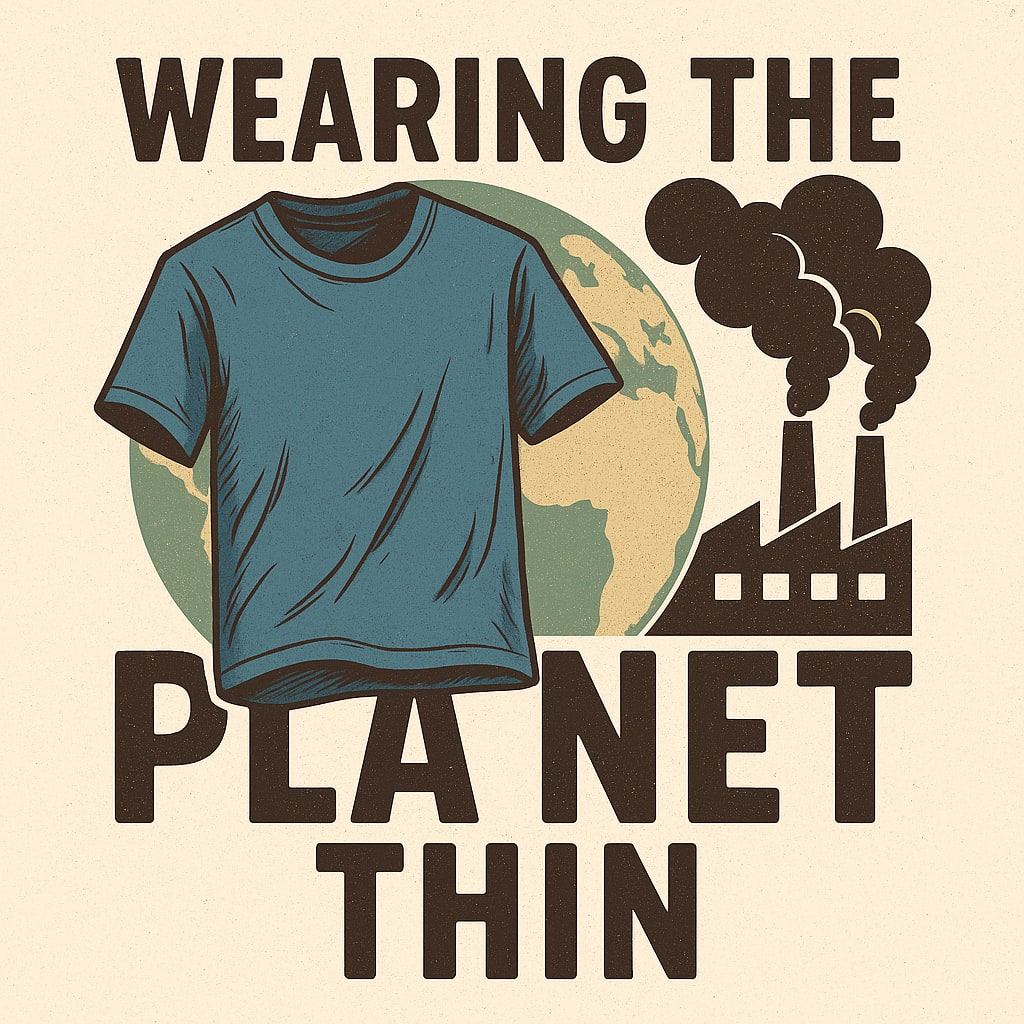
“Buy less. Choose well. Make it last.” — Vivienne Westwood
In an era where trends change faster than the seasons and $5 t-shirts arrive at your door in two days, fast fashion has become the norm. It promises style on a budget, offering instant gratification in a consumer-driven world.
But beneath the glitter and glam of mass-produced fashion lies a disturbing truth: fast fashion is one of the most environmentally destructive and socially exploitative industries on the planet.
This article explores the hidden cost of cheap clothing and why it's time for consumers to rethink what we wear, why we buy it, and who really pays the price.
🏭 1. The Environmental Toll of Fast Fashion
“The fashion industry is the second-largest consumer of water and is responsible for 10% of global carbon emissions.” — United Nations Environment Program.
Fast fashion thrives on speed and low cost. This means:
Cheap materials like polyester (a plastic derived from oil)
Excessive water usage
Toxic dyes and chemicals
Massive textile waste
Let’s break it down:
🔹 Water Waste:
It takes around 2,700 liters of water to make one cotton shirt—that’s enough drinking water for one person for 2.5 years.
🔹 Chemical Pollution:
Textile dyeing is the second-largest polluter of clean water globally. Toxic runoff contaminates rivers, harming aquatic life and communities downstream.
🔹 Carbon Footprint:
From manufacturing to global shipping and short-term use, fast fashion’s carbon emissions are staggering. The industry emits more CO₂ annually than international flights and maritime shipping combined.
🔹 Waste Crisis:
An estimated 92 million tons of textile waste is generated each year. Most of these clothes end up in landfills or are incinerated—releasing even more toxins into the atmosphere.
🧵 2. Human Costs: Who Makes Your Clothes?
“Every time you spend money, you're casting a vote for the kind of world you want.” — Anna Lappé
The human cost of fast fashion is equally devastating.
🔸 Low Wages and Exploitation:
Garment workers, often in countries like Bangladesh, Vietnam, and Ethiopia, are paid as little as $2–$5 a day—far below a living wage.
🔸 Unsafe Working Conditions:
The 2013 Rana Plaza collapse in Bangladesh, which killed over 1,100 garment workers, exposed the horrific conditions many fast fashion workers endure.
🔸 Child Labor:
Despite regulations, child labor persists in the fashion supply chain, especially in raw material production like cotton farming.
Consumers in wealthier countries may enjoy low prices, but behind every $10 dress is likely a person working in poverty, without protections or dignity.
📦 3. Consumer Culture and Overconsumption
Fast fashion thrives on impulse buying and the constant churn of trends. Brands release new collections weekly, encouraging consumers to:
Buy more
Wear less
Discard quickly
The average consumer now buys 60% more clothing than 15 years ago but keeps each item half as long.
This “wear it once” culture feeds into environmental degradation and textile waste. It also devalues the craftsmanship and effort behind clothing, turning it into disposable goods.
🌍 4. Global Inequality: Environmental Racism in Fashion
The environmental impact of fast fashion doesn't affect everyone equally.
Textile waste from wealthier countries is often dumped in developing nations, polluting communities that didn’t benefit from the consumption.
Dyes and chemicals from factories contaminate water sources in the Global South, where environmental regulations are often weak or unenforced.
These communities suffer while consumers elsewhere enjoy the benefits of cheap fashion.
This is a classic case of environmental injustice, where those least responsible bear the greatest burden.
🌱 5. The Rise of Slow and Sustainable Fashion
There is hope.
As awareness grows, so does the movement for slow fashion—a mindset that values:
Quality over quantity
Ethical production
Environmental sustainability
Mindful consumption
Tips for building a sustainable wardrobe:
✅ Buy less, choose better
✅ Support ethical and transparent brands
✅ Shop second-hand or thrift
✅ Repair, repurpose, and recycle clothing
✅ Rent or borrow for special occasions
✅ Ask: “Do I really need this?”
“The most sustainable garment is the one already in your wardrobe.” — Orsola de Castro
💡 Final Thought: Fashion Can Be a Force for Good
Fast fashion has taught us to value price over principle, trend over truth. But we can shift that narrative.
We can choose clothes that reflect not just our style—but our values.
We can support brands that pay workers fairly and protect the planet.
We can realize that every shirt, every pair of jeans, and every shopping choice is a small act of activism.
Because when we stop wearing fast fashion, we start wearing something far more powerful: conscience.
About the Creator
Irfan Ali
Dreamer, learner, and believer in growth. Sharing real stories, struggles, and inspirations to spark hope and strength. Let’s grow stronger, one word at a time.
Every story matters. Every voice matters.
The goals I did not achieve
Every writing goal I made for the year is a wash. It has been this way for a while, but I think it's important to be open about my failures and the reality of how life can get in the way. This is especially true considering the several times I have posted on Vocal about my writing goals, how I was changing my approach, and where I was hoping to be for the upcoming year. I will probably do that again in a couple months, but for now, it is time to acknowledge where I am today.
By Kay Husnick23 days ago in Journal
Why Kindred Spirit Connections Feel Calm Instead of Intense.
Kindred spirit connections are unique soul-level relationships marked by resonance, understanding, and emotional ease. Unlike romanticized or karmic connections, which often involve drama, high intensity, and emotional turbulence, kindred spirit relationships feel calm, peaceful, and aligned. Understanding why these connections create serenity rather than intensity can help you recognize, nurture, and maintain relationships that truly support your growth and well-being.
By Wilson Igbasi7 days ago in Journal




Comments
There are no comments for this story
Be the first to respond and start the conversation.