
Vive Adolescent Care: Inside Utah’s Specialized Teen Mental Health Hospital
How a Utah-Based Psychiatric Hospital Is Redefining Adolescent Mental Health Treatment Through Integrated Care

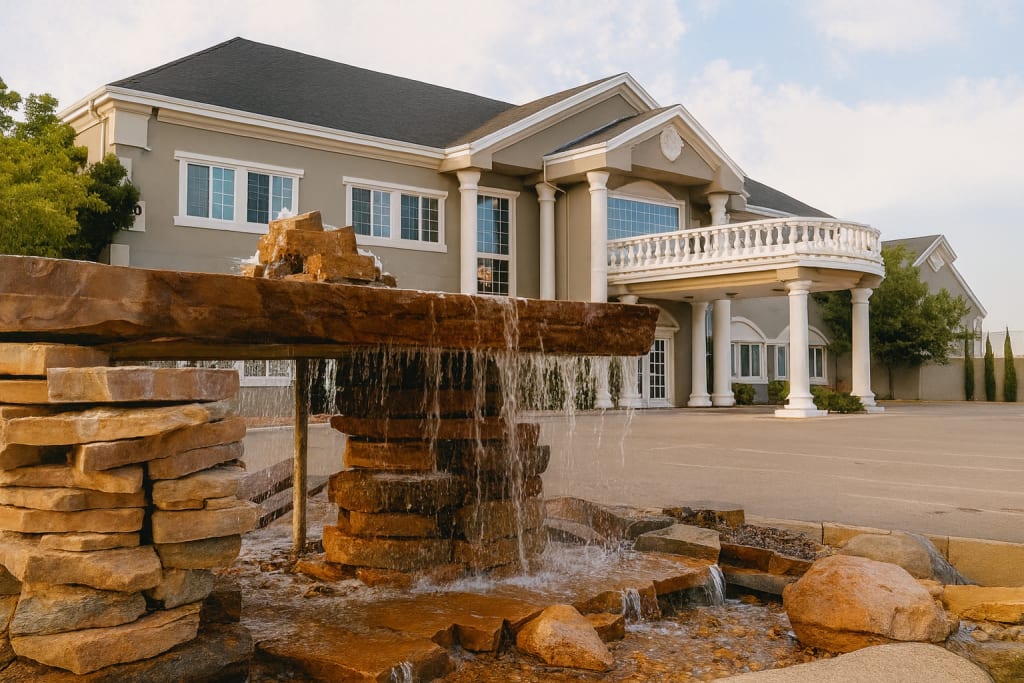
Vive Adolescent Care has become a central figure in Utah’s growing mental health treatment network for adolescents. Located in St. George, this psychiatric specialty hospital provides short-term, intensive care for teens ages 11 to 17 who are experiencing mental health crises. Its model combines medical stabilization, psychiatric treatment, and behavioral therapy, offering a rare level of integrated support in one setting.
Building a Purpose-Driven Treatment Model
The facility was created by three founders who together brought more than three decades of clinical and administrative experience in adolescent behavioral health. Each had witnessed how fragmented mental health systems forced families to navigate multiple providers and facilities at the very moment they needed stability. Vive Adolescent Care was designed to bridge that gap by uniting hospital-level care with the warmth and familiarity of an adolescent-focused environment.
The organization operates under Chief Executive Officer Danielle Squires, who has helped guide the center through its licensing, accreditation, and early expansion phases. Vive is a for-profit entity, though its operations follow strict clinical and ethical standards. It holds The Joint Commission’s Gold Seal of Approval, a mark of compliance with national healthcare quality and safety benchmarks. The facility is licensed by both the State of Utah and the City of St. George, and it maintains full membership with the National Association of Therapeutic Schools and Programs (NATSAP).
How Vive Approaches Teen Mental Health Treatment
Vive’s model rests on a three-part framework: medical stabilization, psychiatric care, and behavioral therapy. This structure allows patients to receive comprehensive care in one facility without having to move between hospitals or residential programs. The average length of stay ranges between two and four weeks, depending on clinical needs and insurance approval. Most patients participate in the program for 21 to 30 days, which the clinical team cites as the most effective period for achieving stabilization and planning for long-term wellness.
Inside the teen mental health facility, the setting feels deliberate. The design philosophy blends modern clinical functionality with a calm, age-appropriate aesthetic. Vive describes its approach as “clinical yet comfortable,” a combination intended to make treatment approachable for teenagers who may be anxious or resistant to hospitalization.
Who Vive Adolescent Care Serves
The hospital treats adolescents from across the Mountain West, including Utah, Nevada, Arizona, and Southern California. Families from Las Vegas and the surrounding region frequently use the facility due to its proximity and specialized adolescent focus. While most patients come from within a day’s travel distance, Vive’s admissions team regularly coordinates care with out-of-state providers and insurance networks.
Vive serves adolescents ages 11 through 18, focusing primarily on patients between 12 and 17. The center accepts all genders and includes care for non-binary youth. It does not enroll international students and is not SEVIS-certified.
Clinical Focus Areas
Vive’s team treats a wide range of mental and behavioral health conditions. Common primary diagnoses include major depressive disorder, suicidal ideation, anxiety disorders, bipolar disorder, and post-traumatic stress disorder. Clinicians also address co-occurring issues such as self-harm behaviors, obsessive-compulsive disorder, attention deficit disorders, and substance use.
The treatment team has experience with complex cases involving adoption and attachment issues, grief, divorce-related stress, learning disabilities, and trauma. Rather than focusing on one diagnosis, Vive positions itself as a general adolescent psychiatric facility equipped to handle multiple overlapping conditions.
Levels of Care Offered
Acute Inpatient Stabilization
The acute inpatient unit provides 24-hour nursing observation and daily psychiatric oversight for teens in crisis. This setting is designed for patients who require immediate safety intervention or have not responded to outpatient treatment. Physicians, nurses, and therapists work together to reduce acute symptoms and stabilize patients for transition to the next level of care.
Intermediate Inpatient Care
Once stabilized, many patients step down to intermediate inpatient programming. This level maintains continuous nursing coverage and daily access to psychiatric services but emphasizes skill building, communication development, and discharge planning. Teams create transition plans that coordinate with families, schools, and outpatient providers to ensure continuity of care.
Partial Hospitalization Program (PHP)
Vive’s Partial Hospitalization Program offers day treatment for adolescents who are stable enough to return home each evening but still need structured daily support. The program runs Monday through Friday from 9:00 AM to 4:00 PM. It includes meals, group sessions, and clinical therapy while mirroring the consistency and routine of inpatient programming. PHP often functions as a step-down level for those completing residential or inpatient care.
Therapies and Modalities in Practice
Core Clinical Framework
Vive Adolescent Care integrates evidence-based therapies into its daily programming. Cognitive Behavioral Therapy (CBT) helps teens identify thought patterns that influence behavior. Dialectical Behavior Therapy (DBT) builds emotional regulation and distress tolerance skills. The facility also uses Eye Movement Desensitization and Reprocessing (EMDR) for trauma treatment, along with mindfulness training, experiential therapy, and family-based interventions.
Group therapy, recreational therapy, and academic support are built into the schedule to balance structure with engagement. Family therapy is also a consistent part of treatment, recognizing that adolescent recovery is rarely a solo process.
Complementary Treatment Methods
The adolescent mental health hospital offers Hyperbaric Oxygen Therapy (HBOT) as an optional adjunct for patients who may benefit from oxygen-based interventions to support healing and neurological recovery. This treatment, administered in a pressurized environment, is designed to complement—not replace—traditional psychotherapy or medication management.
Vive also integrates holistic components such as nutrition planning, movement activities, and mindfulness sessions to address physical and emotional well-being simultaneously.
Admissions and Patient Experience
The admissions process is designed for families in crisis who need rapid placement. Vive maintains an intake line to assess eligibility and clinical appropriateness, often securing admission within days of initial contac,t depending on insurance approval.
Upon arrival, adolescents undergo a comprehensive evaluation including medical assessment, psychiatric exam, psychological testing when necessary, and family history review. This data guides individualized treatment plans tailored to each teen’s situation.
Daily life at Vive Adolescent Care includes structured therapy sessions, supervised recreation, meals prepared with nutritional oversight, and education coordination with home schools to minimize disruption. Patients participate in skill-based learning to prepare for long-term stability once they leave the program.
Discharge and Aftercare Planning
Discharge begins early in treatment. The team works with families to outline next steps, which may include outpatient therapy, psychiatric follow-up, academic reintegration, or community-based resources. The goal is to stabilize each patient and create a plan that prevents relapse after leaving the structured environment.
Family Participation and Education
Family involvement is central to Vive’s philosophy. Parents and guardians take part in family therapy sessions and receive education on adolescent mental health, communication skills, and post-discharge support. The facility’s approach recognizes that parental understanding and engagement significantly influence outcomes.
Families receive consistent updates from treatment teams and are encouraged to stay connected throughout the process. Vive’s parent education workshops focus on creating resilience and building healthier family systems long after discharge.
Financial and Insurance Operations
Vive Adolescent Care primarily operates within an insurance-based framework. The facility works with most major carriers and assists families with benefit verification, preauthorization, and appeals when necessary. Admissions staff explain out-of-pocket costs in advance and support families navigating complex coverage terms.
Payment methods include health savings accounts, credit cards, bank transfers, and wire payments. In cases where families face financial hardship, Vive offers individualized assistance options to help bridge insurance gaps.
Quality Standards and Oversight
Vive’s Joint Commission accreditation affirms adherence to national healthcare quality and patient safety standards. The Gold Seal of Approval indicates compliance across domains such as patient rights, staff training, and facility management. Accreditation is reviewed periodically, requiring continuous documentation and improvement.
The hospital also holds state and municipal licenses, which subject it to inspections and compliance checks. Membership in NATSAP aligns Vive with a broader professional community committed to transparency, ethical practice, and evidence-based care.
Position in the Regional Market
In the Mountain West region, specialized adolescent stabilization hospitals are limited. Vive’s geographic position in southern Utah gives it reach across multiple states where adolescent psychiatric capacity remains in short supply. Its focus on acute, short-term stabilization distinguishes it from longer-term residential programs.
The inclusion of advanced therapies, medical integration, and a carefully designed environment makes the facility competitive in a market dominated by fragmented services. Families often select Vive for its combination of hospital-level oversight and emotionally supportive setting.
Facility Details and Accessibility
Vive Adolecent Care operates from a single campus in St. George, Utah, known for its accessible location and year-round mild climate. The facility sits roughly two hours from Las Vegas and within driving distance of major Arizona and California cities, allowing for broad regional access.
Address
Vive Adolescent Care
120 West 1470 South
St. George, UT 84770
Phone
Main Line: (435) 703-6470
Admissions: (435) 291-5082
Hours
Monday–Saturday: 9:00 AM to 6:00 PM
Sunday: Closed
Common Questions About Vive Adolescent Care (FAQ)
How long do teens stay at Vive?
Most treatment programs last between 14 and 30 days. Clinical progress, insurance approval, and safety considerations determine the exact duration.
What ages does Vive treat?
Vive serves patients ages 11–18, focusing on the 12–17 range.
Does Vive accept insurance?
Yes, the facility partners with most major insurance providers and assists families with verification and authorization.
What conditions are treated?
Depression, anxiety, suicidal ideation, self-harm, bipolar disorder, trauma, eating disorders, obsessive-compulsive disorder, attention deficit disorders, and substance use issues are among the most common.
Is schooling supported during treatment?
Vive provides educational coordination to help minimize academic disruption, but does not offer accredited academic coursework.
Are families involved in treatment?
Family therapy and parent education are key components of the program.
Does Vive accept LGBTQ+ adolescents?
Yes, Vive maintains inclusive admission policies for all gender identities and orientations.
What safety measures are in place?
Patients receive 24-hour supervision within a secure but non-institutional environment.
How fast can a teen be admitted?
Admission timelines depend on clinical need, insurance approval, and bed availability. Urgent cases receive priority scheduling.
What happens after discharge?
Patients transition to outpatient or community-based care with a customized aftercare plan.
Does Vive treat eating disorders or substance use?
Yes, though the facility does not specialize exclusively in those conditions. Treatment addresses co-occurring mental and behavioral health issues.
Who provides clinical care?
Vive’s team includes board-certified psychiatrists, licensed clinical social workers, therapists, psychologists, and nurses with adolescent specialization.
About the Creator
Keep reading
More stories from Vocal Blog and writers in Journal and other communities.
7k Metals is Making Coins Cool Again
Revolutionizing Numismatics with Innovative Semi-collectible Coins 7k Metals is rewriting the script on precious metals again. The Idaho Falls-based precious-metals company, known for its forward-thinking approach to numismatics, has once again set itself apart with its latest innovation: a semi-collectible coin program that is soaring in popularity with its customers and attracting the attention of industry experts.
By Vocal Blog3 months ago in Journal
The Day a Security Camera Proved Its True Value to Me
I’ve worked around security systems for a long time, but there was one day that completely changed how I personally viewed cameras, not as equipment, not as a feature on a sales quote, but as something much more meaningful. It wasn’t about technology specs, resolution, or apps. It was about trust, awareness, and peace of mind in real life.
By shaun hossain 4 days ago in Journal



Comments
There are no comments for this story
Be the first to respond and start the conversation.