
Veterinary Lab Workflow Management
Streamlining Veterinary Diagnostics Through Technology: How LIMS, Lab Software, and Automation are Revolutionizing Lab Operations and Enhancing Animal Care


In the fast-evolving world of veterinary medicine, the need for speed, accuracy, and efficiency is more critical than ever. At the heart of this transformation lies an often overlooked yet crucial area: lab workflow management. As veterinary labs deal with growing demands—from rapid diagnostics to strict compliance requirements—manual systems are no longer sufficient. Enter lab automation, veterinary LIMS, and lab management systems—the digital lifelines of modern veterinary diagnostics.
Let's explore together the key elements of veterinary lab workflow management, the role of technology in transforming lab operations, and how veterinary practices can leverage these tools for better outcomes, smoother operations, and happier clients.
Understanding Vet Lab Workflow Management
Lab workflow management refers to the systematic organization and coordination of tasks within a laboratory to improve efficiency, ensure data accuracy, and optimize turnaround times. In veterinary labs, where precision and speed can make a real difference in animal treatment, managing the workflow effectively is paramount.
Common Challenges in Traditional Vet Labs
Traditional veterinary laboratories often rely on paper-based processes or outdated digital tools. This can lead to:
- Delays in test results due to manual logging and reporting
- Lost or mislabeled samples
- Difficulty tracking inventory and consumables
- Errors in data entry, affecting the accuracy of diagnoses
These challenges not only burden the lab staff but also compromise patient care and damage client trust. Proper lab workflow management eliminates these friction points by introducing automation, traceability, and streamlined communication across departments.
The Role of Veterinary LIMS in Workflow Optimization
A Veterinary LIMS (Laboratory Information Management System) is a software platform designed to manage samples, associated data, and workflows in a lab setting. In a veterinary context, it’s tailored to handle species-specific tests, multiple patient profiles (often for animals from the same owner), and complex reporting needs.
Key Features of Veterinary LIMS:
- Sample Tracking: From the moment a sample is collected to the delivery of test results, LIMS ensures traceability and accountability.
- Automated Workflows: Predefined workflows help standardize testing procedures and reduce manual tasks.
- Digital Reporting: Instant generation and distribution of test results, complete with vet-approved templates.
- Client Communication: Integrated tools allow seamless updates to veterinarians or pet owners.
- Compliance and Data Security: Meets regulatory requirements with detailed audit trails and data backup.
Real-World Impact
Take the example of a mid-sized vet lab that switched to LIMS after struggling with lost samples and reporting delays. Post-implementation, sample misplacement dropped to near zero, and reporting time reduced by 40%. This improved their client satisfaction score significantly, leading to higher referrals and revenue.
Importance of Lab Automation in Modern Vet Labs
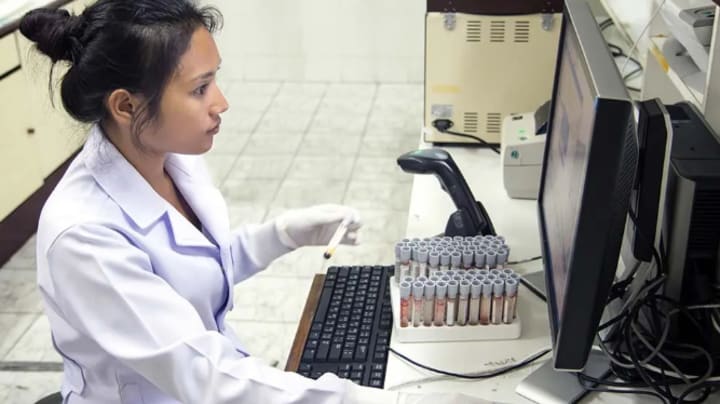
Lab automation is the use of technology to perform laboratory tasks with minimal human intervention. For veterinary labs, automation isn’t a luxury—it’s becoming a necessity.
Benefits of Lab Automation:
- Increased Throughput: Automated equipment can process hundreds of tests daily without fatigue.
- Greater Accuracy: Reduces the risk of human error in sample handling and analysis.
- Time-Saving: Frees up technicians to focus on more complex or manual tasks.
- Standardization: Ensures consistency in test procedures and results.
Common Applications in Vet Labs:
- Automated hematology and biochemistry analyzers
- Robotic pipetting systems for sample prep
- Auto-labelers and barcode scanners for specimen identification
- Integrated imaging tools for pathology and cytology
By integrating automation with a veterinary LIMS, the lab becomes a streamlined, high-performing ecosystem capable of handling increasing diagnostic demands with ease.
Lab Software and Lab Management Systems
Veterinary labs have a variety of software options to choose from. The terms “lab software” and “lab management system” are sometimes used interchangeably, but they can serve different purposes.
Lab Software vs Lab Management System:
- Lab Software: Typically focused on specific functions like test result management or scheduling.
- Lab Management System: A comprehensive solution covering everything from sample handling to inventory and billing.
Key Functionalities to Look For:
- Workflow tracking and sample lifecycle monitoring
- Patient and case management
- Report generation and cloud sharing
- Integration with EMR/EHR systems
- Role-based access and security
Choosing the right Vet LIMS depends on your clinic’s size, testing volume, and future scalability needs. For smaller practices, modular systems that can grow with the clinic are ideal, while larger operations may need full-suite software from day one.
Efficient Inventory Management in Veterinary Labs
Inventory is the lifeblood of a veterinary lab—whether it’s reagents, slides, or personal protective equipment. Yet, many labs still track these essentials using spreadsheets or manual counts.
Problems with Manual Inventory:
- Overstocking or understocking
- Expired materials being used
- Difficulty in cost tracking and reporting
How LIMS and Lab Management Systems Help:
- Real-Time Tracking: Know what’s in stock at any given moment.
- Automated Alerts: Get notified before supplies run out or expire.
- Vendor Integration: Some systems allow automatic reorder based on usage.
- Cost Control: Monitor and manage procurement budgets more efficiently.
Efficient inventory management not only saves money but also ensures the lab never hits a bottleneck due to missing supplies.
Real-World Benefits of Streamlined Lab Workflow Management
Let’s talk results. When a veterinary clinic implements a complete lab workflow management strategy, the transformation is undeniable.
Key Benefits:
- Faster Diagnostics: Reduced turnaround times for results.
- Improved Accuracy: Less room for error means more reliable results.
- Happier Staff: Less burnout from tedious manual work.
- Stronger Compliance: Meet regulatory and accreditation standards more easily.
- Better Client Trust: Pet owners get quicker answers and better care.
Labs that embrace technology find themselves more agile, more competitive, and ultimately more profitable.
Implementing Lab Workflow Management in Your Practice
Ready to upgrade your lab? Here’s how to begin:
Step-by-Step Guide:
- Evaluate Your Current Workflow: Identify bottlenecks and error-prone areas.
- Define Your Needs: Small clinic? Large hospital? Tailor solutions accordingly.
- Choose the Right Tools: Compare LIMS and lab software vendors.
- Involve Your Team: Get buy-in from technicians and vets early.
- Train and Transition: Ensure everyone knows how to use the new system.
- Monitor and Adjust: Use data to fine-tune your workflow over time.
Transitioning to a digital lab environment takes time, but the rewards are substantial—and often immediate.
The Future of Veterinary Labs: AI, Cloud, and Beyond
What’s next for lab workflow management? Innovation continues to push the envelope.
Future Trends:
- AI Diagnostics: Tools that analyze test results or images to assist in diagnosis.
- Cloud-Based LIMS: Access lab data anytime, anywhere, with top-tier security.
- Mobile-Friendly Dashboards: Real-time alerts and reports on your phone.
- Interoperability: Seamless integration between lab, pharmacy, and hospital systems.
As veterinary practices grow more complex and data-driven, staying ahead with tech adoption is key to long-term success.
Expert Opinion
Effective lab workflow management isn’t just about speeding things up—it’s about elevating the standard of care, improving operational efficiency, and future-proofing your veterinary lab. From veterinary LIMS to lab automation and inventory management, every digital tool plays a role in building a smarter, more responsive lab.
Ready to modernize your vet lab? Start with one change. Evaluate your processes, invest in the right tools, and empower your team. Your patients—and your business—will thank you for it.
About the Creator
Dr Shukla
This is Dr Shukla, Call me Shukla, Passionate about sharing insight on radiology in human and veterinary.
How Retail Store Maintenance Companies Help Improve Operational Efficiency
It is indeed one of the most important things for a brand to establish operational efficiency. When a brand successfully achieves the same, it can easily save time, reduce costs, and provide a better experience to both its customers and employees as well. However, this is not as easy as it seems to be. Retailers might face a tough challenge in establishing an effective and efficient operational procedure.
By D'Art Design2 days ago in Journal




Comments
There are no comments for this story
Be the first to respond and start the conversation.