
Used Cooking Oil to Reach $11.6 Billion by 2033: Growth & Challenges
Exploring the $11.6 Billion Used Cooking Oil Market by 2033: Trends, Applications, Regulations, Challenges, and Opportunities for Sustainable Growth

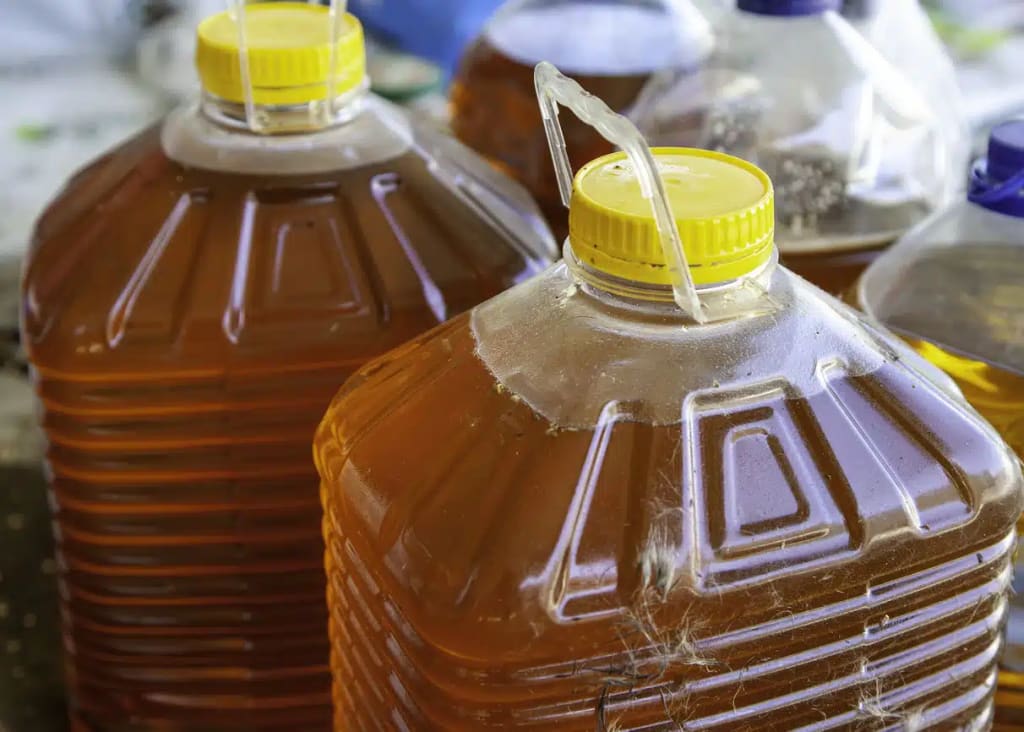
Imagine a world where waste becomes a resource, where something as common as used cooking oil transforms into a cornerstone of sustainable industries. Used cooking oil (UCO), often discarded after frying or cooking, is no longer just waste it’s a valuable commodity driving innovation in renewable energy, animal feed, and industrial applications. As global awareness of sustainability grows, the UCO market is gaining momentum, fueled by environmental consciousness, supportive regulations, and technological advancements. This blog dives deep into the used cooking oil market, exploring its size, share, trends, applications, regulations, challenges, and future opportunities from 2025 to 2033. Whether you’re an industry professional, investor, or sustainability enthusiast, this comprehensive guide will illuminate the exciting potential of this dynamic market.
Overview of the Used Cooking Oil Market
Used cooking oil, derived from vegetable oils or animal fats used in cooking or frying, is a byproduct of households, restaurants, hotels, and food processing industries. Instead of clogging drains or polluting landfills, UCO is now collected, refined, and repurposed for a range of applications, from biodiesel production to animal feed and industrial greases. This market plays a pivotal role in the circular economy, turning waste into valuable resources while addressing environmental concerns like greenhouse gas emissions and waste disposal.
- Sources of UCO: Generated from sunflower, corn, canola, olive, palm, rapeseed, soya oils, and animal fats, often as a blend of these sources.
- Key Applications: Primarily used in biodiesel production, but also in oleochemicals, soaps, animal feed, and industrial lubricants.
- Global Reach: Spans North America, Europe, Asia-Pacific, Latin America, and the Middle East and Africa, with each region contributing uniquely to market dynamics.
- Sustainability Driver: Supports global sustainability goals by reducing waste and providing eco-friendly alternatives to fossil fuels.
- Economic Impact: Creates jobs in collection, processing, and distribution while fostering partnerships between commercial establishments and recycling companies.
The UCO market is a vibrant ecosystem driven by innovation, policy support, and growing demand for sustainable solutions. Its growth reflects a global shift toward greener practices and resource efficiency.
Market Size & Growth
Global used cooking oil market size was valued at USD 7.0 Billion in 2024. Looking forward, IMARC Group estimates the market to reach USD 11.6 Billion by 2033, exhibiting a CAGR of 5.7% during 2025-2033. Europe currently dominates the market, holding a significant market share of over 44.3% in 2024. This robust growth is driven by increasing demand for biodiesel, stringent environmental regulations, and advancements in recycling technologies. Europe’s leadership stems from its well-established collection infrastructure, supportive policies like the Renewable Energy Directive (RED II), and high awareness of sustainability. Meanwhile, regions like Asia-Pacific are emerging as fast-growing markets due to rapid urbanization and rising UCO generation from food industries.
Regional Breakdown:
- Europe: Leads due to stringent regulations and a mature biodiesel industry.
- North America: Strong growth fueled by U.S. policies like the Renewable Fuel Standard (RFS) and tax incentives.
- Asia-Pacific: Rapidly expanding due to high UCO generation in countries like China and India.
- Latin America: Growing interest in biodiesel, with Brazil leading the charge.
- Middle East and Africa: Emerging markets with potential for growth as sustainability initiatives expand.
Growth Drivers: Rising biodiesel demand, government incentives, and technological advancements in UCO processing.
Market Segmentation: By source (households, commercial, food manufacturers) and application (biodiesel, animal feed, oleochemicals, others).
This growth trajectory underscores the market’s potential to contribute to a sustainable future, with biodiesel production leading the charge as a renewable energy source.
Key Trends in the Used Cooking Oil Market
The UCO market is evolving rapidly, driven by several transformative trends that are reshaping its landscape. These trends reflect technological advancements, changing consumer behaviors, and global sustainability goals.
Surge in Biodiesel Manufacturing
Manufacturing of biodiesel from used cooking oil (UCO) is a major growth driver, driven by the global initiative to lower carbon emissions. In the United States, the Renewable Fuel Standard enforces the blending of biofuels, boosting UCO demand. Europe's RED II encourages higher-level biofuels from waste such as UCO, leading to investment in processing plants. It aligns with cleaner fuel alternatives, decreases dependence on fossil fuels, and fits with environmental policy, and thereby UCO is an essential feedstock in the global energy transition.
Expansion of Collection Networks
Effective UCO collection networks are critical to market expansion, with firms collaborating with hotels, restaurants, and food processing facilities to provide a constant supply. In the UK, companies such as Olleco have established sophisticated networks to collect commercial kitchen UCO, streamlining logistics. Online platforms and real-time tracking improve transparency and efficiency, minimizing supply chain interruptions. Such networks provide consistent UCO supply for use in biodiesel production, enabling scalability and sustainability in recycling and biofuel operations.
Emergence of Sustainable Aviation Fuel (SAF)
The application of UCO in the production of sustainable aviation fuel (SAF) is on the rise as airlines come under pressure to reduce carbon signatures. In November 2024, Indonesia's state-owned oil company Pertamina unveiled plans to commence SAF production from UCO by early 2025, highlighting the aviation industry's transition to low-carbon feedstocks. SAF produced from UCO provides a low-carbon substitute for conventional jet fuel and prompts innovation and investment in processing technology to satisfy high-standards aviation requirements and global decarbonization objectives.
Circular Economy Integration
The UCO market is a good representation of circular economy models by converting waste into high-value products such as biodiesel, animal feed, soaps, and industrial lubricants. It minimizes waste, optimizes the use of resources, and benefits the international goals of sustainability. With companies and consumers focusing on environmentally friendly initiatives, UCO's value in producing high-value, sustainable products becomes higher. The trend benefits environmental protection, minimizes the use of virgin resources, and promotes economic benefits in recycling and green product innovation in various industries.
Technological Developments
Technological advancements in UCO processing, including new filtration and transesterification methods, enhance biodiesel and product quality and yield. These technologies reduce the cost of processing, and UCO becomes more competitive with virgin oils. Improved technologies simplify impurity removal and maximize conversion steps, enabling scalability of biofuel production. Through enhanced efficiency and minimized environmental footprint, these technologies enhance UCO's potential as a sustainable feedstock and propel its uptake in biodiesel, oleochemicals, and other high-value applications.
These trends highlight the UCO market’s adaptability and its critical role in addressing environmental challenges while meeting industrial demands.
Industry Applications
Used cooking oil is a versatile resource with applications across multiple industries. Its ability to be refined and repurposed makes it a valuable commodity in the following sectors:
Biodiesel Production
Used cooking oil (UCO) is the bedrock of biodiesel production, taking a huge market share in 2024 because of its affordability and environmental advantages. Biodiesel from UCO is a renewable fuel that can replace diesel, driving vehicles and equipment. In the United States, firms such as Darling Ingredients turn millions of gallons of UCO every year into biodiesel, supporting the country's renewable energy objectives. This process reduces greenhouse gas emissions and supports the transition to cleaner energy sources, enhancing sustainability in transportation.
Animal Feed
UCO is treated to eliminate impurities and mixed with other products to create high-energy animal feed, filled with necessary fatty acids for animals such as poultry and pigs. The use is especially important in the developing world, where increased demand for low-cost feed fuels market expansion. Recycling UCO as feed by producers improves livestock nutrition while limiting waste. The process promotes sustainable farming, offering a cost-effective means of addressing the increasing worldwide demand for protein-rich animal commodities.
Oleochemicals and Soaps
UCO is a principal raw material in the production of oleochemicals for soaps, detergents, and cosmetics. Recycling produces by-products such as glycerine, which is extensively used in these applications. In the Asia-Pacific region, businesses use UCO to produce low-cost, environmentally friendly soaps that cater to consumers' demand for sustainable products. This use minimizes virgin oil dependency, reduces costs of production, and promotes a circular economy by recycling waste into high-value chemical end-products for personal care and household applications.
Industrial Lubricants
Refined UCO is used to produce industrial greases and lubricants for machinery and manufacturing operations. These products offer a green alternative to petroleum-based lubricants, meeting strict environmental regulations and corporate sustainability initiatives. UCO-based lubricants have similar performance but lower environmental impact, making them suitable for industries looking for greener alternatives. This use improves resource efficiency, reduces waste, and facilitates the implementation of environmentally friendly practices in different industrial sectors, ranging from manufacturing to heavy machinery.
Case Study: Neste's SAF Initiative
Neste, a pioneer in renewable fuels on a global scale, has put used cooking oil (UCO) first when it comes to the production of sustainable aviation fuel (SAF). Neste will triple SAF production based on UCO as a major feedstock by 2025 and aim for reducing carbon emissions from aviation. The move identifies UCO as key to promoting innovation in high-impact sectors by highlighting its capacity to convert waste into a low-carbon fuel source that facilitates global decarbonization and sustainability in aviation.
These diverse applications underscore UCO’s role as a multi-faceted resource, supporting sustainability across energy, agriculture, and manufacturing sectors.
Regulatory Landscape
Government policies and regulations are pivotal in shaping the UCO market. Stringent environmental laws and incentives for renewable energy are driving demand for UCO while ensuring responsible collection and processing.
Renewable Fuel Standards
Domestically in the U.S., the Environmental Protection Agency's (EPA) Renewable Fuel Standard (RFS) requires biofuel incorporation, including that of biodiesel from used cooking oil (UCO). The Biodiesel Tax Credit is an example of tax credits and subsidies that favor UCO-based biodiesel as a cost-competitive feedstock. The EPA offers specific information on sustainable collection of UCO to reduce its environmental footprint so that waste handling is done as it should. These regulations spur demand for UCO, fueling a strong domestic biofuel economy and sustainable activity.
Europe's Renewable Energy Directive (RED II)
Europe's Renewable Energy Directive (RED II) is ambitious in the targets for renewable energy, with a focus on advanced biofuels from residual waste such as UCO. Germany and the Netherlands have strict waste oil disposal laws, favoring recycling and minimizing pollution of the environment. These regulations spur collection of UCO and production of biodiesel, fueling market expansion. RED II’s focus on sustainability certification ensures traceability, enhancing UCO’s role in meeting Europe’s renewable energy goals while supporting a circular economy and reducing reliance on fossil fuels.
Asia-Pacific Regulations
In the Asia-Pacific region, countries like China and India are implementing stricter waste disposal laws to formalize UCO collection. China, a leading UCO exporter, has launched awareness campaigns to educate businesses and households on proper disposal, curbing illegal dumping. India's policies encourage recycling of UCO for the production of biodiesel, increasing supply chains. Such regulations seek to promote environmental sustainability and augment the expanding biofuel sector, although there are issues in harmonizing collection practices and enforcing compliance across various regions.
Brazil's Biodiesel Mandate
Brazil's blending mandate of biodiesel has risen from 10% to 14% in 2025, with an objective of reaching 15% in 2026, fueling high demand for used cooking oil (UCO) as a feedstock. This policy makes Brazil a leader in Latin America's biofuel market, promoting investment in UCO collection infrastructure. Prioritizing waste-based feedstocks reduces dependency on virgin oils and supports sustainability. The mandate triggers economic growth in the biodiesel industry as well as environmental concerns through higher recycling efforts.
Challenges in Regulatory Compliance
While regulations propel UCO market growth, they pose challenges to stakeholders. Regional inconsistent standards make multinational corporations' operations challenging, necessitating region-specific compliance approaches. Smaller industry members have expensive compliance requirements for collecting, processing, and certifying UCO, quite possibly involving infrastructure and technology investments. Traceability and strict quality standards add to the resource burdens. Harmonization of worldwide regulations and financial assistance to small players would alleviate these impediments to create a balanced, effective UCO market.
These regulations create a supportive framework for the UCO market but highlight the need for harmonized standards to facilitate global trade and scalability.
Challenges in the Used Cooking Oil Market
Despite its promising growth, the UCO market faces several challenges that could hinder its expansion. Addressing these obstacles is crucial for sustained development.
Impurities in UCO
Used cooking oil (UCO) has various impurities like free fatty acids, water, food particles, and other contaminants that make its processing into biodiesel rather problematic. Such impurities require elaborate pre-treatment procedures such as filtration and purification prior to transesterification, raising operation costs significantly and lowering the overall yields. High levels of impurities will lower the quality of the biodiesel, making it non-compatible in strict markets such as the aviation sector, where it is important to have exact fuel specifications. Good removal of impurities is critical in order to meet industry standards and sustain market competitiveness.
Supply Chain Inefficiencies
The aggregation of UCO from various sources, including small restaurants, households, and food processing facilities, poses serious logistics challenges. Irregular supply chains, especially in developing nations where there is minimal collection infrastructure, create uncertain raw material availability. This disrupts production scheduling for biodiesel and raises transport costs. Moreover, the absence of standardized collection systems and coordination between stakeholders prevents scalability. Establishing strong infrastructure and efficient logistics is essential to provide a consistent UCO supply for long-term biodiesel production.
Competition from Virgin Oils
UCO faces competition from virgin vegetable oils, which are usually cheaper or simpler to procure because of existing supply channels. In the U.S., biodiesel producers may prefer virgin oils like soybean or canola oil when UCO prices fluctuate or supply is inconsistent. This competition challenges UCO recyclers, as virgin oils require less pre-processing, reducing production costs. The economic viability of UCO-based biodiesel depends on stabilizing UCO prices and improving collection efficiency to remain competitive in the biofuel market.
Theft and Fraud
The soaring value of UCO has led to theft and fraud, especially in demand areas. Burglars steal restaurant grease traps to acquire UCO, which they resell in the black market, while other suppliers label virgin oils as UCO to take advantage of financial incentives or subsidies. Such practices erode confidence in the UCO market, compromising its credibility and reliability. Enforcement of stronger monitoring, authentication mechanisms, and safe collection practices is mandatory to fight theft and fraud, promoting market integrity and confidence on the part of the stakeholders.
Regulatory Disparities
Differing regulations across geographies pose huge challenges for firms transacting in the global UCO market. In the Asian region, issues with tracing the origin and authenticity of UCO imports are a source of concern regarding quality and adherence to environmental standards. Unstable regulatory systems make cross-border trade more complex, raise compliance costs, and discourage investment in biodiesel production with UCO as the input. Alignment of regulations and setting transparent standards for UCO quality and certification are essential in establishing a credible and efficient global market for biofuels made from UCO.
Case Study: Theft of UCO in the U.S.
In California, UCO theft has increased as it becomes more valuable in the biofuel market, with thieves breaking into restaurant grease traps and collection bins to resell stolen oil on the black market. It has led firms like Baker Commodities to spend money on secure collection systems like locked bins and cameras to deter theft. The problem emphasizes industry-wide answers such as advanced tracking technologies and increased enforcement to secure UCO supply chains and provide stable access for legitimate biodiesel producers.
Overcoming these challenges requires investment in technology, infrastructure, and regulatory harmonization to ensure a stable and scalable UCO market.
Future Opportunities
The UCO market is brimming with opportunities as sustainability becomes a global priority. These prospects offer exciting avenues for growth and innovation.
Increase in SAF Production
The increasing need for sustainable aviation fuel (SAF) presents tremendous opportunities for used cooking oil (UCO) as a feedstock. With airlines pursuing net-zero emissions by 2050, production of SAF using UCO is increasing. Players such as Neste, with plants in Singapore and Europe, and Pertamina, with plans for SAF production in Indonesia by 2025, are increasing capacity for UCO-based production. Total SAF production was 15.8 million gallons in 2024, with UCO as one of the prime feedstocks, indicating robust market growth potential.
Technological Innovation
Technological improvements in UCO processing, including enzymatic transesterification and improved filtration, increase yield efficiency and minimize production costs. Enzymatic transesterification enhances conversion efficiencies, such that UCO competes favorably with virgin oils. In 2024, a European biorefinery implemented improved filtration, raising UCO purity by 25%, such that it can be utilized in high-value applications such as bioplastics and specialty chemicals. These technologies promote scalability and increase UCO's contribution to sustainable fuel and material generation, promoting economic feasibility.
Emerging Markets
Asia-Pacific, Latin America, and the Middle East and Africa are becoming hotspots for UCO with increasing food industries and sustainability emphasis. India's food service market, producing 1.24 million kiloliters of UCO per year, presents tremendous potential for collection networks. In 2024, a Middle Eastern company started a UCO-to-SAF pilot, utilizing regional waste streams. The developing infrastructure and biofuel-friendly regulation in these regions make them central to the global UCO market.
Public-Private Partnerships
Public-private partnerships are vital for scaling UCO recycling and collection. Europe's effective collection infrastructure, fueled by public-private initiatives among governments, NGOs, and companies, recovered 5 million tons of UCO in 2024. Comparable models are being developed across the Asia-Pacific region, with Indonesia's government preparing regulations to facilitate UCO-based SAF. These partnerships improve infrastructure, provide quality feedstock, and drive sustainability, enabling an adoptable model for emerging markets to enhance UCO supply chains.
Diversification of Uses
Applications of UCO go beyond biodiesel and animal feed to new applications such as bioplastics, specialty chemicals, and renewable diesel (HVO). In 2024, an American firm produced UCO-based bioplastics, decreasing dependence on petroleum-derived materials. Global production of renewable diesel from UCO increased by 10%, providing greater energy density compared to biodiesel. Diversifying uses stabilizes revenue streams, lowers market dependence, and supports circular economy strategies, adding economic and environmental value to UCO.
Case Study: China’s UCO Export Boom
China has become a leading exporter of UCO, supplying biodiesel producers in the U.S. and Europe. By investing in collection infrastructure and certification systems, China is capitalizing on the global demand for sustainable feedstocks, demonstrating the potential for other emerging markets to follow suit.
These opportunities highlight the UCO market’s potential to drive sustainability and economic growth, making it an attractive space for investment and innovation.
Conclusion
Used cooking oil market is a dynamic and rapidly growing sector, transforming waste into a valuable resource for renewable energy, agriculture, and industry. With a projected market size of USD 11.6 billion by 2033, driven by a CAGR of 5.7%, the market is poised for significant expansion, fueled by sustainability initiatives, technological advancements, and supportive regulations. Europe’s dominance, coupled with the rapid growth of Asia-Pacific and Latin America, underscores the global nature of this industry. While challenges like impurities, supply chain inefficiencies, and regulatory inconsistencies persist, the opportunities for innovation, market expansion, and diversification are immense. From powering planes with sustainable aviation fuel to creating eco-friendly soaps, UCO is at the forefront of the circular economy. As businesses, governments, and consumers unite to prioritize sustainability, the used cooking oil market will play a pivotal role in shaping a greener, more resource-efficient future.
About the Creator
Andrew Sullivan
Hello, I’m Andrew Sullivan. I have over 9+ years of experience as a market research specialist.
Keep reading
More stories from Andrew Sullivan and writers in Journal and other communities.
Freeze-Drying Equipment to Soar to $4.49B by 2033: Key Insights
Freeze-drying, or lyophilization, stands as a cornerstone technology in preserving sensitive materials, from life-saving pharmaceuticals to nutrient-rich foods. This innovative process removes moisture from products at low temperatures, ensuring their stability, quality, and extended shelf life without compromising essential characteristics. As industries like pharmaceuticals, biotechnology, and food processing expand, demand for advanced freeze-drying equipment surges, driving a dynamic and rapidly evolving market. This blog dives deep into the freeze-drying equipment market, exploring its size, growth, key trends, applications, regulations, challenges, and future opportunities, offering a comprehensive outlook for 2025-2033.
By Andrew Sullivan8 months ago in Journal
Spotify Classic Rock/Metal Playlist
Why I Put This Playlist Together This playlist did not begin as a project, a brand, or a plan. It began the way most meaningful things do, quietly and without intention. I was talking about music, one song at a time, and over time those songs began to gather weight.
By Sound and Spirit5 days ago in Journal
Center Stage with Paul Stewart
*** I'm keen to republish the interviews I did for my series with Vocal creators. It's been a few years and I thought it might be nice to revisit these wonderful conversations. I'll be releasing them one at a time for a few weeks/months.
By Heather Hubler4 days ago in Interview



Comments
There are no comments for this story
Be the first to respond and start the conversation.