
Freeze-Drying Equipment to Soar to $4.49B by 2033: Key Insights
Global Freeze-Drying Equipment Market to Reach $4.49B by 2033: Explore Trends, Applications, Regulations, Challenges, and Opportunities Shaping the Industry

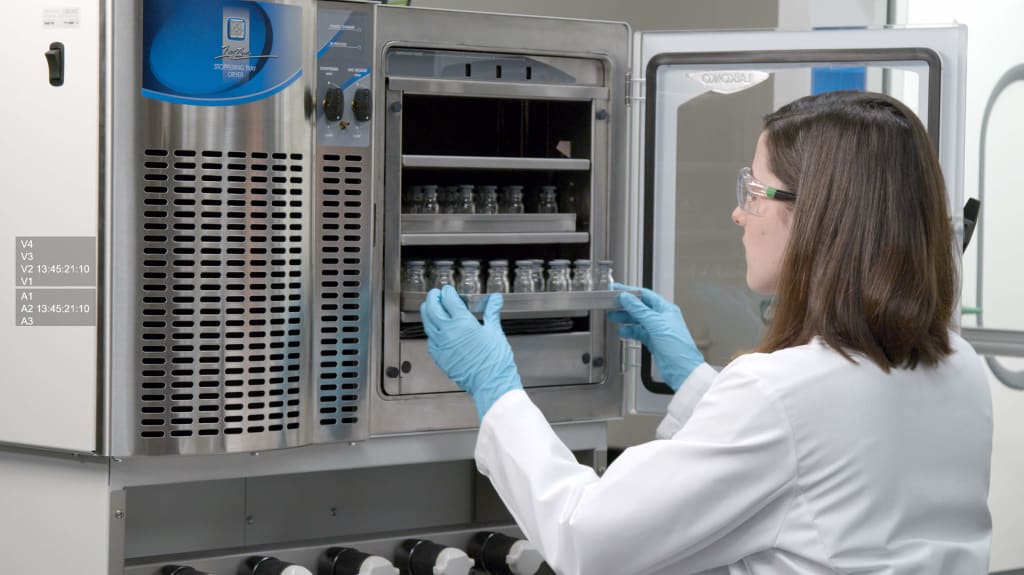
Freeze-drying, or lyophilization, stands as a cornerstone technology in preserving sensitive materials, from life-saving pharmaceuticals to nutrient-rich foods. This innovative process removes moisture from products at low temperatures, ensuring their stability, quality, and extended shelf life without compromising essential characteristics. As industries like pharmaceuticals, biotechnology, and food processing expand, demand for advanced freeze-drying equipment surges, driving a dynamic and rapidly evolving market. This blog dives deep into the freeze-drying equipment market, exploring its size, growth, key trends, applications, regulations, challenges, and future opportunities, offering a comprehensive outlook for 2025-2033.
Overview of the Freeze-Drying Equipment Market
Freeze-drying equipment removes water from perishable materials through sublimation, a process where frozen water transitions directly to vapor under low pressure. Unlike traditional drying methods that rely on high heat, freeze-drying preserves the structural integrity, nutritional value, and efficacy of sensitive products. This makes it indispensable across industries such as pharmaceuticals, food processing, and biotechnology. The market encompasses a range of equipment, from small-scale laboratory units to large industrial systems, tailored to meet diverse operational needs.
- Core Functionality: Freeze-drying involves freezing a product, reducing pressure, and applying controlled heat to sublimate ice, preserving product quality.
- Versatile Applications: Used in pharmaceuticals for vaccines and biologics, in food processing for shelf-stable snacks, and in biotechnology for preserving enzymes and cultures.
- Technological Advancements: Modern systems integrate automation, IoT-enabled monitoring, and energy-efficient designs to enhance performance.
- Global Reach: The market spans North America, Asia-Pacific, Europe, Latin America, and the Middle East & Africa, with varying regional demands.
Market Size & Growth
The global freeze-drying equipment market size was valued at USD 2.44 Billion in 2024. Looking forward, IMARC Group estimates the market to reach USD 4.49 Billion by 2033, exhibiting a CAGR of 6.30% during 2025-2033. Asia-Pacific currently dominates the market, holding a significant market share of 35.4% in 2024. This robust growth reflects increasing demand for high-quality preservation techniques across industries, driven by technological advancements and expanding applications.
- Pharmaceutical Boom: Rising demand for biologics, vaccines, and personalized medicines fuels market expansion, particularly in Asia-Pacific.
- Food Industry Growth: Growing consumer preference for shelf-stable, nutrient-rich foods drives adoption in food processing.
- Regional Dynamics: Asia-Pacific leads due to its pharmaceutical and food processing hubs, while North America and Europe follow with strong R&D investments.
- Economic Drivers: Urbanization, rising disposable incomes, and demand for convenience foods contribute to market growth.
Key Trends in the Freeze-Drying Equipment Market
The freeze-drying equipment market evolves rapidly, shaped by technological innovations, industry demands, and sustainability goals. Below are the most prominent trends defining the market’s trajectory:
Automation and IoT Integration
Automation transforms freeze-drying machinery through increased accuracy and reduced human error. Programmable logic controllers (PLCs) and touchscreen interfaces make operations more efficient, while IoT-based systems allow real-time monitoring and predictive maintenance. Intelligent sensors monitor key parameters such as temperature and pressure, optimizing drying conditions. In 2024, a Japanese pharmaceutical firm implemented IoT-enabled freeze dryers, minimizing downtime by 15% with predictive maintenance. This integration increases efficiency, enhances reliability, and enables data-driven decision-making in contemporary manufacturing environments.
Energy Efficiency and Sustainability
Freeze-drying's high energy requirement fuels calls for sustainable solutions. Manufacturers innovate sophisticated vacuum systems and low-energy refrigeration equipment to save on consumption. In 2023, a diagnostics firm in Canada replaced its equipment with energy-efficient freeze dryers, saving 165,000 kWh per year, or enough to power 15 homes. Such innovations decrease operating costs and conform to world sustainability targets, including the EU's Ecodesign Directive. Energy-efficient designs minimize environmental footprint, making freeze-drying more feasible for industries that prioritize greener processes.
Modular and Scalable Systems
Modular freeze-drying systems are flexible, serving both small-scale research and large-scale production. The systems allow for easy scaling without significant infrastructure adjustments. In 2024, a Chinese food processing company installed modular tray-style freeze dryers, increasing production capacity by 20% in its current facility. This scalability is attractive to industries looking for cost-effective growth options, enabling manufacturers to quickly respond to market needs while keeping efficiency and reducing capital investment.
Miniaturization for Research
Lab-scale, compact freeze dryers are becoming more critical in research and biotechnology applications, enabling small-batch manufacturing to meet the demands of clinical trials and customized medicine. The equipment provides efficiency and accuracy for niche applications. In 2024, a U.S. biopharma company used a compact freeze dryer to create a novel cell therapy, reducing processing time by 20% over conventional systems. Miniaturization makes innovation possible in niche niches, responding to increasing needs for customized, high-accuracy freeze-drying applications.
Emphasis on Cleanroom Compatibility
Pharmaceutical and biotech companies favor freeze dryers with cleanroom compatibility to satisfy rigorous Good Manufacturing Practices (GMP) requirements. Automated processes and closed systems reduce contamination risk while maintaining compliance with regulations. In 2024, a German pharmaceutical company implemented cleanroom-compatible freeze dryers, improving product safety and simplifying regulatory audits. These models feature sterile components and advanced automation, responding to the industry's demand for high hygiene levels and facilitating safe, high-quality production within controlled environments.
Industry Applications
Freeze-drying equipment serves a wide range of industries, each leveraging the technology’s ability to preserve sensitive materials. Below are the primary applications driving market demand:
Pharmaceuticals and Biotechnology
The pharmaceutical industry dominates the freeze-drying industry with its pivotal position in stabilizing biologics, vaccines, and injectables. Lyophilization maintains the potency of heat-sensitive ingredients such as proteins, enzymes, and monoclonal antibodies. In 2024, a large Indian pharma company increased its capacity for freeze-drying to accommodate increasing demand for lyophilized vaccines, triggered by post-COVID-19 requirements. Applications of biotechnology involve storing cell cultures and diagnostic reagents, where more than 30% of clinical trials depend on freeze-drying for assuring sample stability and facilitating new therapies.
Food Processing and Packaging
Freeze-drying of food saves the nutritional content, flavor, and texture of foods such as fruits, vegetables, and instant foods, satisfying consumer needs for healthy, shelf-stable foods. In 2024, an American food company introduced freeze-dried fruit snacks with 95% retention of original nutrients, targeting health-conscious markets. The method reduces shrinkage and shelf life, providing high-quality products. Increased demand for convenient, nutritious foods influences implementation of freeze-drying in food packaging markets.
Surgical Procedures and Biomedical Engineering
Freeze-drying plays a critical role in surgical use, maintaining tissues and biomaterials for transplantation and implantation. A European medical research institute, in 2024, used freeze-drying to preserve tissue grafts, increasing usability by as much as two years, improving surgical results. Lyophilization in biomedical engineering preserves enzymes and diagnostic reagents, providing consistent performance in medical equipment. Freeze-drying aids progress in regenerative medicine and diagnostics, enhancing the quality and availability of essential healthcare treatments.
Other Applications
Freeze-drying is applied to cosmetics, nutraceuticals, and agriculture, providing universal solutions. In cosmetics, it increases the stability of active ingredients such as vitamins, with a Japanese company introducing freeze-dried serums in 2024, increasing shelf life by 18 months. In nutraceuticals, freeze-drying enables shelf-stable probiotics and supplements. In agriculture, it helps conserve seeds and microbial cultures, facilitating sustainable agriculture. These varied applications illustrate freeze-drying's function in enhancing product longevity and quality in various industries.
Regulatory Landscape
The freeze-drying equipment market operates under stringent regulations, particularly in pharmaceuticals and food processing, to ensure product safety and efficacy. Key regulatory considerations include:
Good Manufacturing Practices (GMP)
Pharmaceutical freeze-drying equipment must adhere to stringent Good Manufacturing Practices (GMP) standards enforced by regulatory bodies like Japan’s Pharmaceuticals and Medical Devices Agency (PMDA) and the U.S. Food and Drug Administration (FDA). These standards require precise temperature control, uniform moisture removal, and rigorous process validation to ensure product safety and efficacy. Compliance involves regular equipment calibration and detailed documentation, enabling manufacturers to meet global quality benchmarks and maintain trust in pharmaceutical production processes.
Food Safety Regulations
Freeze-drying equipment in food processing must comply with strict regulations from authorities like the U.S. Food and Drug Administration (FDA) and the European Food Safety Authority (EFSA). These standards mandate hygienic design, contamination prevention, and consistent product quality. Equipment must feature easy-to-clean surfaces and robust sanitation protocols. In 2024, food processors upgraded systems to meet EFSA’s hygiene requirements, ensuring safe, high-quality freeze-dried products for consumers while avoiding costly regulatory penalties.
Environmental Standards
Sustainability regulations, such as the EU’s Ecodesign Directive, drive the adoption of energy-efficient freeze-drying equipment to minimize environmental impact. These standards encourage low-energy systems and eco-friendly materials to reduce carbon footprints. In 2024, manufacturers introduced freeze dryers with optimized refrigeration cycles, aligning with global sustainability goals. Compliance with such regulations not only meets legal requirements but also appeals to environmentally conscious markets, enhancing competitiveness in the freeze-drying industry.
Traceability and Validation
Regulatory bodies mandate traceable processes and documented compliance for freeze-drying equipment to ensure product integrity. Automated systems with real-time data logging are increasingly adopted to meet these requirements. In 2024, a U.S. pharmaceutical company implemented such systems, reducing FDA audit times by 30%. These technologies provide detailed records of temperature, pressure, and moisture levels, ensuring compliance with stringent validation standards and facilitating efficient regulatory inspections across pharmaceutical and food industries.
Compliance with these regulations drives innovation, as manufacturers develop equipment with advanced controls and cleanroom compatibility to meet evolving standards.
Challenges in the Freeze-Drying Equipment Market
Despite its growth, the freeze-drying equipment market faces several challenges that could hinder adoption and scalability:
High Initial and Operational Costs
Freeze-drying machinery requires large capital outlays, with sophisticated systems running into hundreds of thousands of dollars, creating a hurdle for small and medium-sized enterprises (SMEs). Steep operating expenses, such as power and maintenance, also stretch budgets. In 2024, a small American food processor postponed the replacement of its freeze-drying machinery because of excessive cost, limiting its competitiveness in high-end markets. This cost burden restricts market penetration and growth, especially for small companies that want to embrace sophisticated freeze-drying technology.
Energy Consumption
Freeze-drying is energy-intensive by nature, with vacuum systems and refrigeration taking a maximum of 15% of operating expenses. In high-energy cost regions or areas with poor infrastructure, this reflects heavily on profitability. Though manufacturers are designing low-energy systems to reduce costs, implementation is low due to the high capital requirements. Energy costs, in 2024, dissuaded numerous companies from installing new systems, and the industry needs inexpensive, low-energy solutions to make freeze-drying applicable across various markets and enhance long-term operational efficiency.
Skilled Workforce Shortage
Expert training is needed to operate advanced freeze-drying equipment, but a lack of qualified technicians impedes productivity. In 2024, a European biotech company lost 10% production because it did not have enough trained operators, causing output to be interrupted and costs to rise. That skills shortfall makes it crucial to have strong workforce development initiatives. When freeze-drying demand increases, industries need to invest in training to enable operators to handle complex systems with minimum downtime and keep productivity high in high-tech manufacturing operations.
Supply Chain Disruptions
Global supply chain issues such as inflation and raw material shortages affect production of freeze-drying equipment. A U.S. maker of the equipment experienced a 20% escalation in delivery times because of semiconductor shortages in 2024, slowing rollouts of the equipment. The disruptions slow market expansion, drive up costs, and impact scalability for end-users and manufacturers. Stabilizing the freeze-drying equipment market and responding to increasing global demand require countering supply chain weaknesses with diversified sourcing and localized manufacturing.
Competition from Alternative Drying Methods
Other drying technologies, including spray drying and vacuum drying, compete with freeze-drying because they are less expensive. In 2024, a food processing business chose spray drying to save money, lowering the demand for freeze-drying equipment in price-sensitive applications. Although freeze-drying provides higher quality for some products, its expense pushes other industries towards alternatives. Companies need to innovate to reduce costs and emphasize freeze-drying's special advantages to remain competitive against these less expensive drying processes.
Future Opportunities
The freeze-drying equipment market holds immense potential, driven by emerging opportunities across industries and regions:
Growth in Developing Regions
China and India in the Asia-Pacific region are a growth point for freeze dryers because of exploding drug manufacturing and food processing sectors. Domestic drug manufacturing is encouraged by government policies and growing consumer demand for convenience foods drives the use of equipment. Industrial freeze dryers were extensively invested in by a top Chinese drug firm in 2024 to boost biologics production, evidence of strong regional growth. Growing healthcare investments and wider food export markets also fuel demand, making Asia-Pacific a focus market for the application of freeze-drying technology advancements.
Personalized Medicine Advancements
Personalized medicine is revolutionizing healthcare, driving the need for lab-scale freeze dryers designed for small-batch manufacturing. Biotechnology companies working on cell and gene therapies need accurate lyophilization to maintain product stability. In 2024, a U.S. biotech firm used lab-scale freeze dryers to create a personalized cancer vaccine with success, indicating the potential of this niche. With growing momentum for tailored treatments, compact high-precision freeze-drying systems become necessary, facilitating innovation in customized therapy and fueling the changing reality of precision medicine.
Growth in Nutraceuticals and Cosmetics
The nutraceutical and beauty markets represent growth areas for freeze-drying technology based on demands for high-quality, stable products. As the global nutraceutical market is expected to expand at a CAGR of 6.5% by 2025, freezers dryer demand increases for the production of shelf-stable probiotics, vitamins, and skincare products. Freeze-drying increases product shelf life and strength, attracting health-conscious consumers. This opens the way for manufacturers to supply these growing markets with high-efficiency, specialized freeze-drying equipment.
Technological Innovations
Technological advancements in freeze-dry machines, including automation, AI, and energy-efficient technology, are transforming the industry. In 2024, a German company introduced a hybrid freeze dryer with AI-optimized process control, shaving 22% off cycle time. These technologies enhance efficiency, lower costs, and improve product quality, making systems more competitive. As R&D progresses, intelligent freeze dryers with real-time monitoring and predictive maintenance are becoming popular, counting on industries that need state-of-the-art solutions to address strict production requirements.
Sustainability Initiatives
Sustainability is an increasing concern in the freeze-drying sector, with producers giving value to eco-friendly designs so they can secure a competitive advantage. Energy-saving freeze dryers with recyclable parts comply with international environmental objectives, attracting investment from environmentally responsible companies. In 2024, a European food processor implemented a low-energy freeze dryer, cutting its carbon emission by 18%. These systems reduce costs of operation and address the pressure of regulatory compliance, pushing the demand for green technologies and further pushing innovation on sustainable freeze-drying solutions across industries.
Conclusion
The freeze-drying equipment market stands at the forefront of innovation, driven by its critical role in preserving sensitive materials across pharmaceuticals, food processing, and biotechnology. With a projected market size of USD 4.49 Billion by 2033, growing at a CAGR of 6.30%, the industry reflects robust demand fueled by technological advancements, regulatory compliance, and expanding applications. Key trends like automation, energy efficiency, and modular designs reshape the market, while challenges such as high costs and supply chain disruptions require strategic solutions. Future opportunities in emerging markets, personalized medicine, and sustainable technologies position the market for sustained growth. As industries continue to prioritize quality, shelf life, and sustainability, freeze-drying equipment will remain a vital tool, shaping the future of preservation across the globe.
About the Creator
Andrew Sullivan
Hello, I’m Andrew Sullivan. I have over 9+ years of experience as a market research specialist.
Keep reading
More stories from Andrew Sullivan and writers in Journal and other communities.
Smart Antenna Boom: $12.6B Market Forecast by 2033 Unveiled
Smart antennas are revolutionizing wireless communication, driving connectivity to new heights in an increasingly digital world. These advanced systems, capable of dynamically adjusting signal patterns, are becoming the backbone of modern networks, from 5G to IoT ecosystems. As industries embrace high-speed, reliable communication, the smart antenna market is poised for explosive growth. This blog post dives deep into the market’s size, share, trends, applications, regulations, challenges, and future opportunities, offering a comprehensive guide to this transformative technology from 2025 to 2033.
By Andrew Sullivan8 months ago in Journal



Comments
There are no comments for this story
Be the first to respond and start the conversation.