
Unlocking the Benefits of Moisturizer Cream
A Comprehensive Guide to Achieving Healthy, Hydrated Skin
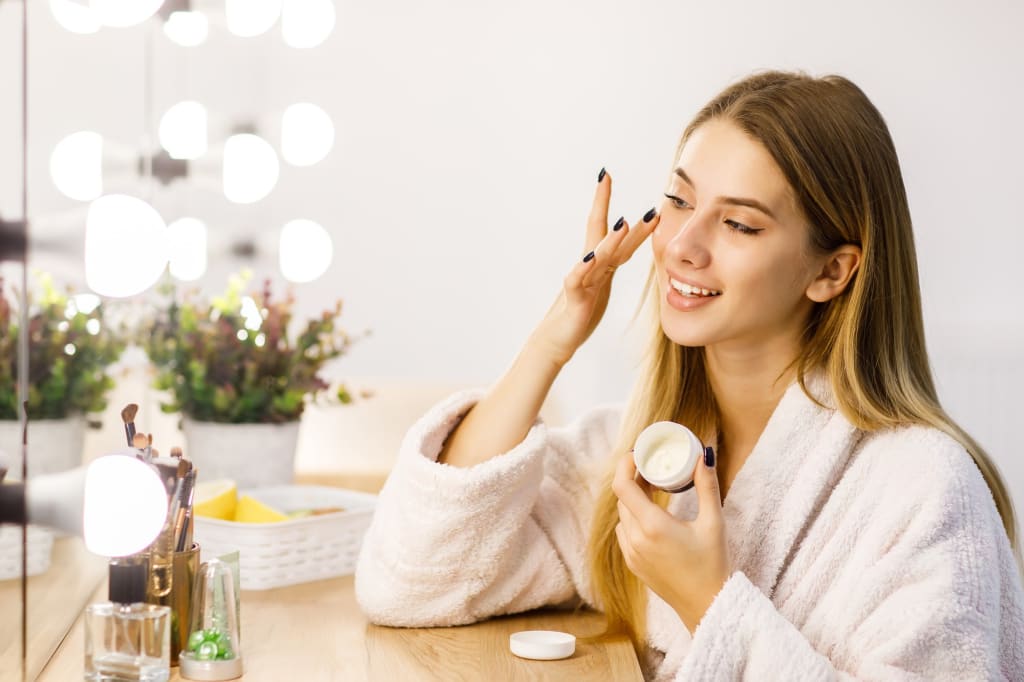
Healthy, hydrated skin is a reflection of overall well-being. The key to achieving and maintaining healthy skin lies in proper skin care practices, and one of the most crucial steps is moisturizing. Moisturizer cream is a versatile product that helps replenish and retain moisture in the skin, resulting in a soft, supple, and youthful complexion. In this comprehensive guide, we will explore the benefits of moisturizer cream and provide valuable insights into incorporating it into your skincare routine.
Understanding Skin Hydration
Before delving into the benefits of moisturizer cream, it is essential to understand the concept of skin hydration. The outermost layer of our skin, known as the stratum corneum, acts as a protective barrier against external elements. However, this barrier can become compromised, leading to moisture loss. Factors such as harsh weather conditions, pollution, aging, and certain skincare products can disrupt the skin's natural hydration levels. Moisturizer cream works to replenish and restore moisture, reinforcing the skin's barrier function and promoting optimal hydration.
The Role of Moisturizer Cream in Skin Health
Moisturizer cream plays a vital role in maintaining skin health. Here are some key benefits it provides:
Restoring Moisture Balance
Moisturizer cream helps replenish the skin's moisture levels, preventing dryness and dehydration. By forming a protective barrier, it locks in moisture and prevents water loss, keeping the skin hydrated throughout the day.
Nourishing and Soothing the Skin
Many moisturizer creams contain nourishing ingredients like vitamins, antioxidants, and botanical extracts. These ingredients provide essential nutrients to the skin, promoting its overall health and radiance. Additionally, moisturizer creams with soothing properties can help calm and alleviate skin irritation or redness.
Enhancing Skin Elasticity and Firmness
Regular use of moisturizer cream can improve skin elasticity and firmness. By providing the necessary hydration, it helps minimize the appearance of fine lines and wrinkles, keeping the skin supple and youthful.
Choosing the Right Moisturizer Cream for Your Skin Type
Selecting the appropriate moisturizer cream for your skin type is crucial to maximize its benefits. Different skin types require specific formulations to address their unique needs. Here are some guidelines to consider when choosing a moisturizer cream:
Dry Skin
If you have dry skin, opt for a rich and emollient moisturizer cream that contains hydrating ingredients such as hyaluronic acid, shea butter, or ceramides. These ingredients help to replenish moisture and create a protective barrier on the skin's surface.
Oily or Acne-Prone Skin
For oily or acne-prone skin, choose a lightweight, oil-free, and non-comedogenic moisturizer cream. Look for ingredients like salicylic acid or tea tree oil, which can help control excess oil production and prevent breakouts.
Combination Skin
If you have combination skin, where certain areas are oily and others are dry, consider using different moisturizer creams for specific areas. A lightweight, oil-free formula for the oily areas and a more nourishing cream for the dry areas can help maintain a balanced complexion.
Sensitive Skin
Individuals with sensitive skin should opt for fragrance-free and hypoallergenic moisturizer creams. Look for soothing ingredients like aloe vera, chamomile, or oat extract, which can help calm and protect sensitive skin.
How to Apply Moisturizer Cream Effectively
To reap the full benefits of moisturizer cream, proper application techniques are essential. Follow these steps for effective moisturizer cream application:
Cleanse Your Face
Start by cleansing your face with a gentle cleanser to remove any dirt, oil, or impurities.
Prep Your Skin
If you use toner or serum in your skincare routine, apply them before moisturizer cream. These products help prime the skin and enhance the absorption of moisturizer.
Take an Appropriate Amount
Dispense an appropriate amount of moisturizer cream onto your fingertips. A pea-sized amount is generally sufficient for the face and neck area.
Warm the Product
Rub the moisturizer cream between your fingertips to warm it up slightly. This allows for better spreadability and absorption.
Apply in Gentle Upward Motions
Using gentle upward motions, apply the moisturizer cream to your face and neck. Focus on areas that require extra hydration or are prone to dryness, such as the cheeks or forehead.
Allow for Absorption
Give the moisturizer cream a few minutes to absorb into the skin before proceeding with makeup application or exposure to the sun or harsh elements.
Morning and Nighttime Skincare Routine
Incorporating moisturizer cream into both your morning and nighttime skincare routines is essential for maintaining healthy, hydrated skin. Here's a suggested routine:
Morning Skincare Routine
- Cleanse your face with a gentle cleanser.
- Apply toner to balance the skin's pH levels.
- Apply a lightweight moisturizer cream with SPF to protect against sun damage.
- If desired, follow with makeup application.
Nighttime Skincare Routine
- Remove makeup and cleanse your face thoroughly.
- Apply toner to remove any remaining traces of impurities.
- Apply a nourishing and hydrating moisturizer cream suitable for your skin type.
- Consider adding a night cream or serum for added hydration and anti-aging benefits.
Additional Tips for Maintaining Hydrated Skin
In addition to using moisturizer cream, here are some extra tips to maintain hydrated skin:
Stay Hydrated from Within
Drink an adequate amount of water throughout the day to keep your body and skin hydrated. Hydration starts from within, and water helps to flush out toxins and promote healthy skin.
Use a Humidifier
If you live in a dry climate or spend a lot of time in air-conditioned or heated environments, consider using a humidifier. It adds moisture to the air, preventing excessive drying of the skin.
Avoid Hot Showers and Baths
Hot water can strip the skin of its natural oils, leading to dryness. Opt for lukewarm water instead and limit your bathing time to prevent moisture loss.
Protect Your Skin from the Sun
UV rays can cause damage to the skin and accelerate moisture loss. Apply a broad-spectrum sunscreen with at least SPF 30 daily, even on cloudy days, to protect your skin from harmful sun exposure.
Limit Exfoliation
While exfoliating can remove dead skin cells and promote a healthy glow, overdoing it can strip away essential moisture. Limit exfoliation to once or twice a week and choose gentle exfoliants that won't cause irritation or dryness.
Debunking Common Myths about Moisturizer Creams
There are several misconceptions surrounding moisturizer creams. Let's debunk some common myths:
Moisturizer Creams Make Your Skin Greasy
When applied correctly and using the appropriate product for your skin type, moisturizer creams should not leave your skin greasy. Look for lightweight formulas or oil-free options if you have oily skin.
Moisturizer Creams Can Cause Acne Breakouts
Contrary to popular belief, moisturizer creams do not directly cause acne breakouts. In fact, they can help balance oil production and prevent skin dryness, which can contribute to acne. Look for non-comedogenic products to minimize the risk of clogged pores.
The Connection between Moisturizer Cream and Anti-Aging
Moisturizer cream plays a crucial role in anti-aging skincare. By keeping the skin hydrated and nourished, it helps minimize the appearance of fine lines, wrinkles, and sagging. Look for moisturizer creams that contain anti-aging ingredients like retinol, peptides, or antioxidants for enhanced anti-aging benefits.
Moisturizer Cream for Different Seasons
As the seasons change, so do the needs of your skin. Adjusting your moisturizer cream accordingly can help address seasonal concerns. For example:
Winter
In colder months, opt for richer and more emollient moisturizer creams to combat dryness caused by harsh winds and low humidity.
Summer
During hot and humid summers, switch to lightweight and oil-free moisturizer creams that won't feel heavy on the skin.
Transitional Seasons
During spring and fall, choose moisturizer creams that provide a balance of hydration and lightness, adapting to the changing weather conditions.
The Benefits of Natural and Organic Moisturizer Creams
Natural and organic moisturizer creams offer several benefits for your skin and overall well-being:
Fewer Chemicals
Natural and organic moisturizer creams typically contain fewer synthetic chemicals, making them gentler on the skin and reducing the risk of irritation or allergic reactions.
Nourishing Ingredients
These creams often contain plant-based ingredients that provide essential vitamins, antioxidants, and fatty acids to nourish and protect the skin.
Environmentally Friendly
Choosing natural and organic moisturizer creams supports sustainable practices and reduces the environmental impact associated with conventional skincare products.
Common Ingredients in Moisturizer Creams and Their Benefits
Moisturizer creams contain various beneficial ingredients. Here are some common ones and their benefits:
Hyaluronic Acid
Hyaluronic acid is a powerful humectant that attracts and retains moisture in the skin, promoting hydration and plumpness.
Shea Butter
Shea butter is a rich emollient that deeply moisturizes and softens the skin, providing intense hydration and nourishment.
Aloe Vera
Aloe vera has soothing and hydrating properties that help calm and moisturize the skin, making it suitable for sensitive or irritated skin.
Vitamin E
Vitamin E is an antioxidant that protects the skin from free radicals and helps retain moisture, promoting a youthful and healthy complexion.
Overcoming Common Challenges with Moisturizer Creams
Sometimes, challenges may arise when using moisturizer creams. Here's how to overcome them:
Product Allergies or Sensitivities
If you experience allergies or sensitivities to certain ingredients, opt for hypoallergenic or fragrance-free moisturizer creams. Patch testing new products is also recommended.
Finding the Right Formula
Trial and error may be required to find the perfect moisturizer cream for your skin type. Consider seeking recommendations from skincare professionals or trying sample sizes before committing to a full-sized product.
Adjusting to Seasonal Changes
As mentioned earlier, adapt your moisturizer cream according to seasonal changes. Listen to your skin's needs and make necessary adjustments to maintain optimal hydration throughout the year.
Conclusion
Moisturizer cream is an essential component of a healthy skincare routine. Its benefits extend beyond simple hydration, encompassing nourishment, protection, and anti-aging properties. By choosing the right moisturizer cream for your skin type, following proper application techniques, and incorporating it into your daily skincare routine, you can unlock the benefits of healthy, hydrated skin.
About the Creator
Keep reading
More stories from Srishti Mishra and writers in Journal and other communities.
The Benefits and Risks of Surgical Keloid Removal
Keloids are raised, thickened scars that form due to an overgrowth of collagen during the healing process of a wound. Unlike regular scars, keloids extend beyond the boundaries of the original injury and can be disfiguring and uncomfortable. While keloids can develop anywhere on the body, they commonly occur on the chest, shoulders, earlobes, and back. Surgical keloid removal is one of the treatment options available to individuals seeking relief from the physical and emotional impact of keloids.
By Srishti Mishra3 years ago in Education
~ Fired ~
— Ai Intrusion ~ Are you Next ~ Is Ai Evolution after your job? — Few workplaces haven't been affected. Ai is in supermarkets, at doctors' offices, and even monitoring farms. I just can't think of anything this machine is not getting into, can you? For instance: Education ~ Law and Tech jobs will one day have a major influence or be taken over by these inanimate machines, with accuracy and vigor. From mechanics' diagnoses to a wide variety of everyday jobs, including fast food workers, with this input having the ability to cut their unnecessary work hours. I'm certain all of us have been touched by this with our short stories and colorful headings, have you? Even comments are very questionable 'Non-Robot' insertions.
By Jay Kantor9 days ago in Journal
Elon Musk Merges SpaceX With xAI at $1.25tn Valuation
In a development that has captured global attention, Elon Musk has reportedly merged SpaceX with artificial intelligence company xAI in a deal valuing the combined entity at approximately $1.25 trillion. If confirmed and fully implemented, the merger would represent one of the most significant corporate integrations in modern technology history, combining advanced space exploration capabilities with cutting-edge artificial intelligence development.
By Aarif Lashari7 days ago in Journal
The Lesions of Devotion
Every day I set myself down on the freshly cut lawn and strip myself bare. I take my guitar and finger the frets and pick at the strings, listening for dissonance. My life is dissonance. I twist the tuning pegs until each string sounds bright. Then I kneel, calves pointing behind me, kneecaps facing forward. All exposed to the breeze. I close my eyes and play the melody.
By Paul Stewart3 days ago in Fiction


Comments
There are no comments for this story
Be the first to respond and start the conversation.