
Elon Musk Merges SpaceX With xAI at $1.25tn Valuation
Landmark move could reshape space technology and artificial intelligence industries
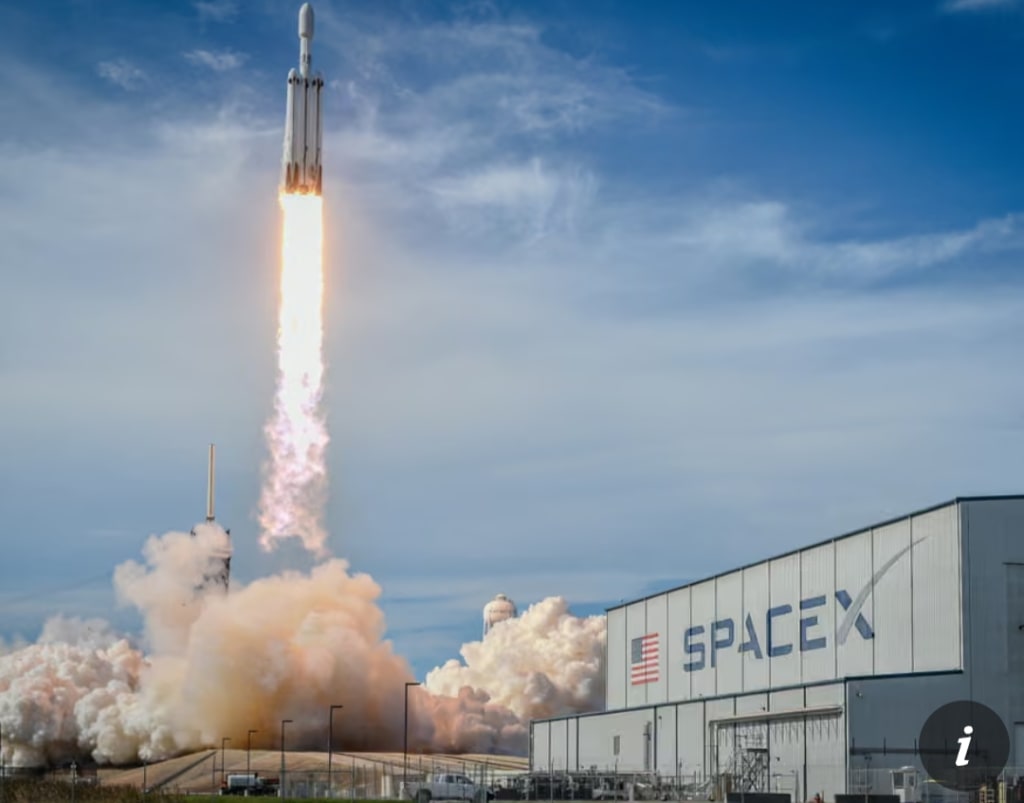
In a development that has captured global attention, Elon Musk has reportedly merged SpaceX with artificial intelligence company xAI in a deal valuing the combined entity at approximately $1.25 trillion. If confirmed and fully implemented, the merger would represent one of the most significant corporate integrations in modern technology history, combining advanced space exploration capabilities with cutting-edge artificial intelligence development.
The move reflects Musk’s long-standing vision of integrating advanced AI systems into space exploration, satellite infrastructure, and future interplanetary missions. It also highlights growing global competition in both the AI and aerospace sectors.
Understanding SpaceX and xAI
SpaceX, founded in 2002, is one of the world’s leading private space companies. It has revolutionized the space industry through reusable rocket technology, satellite deployment systems, and commercial space launch services.
SpaceX is known for:
Falcon rocket launch systems
Starlink global satellite internet network
Starship deep space transport development
Partnerships with NASA and commercial clients
xAI, on the other hand, is focused on developing advanced artificial intelligence systems aimed at solving complex global and scientific challenges. The company has positioned itself as a major competitor in the fast-growing AI industry.
Why the Merger Is Significant
The combination of space technology and advanced AI could create powerful new technological capabilities. Analysts believe AI could dramatically improve space mission planning, autonomous spacecraft navigation, and real-time satellite data processing.
Potential benefits of integration include:
Smarter satellite networks
AI-driven spacecraft decision-making
Faster data analysis from space-based sensors
Improved space mission automation
The merger also signals growing convergence between physical infrastructure industries and software-driven intelligence systems.
The $1.25 Trillion Valuation
A $1.25 trillion valuation places the merged company among the world’s most valuable corporate entities. The valuation likely reflects both companies’ future growth potential rather than current revenue alone.
Factors influencing such valuation could include:
SpaceX’s dominance in commercial launch services
Starlink’s expanding global subscriber base
AI’s rapid commercial and enterprise growth
Government and defense contract opportunities
Large valuations in technology sectors often reflect long-term innovation potential.
Strategic Vision: AI-Powered Space Exploration
Elon Musk has frequently discussed the importance of advanced automation for future Mars missions and deep space exploration. AI could play a crucial role in managing long-duration missions where real-time human control is impossible.
Possible future applications include:
Autonomous spacecraft navigation
Predictive maintenance for space vehicles
AI-assisted scientific discovery in space
Smart satellite constellation management
Such capabilities could reduce mission risk and improve operational efficiency.
Impact on the Global AI Industry
The merger could intensify competition among major AI developers. Companies developing advanced machine learning systems are racing to dominate sectors such as cloud computing, automation, and scientific research.
If xAI gains access to SpaceX infrastructure, it could:
Train AI models using space-collected data
Develop advanced simulation environments
Expand AI use in defense and satellite intelligence
The move could reshape competitive dynamics in global AI markets.
Impact on the Space Industry
The space industry has shifted dramatically over the past decade, with private companies playing larger roles alongside government agencies.
The merger could:
Accelerate innovation in launch systems
Improve satellite network intelligence
Strengthen private space industry dominance
Attract new investment into space technology
Private-public partnerships could also expand further as governments seek advanced space capabilities.
Investor and Market Reactions
Major technology and defense investors are likely to closely monitor developments. Large mergers often influence stock markets, venture capital investment trends, and startup ecosystems.
Possible financial impacts include:
Increased funding for space and AI startups
Higher valuations across the tech sector
Greater focus on dual-use technologies (civilian and defense)
Large mergers often signal shifts in investment priorities.
Potential Challenges and Risks
Despite excitement, the merger could face challenges, including:
Regulatory scrutiny
National security concerns
Integration complexity between industries
Talent and resource allocation
Governments often closely monitor large mergers involving strategic technologies like AI and aerospace.
Global Strategic and Political Implications
Technology leadership is increasingly tied to geopolitical influence. The merger could influence global technology competition, particularly among major global powers investing heavily in AI and space capabilities.
Strategic implications may include:
Increased global technology competition
Expansion of private sector influence in defense technology
Changes in international space cooperation
Technology companies are becoming key players in global strategic infrastructure.
What Happens Next?
If the merger proceeds, next steps could include:
Regulatory approvals in multiple countries
Technology integration planning
Expansion of joint research programs
New commercial and government contracts
Full integration could take years depending on technical and regulatory complexity.
Why This Moment Matters
The potential merger represents a broader shift toward integrated mega-technology companies combining multiple advanced fields. The future of innovation may increasingly rely on combining AI, space infrastructure, robotics, and advanced computing.
This could shape:
Global communications
Scientific discovery
Defense technology
Climate monitoring
Space colonization efforts
Conclusion
The reported merger between SpaceX and xAI at a $1.25 trillion valuation could mark a historic turning point in both the space and artificial intelligence industries. By combining advanced space infrastructure with cutting-edge AI development, the new entity could redefine how technology is used both on Earth and beyond.
While regulatory, technical, and geopolitical challenges remain, the merger signals the growing importance of integrated technological ecosystems in shaping the future global economy. If successful, the combined company could become one of the most influential technology organizations of the 21st century.
About the Creator
Keep reading
More stories from Aarif Lashari and writers in Journal and other communities.
Businesses Join Forces to Debate Future of Tourism
As the global tourism industry continues to evolve following years of disruption, businesses across travel, hospitality, transport, and technology sectors are joining forces to debate and shape the future of tourism. From sustainability goals to digital transformation and changing traveler expectations, industry leaders are increasingly recognizing that collaboration — rather than competition alone — is key to long-term success.
By Aarif Lasharia day ago in Journal
~ Fired ~
— Ai Intrusion ~ Are you Next ~ Is Ai Evolution after your job? — Few workplaces haven't been affected. Ai is in supermarkets, at doctors' offices, and even monitoring farms. I just can't think of anything this machine is not getting into, can you? For instance: Education ~ Law and Tech jobs will one day have a major influence or be taken over by these inanimate machines, with accuracy and vigor. From mechanics' diagnoses to a wide variety of everyday jobs, including fast food workers, with this input having the ability to cut their unnecessary work hours. I'm certain all of us have been touched by this with our short stories and colorful headings, have you? Even comments are very questionable 'Non-Robot' insertions.
By Jay Kantor3 days ago in Journal
What data reveals about the average profit margins for rehab centers in 2025
Market Context for Rehab Center Economics in 2025 The rehabilitation industry in 2025 operates within a complex economic lattice shaped by rising demand for behavioral health services, heightened public awareness, and evolving reimbursement frameworks. Data indicates sustained utilization growth, yet profitability remains uneven. Operators face a paradoxical environment where patient volumes increase while operational intensity deepens. This context frames all margin analysis, as macroeconomic conditions, labor markets, and payer scrutiny collectively exert pressure on financial performance.
By Fida Hassaina day ago in Journal


Comments
There are no comments for this story
Be the first to respond and start the conversation.