
The Benefits and Risks of Surgical Keloid Removal
Surgical keloid removal is one of the treatment options available to individuals seeking relief from the physical and emotional impact of keloids.
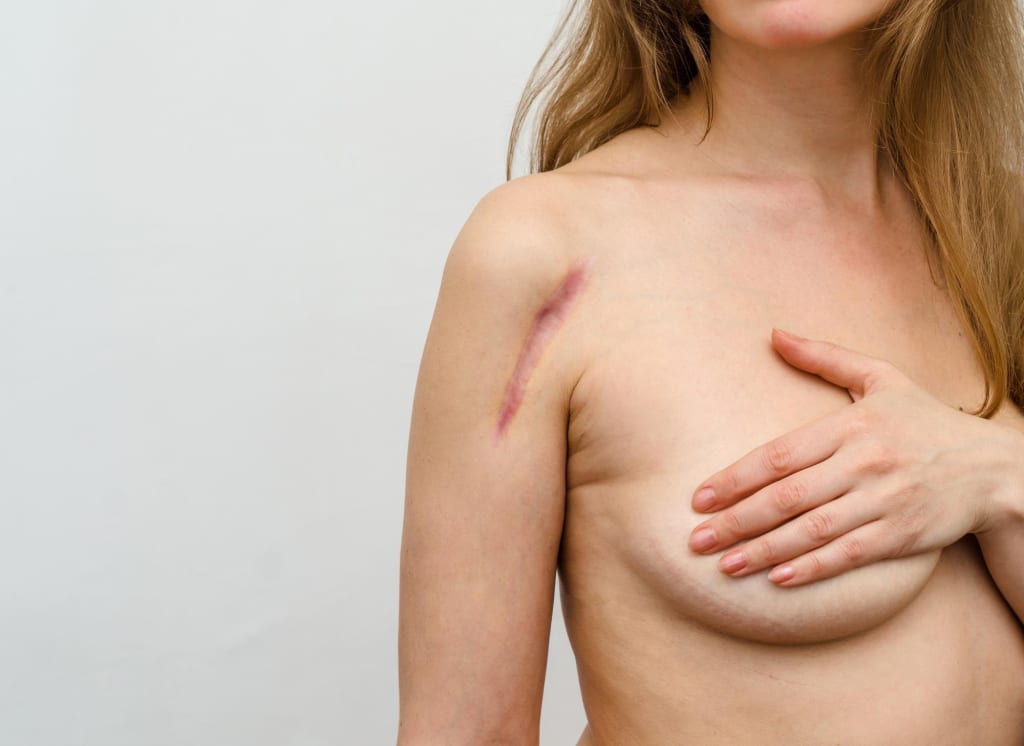
Keloids are raised, thickened scars that form due to an overgrowth of collagen during the healing process of a wound. Unlike regular scars, keloids extend beyond the boundaries of the original injury and can be disfiguring and uncomfortable. While keloids can develop anywhere on the body, they commonly occur on the chest, shoulders, earlobes, and back. Surgical keloid removal is one of the treatment options available to individuals seeking relief from the physical and emotional impact of keloids.
What is Surgical Keloid Removal?
Keloid removal surgery, also known as keloid excision, is a procedure performed by a qualified surgeon to remove keloids surgically. The goal is to eliminate the keloid and promote healthy skin healing in the affected area. This procedure involves cutting out the keloid and closing the incision with sutures.
The Benefits of Surgical Keloid Removal
Permanent Removal of Keloids
One of the primary benefits of surgical keloid removal is the potential for permanent removal of the keloid. By completely excising the keloid from the skin, the chances of its recurrence are significantly reduced compared to non-surgical treatments.
Improved Aesthetics and Confidence
Surgical keloid removal can help improve the aesthetics of the affected area, especially when keloids are prominent or cause self-consciousness. By removing the keloid, the surgeon aims to create a flatter, smoother scar that blends better with the surrounding skin, enhancing the individual's appearance and boosting self-confidence.
Potential Relief from Symptoms
keloids symptoms can sometimes cause discomfort, itching, and pain. Surgical removal can provide relief from these symptoms by eliminating the source of irritation. This can significantly improve the quality of life for individuals affected by keloids.
The Risks of Surgical Keloid Removal
Recurrence of Keloids
Although surgical keloid removal aims to prevent the recurrence of keloids, there is still a small chance that new keloids may develop at the site of the excision. Factors such as genetics, skin type, and wound healing process can contribute to the likelihood of keloid recurrence.
Surgical Complications
Like any surgical procedure, keloid removal carries certain risks. These include infection, bleeding, adverse reactions to anesthesia, poor wound healing, and hypertrophic scar formation. It is essential to consult with a qualified surgeon to assess the individual's suitability for the procedure and discuss potential risks.
Postoperative Scarring
While surgical removal can improve the appearance of keloids, there is still a possibility of postoperative scarring. The extent of scarring depends on various factors, including the size and location of the keloid, the surgical technique used, and the individual's unique healing process. It is crucial to have realistic expectations and discuss scarring concerns with the surgeon before undergoing the procedure.
Preparing for Surgical Keloid Removal
Consultation with a Qualified Surgeon
Before undergoing surgical keloid removal, it is crucial to schedule a consultation with a qualified and experienced surgeon. During this consultation, the surgeon will evaluate the keloid, discuss the individual's medical history, and determine if surgical removal is the most suitable option.
Medical Evaluation and Preparation
The surgeon may order additional tests or evaluations to ensure the individual is in good health for the procedure. This may include blood tests, allergy screenings, or imaging studies. Following the surgeon's instructions regarding preoperative preparation, such as avoiding certain medications or substances, is essential for a safe and successful surgery.
Understanding the Procedure and Recovery
The surgeon will explain the surgical keloid removal process, including the expected duration, the type of anesthesia used, and the postoperative care required. Understanding the recovery process, such as wound care instructions, activity restrictions, and follow-up appointments, is crucial for optimal healing and results.
The Surgical Keloid Removal Process
Anesthesia and Incision
During the surgical keloid removal procedure, the individual will receive appropriate anesthesia to ensure comfort throughout the process. The surgeon will make an incision around the keloid, carefully removing the excess scar tissue.
Keloid Excision and Closure Techniques
After excising the keloid, the surgeon will close the incision using sutures. The technique used for closure may vary based on the size and location of the keloid. The surgeon will aim to create a well-approximated, neat closure to minimize scarring.
Postoperative Care and Follow-up
Following the procedure, the individual will receive specific instructions on wound care and postoperative care. This may include the use of topical ointments, dressings, and gentle cleansing techniques. Regular follow-up appointments will be scheduled to monitor the healing process and address any concerns.
Alternatives to Surgical Keloid Removal
Corticosteroid Injections
Corticosteroid injections involve injecting a medication directly into the keloid to reduce its size and symptoms. This non-surgical option is often used for smaller keloids or as a complementary treatment alongside surgical removal.
Silicone Gel Sheets
Silicone gel sheets are a non-invasive approach to managing keloids. These sheets are applied to the keloid site to flatten and soften the scar over time. They can be particularly useful for individuals who have a higher risk of keloid recurrence or prefer non-surgical options.
Laser Therapy
Laser therapy utilizes specific wavelengths of light to target and reduce the size of keloids. This non-invasive treatment option can help improve the appearance of keloids and relieve associated symptoms. Multiple sessions may be required for optimal results.
Conclusion
Surgical keloid removal offers several benefits, including permanent removal of keloids, improved aesthetics, and potential relief from symptoms. However, it is important to consider the risks involved, such as keloid recurrence, surgical complications, and postoperative scarring. Consulting with a qualified surgeon, understanding the procedure, and following postoperative care instructions are essential for successful outcomes. Additionally, alternative treatment options, including corticosteroid injections, silicone gel sheets, and laser therapy, can be considered based on individual circumstances. If you are struggling with keloids, it is recommended to seek professional advice to determine the most appropriate course of action.
About the Creator
Keep reading
More stories from Srishti Mishra and writers in Education and other communities.
How to Choose the Right Moisturizer for Your Dry Skin Type
When it comes to taking care of your skin, choosing the right moisturizer is essential, especially if you have dry skin. Dry skin can feel tight, flaky, and uncomfortable, and it requires extra care and hydration. With so many moisturizers available on the market, finding the one that suits your dry skin type can be overwhelming. In this article, we will guide you through the process of choosing the right moisturizer to keep your skin healthy, hydrated, and glowing.
By Srishti Mishra3 years ago in Education
How Teaching Builds the Foundation for Stronger Professional Identity
Teaching others can significantly strengthen your professional identity, as it requires you to articulate what you know clearly. When you break down complex information into understandable steps, you sharpen your own mastery of the subject. This process forces you to analyze your assumptions, refine your explanations, and confirm the accuracy of your knowledge. As a result, you develop a more profound sense of confidence and clarity in your field. In these early stages of instructing others, the importance of professional skill-building becomes undeniably evident.
By Michael Gastinela day ago in Education
How to Hire and Scale a Dedicated Development Team the Right Way
The rapid evolution of today’s digital world reaches a point where expanding businesses and agencies require more than their current in-house staff to meet delivery standards and manage complicated product development plans and handle staff shortages. A dedicated development team provides organizations with operational advantages because it delivers faster development processes together with dependable performance and flexible growth capabilities which eliminate the need for extended recruitment processes and traditional hiring procedures.
By Sania Wilkinson4 days ago in Education




Comments
There are no comments for this story
Be the first to respond and start the conversation.