
"Unlock the Hidden Power of Media Representation: How It Transforms Your Identity and Sense of Belonging"
"Unlock the Hidden Power of Media Representation: Exploring Its Impact on Identity and Cultivating a Stronger Sense of Belonging"

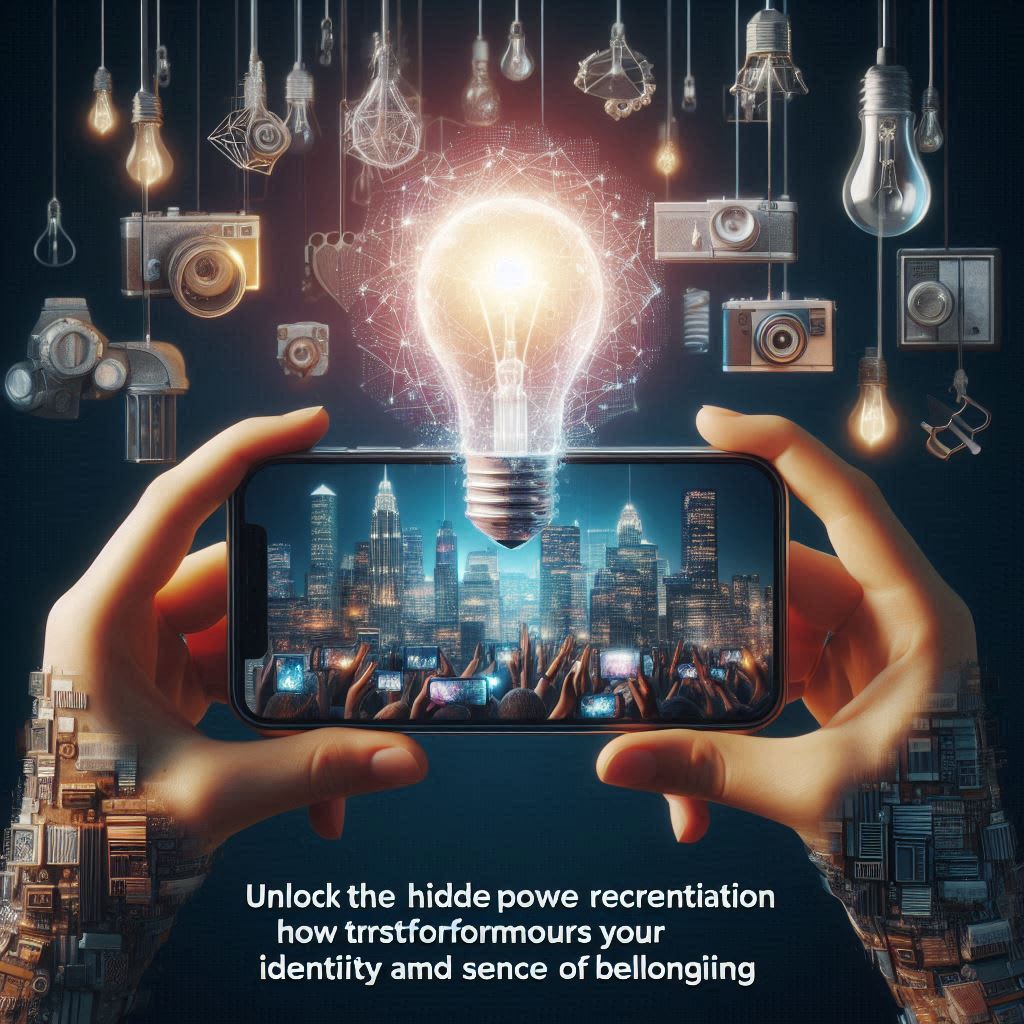
How media represents us greatly influences our identity and our connection to belonging. In our consumption of television programs, movies, news, and digital materials, we do more than enjoy or know; we are gently affected by the characters, the narratives, and the visuals we see. This article investigates the important effects that media representations have on identity formation and examines how cultural illustrations in the media shape collective feelings of belonging.
The influence of media representation on the development of identity.
The Depiction of Identity in the Media
Society sees itself in the media, which reflects both human experience diversity and the ways individuals conceptualize themselves. There is a strong relationship between media representation and identity—people generally try to find stories and characters they identify with, reflecting their individual lives and hardships. When media show people authentically, it helps them feel worthy and connected to themselves and others. Differently, shoddy or stereotypical representation can disrupt one’s view of themselves.
The 21st century has made diversity and authentic representation important, sensitive subjects in the world of media. The demand for media that accurately reflects the experiences of all demographics—male and female, of all races, sexual orientations, and socio-economic backgrounds—is what’s driving this transformation.
Cultural Representation in Media: The Power of Visibility
Media representation of culture is significant in achieving inclusivity. Showing diverse cultures with accuracy and respect broadens viewers' awareness and respect for different experiences. Movies such as Black Panther and Crazy Rich Asians have recently been praised for their rich cultural representation that celebrates ancestry, all while breaking free of traditional biases.
These illustrations exceed entertainment—they act as transport for social change. When communities that are underrepresented see themselves represented in an uplifting manner, it confirms their position in society and strengthens a larger cultural pride. As a result, people from outside these communities become aware of different cultures, which enhances both empathy and cultural interchange.
Culture in Pop and the Shaping of Identity
The effect of pop culture and identity development is extremely important. The way we see both ourselves and our surroundings is impacted by pop culture, represented by both famous movie characters and important musicians. Beyoncé, who is known for her involvement with themes of race, gender, and power in her output, has turned into an essential figure whose work engenders dialogues about self-expression and identity.
Moreover, pop culture's representation of gender roles has been important in opposing classic expectations. Network shows like Orange Is the New Black and RuPaul's Drag Race have garnered high marks for illustrating LGBTQ+ identities, leading to broader acceptance of communities.
How Media Builds a Connection of Belonging
Representation can create a sense of community thanks to the special power of media. Seeing reflections of yourself in stories, music, or art, can lead to a connection with others. Media representation, encompassing films, television shows, and advertisements, provides an opportunity for people to form bonds with others with like backgrounds or experiences.
In the digital landscape, social media sites have grown into an even stronger mechanism regarding this issue. As traditional media often fails to represent them, online groups centered on shared identities or interests help individuals achieve a sense of belonging. For example, #RepresentationMatters has created a platform for dialogues about how important visibility is in media, enabling marginalized individuals to raise their concerns.
The Influence of Media Expression on Society
Positive and Negative Effects
The effects of media representation can either strengthen or weaken, contingent upon how well the representation is done. Positive representation helps create better understanding, inclusivity, and empathy. Failure by the media to either maintain stereotypes or to represent specific demographics can reinforce deleterious perceptions or exacerbate the marginalization of already marginalized groups.
A research study from the American Psychological Association indicated that those who belong to minority groups and watch programs with diverse and positive representations of their ethnicity tend to have greater self-esteem than their peers who experience limited or negative media images. This points to the effect media has on our interpretation of ourselves and of others.
Case Study: The function of media within the Black Lives Matter Movement
The media played a memorable role in shaping identity and belonging about the rise of the Black Lives Matter (BLM) movement. Sharing of media depicting police violence against Black individuals has proved to be important in shaping both public opinion and awareness of racial injustice issues.
The attention from the media regarding BLM not only magnified the visibility of the movement but also brought attention to the persistent struggle for racial equity. Consequently, a large portion of Black people experienced a shared sense of identity and empowerment because of the way the media showcased their stories, energizing an international movement for evolution.
The Future of How Media Represents
As the narrative around media representation evolves, the spotlight is moving towards representations that are both inclusive and authentic of diverse identities. Both producers and directors are progressively understanding the social obligation they hold in producing stories that illustrate the multifaceted challenges of contemporary life.
Platforms such as Netflix, Hulu, and Disney+ are driving forward by commissioning and sharing content that emphasizes the stories of underserved populations. To shape the future of media representation, we must understand the vast array of experiences and confirm that everyone can observe themselves in the media they access.
Conclusion: Why Representation Matters
The value of media representation is highly significant. Through its effect on shaping our identities and delivering a sense of connection, media influences our visualization of self and the exterior world. A positive, real representation enhances personal self-perceptions and supports greater societal understanding along with inclusion.
Call to Action
It is important, when working to improve representation, to support a variety of media content actively by looking for and backing shows, films, and digital content that highlight the histories of underrepresented groups. When we do this, we help to create a media space that champions all identities and experiences, which fosters a world that is more inclusive and connected.
About the Creator
Keep reading
More stories from Mohammad Zahidul Islam and writers in Journal and other communities.
The Power of Media Representation: A Personal Journey Toward Identity and Belonging
Our views of the world and our understanding of self are significantly shaped by media. As our world continues to connect, the correlation between media representation and identity construction is strong. Resonant media effectively reflects a myriad of diverse cultures, identities, and experiences, which strengthens a sense of belonging and accepts personal journeys of self-discovery. Conversely, if it fails, it may sustain stereotypes and sideline complete communities. This paper addresses the importance of media representation, its effect on the formation of cultural identity, and its strong impact on nurturing feelings of belonging.
By Mohammad Zahidul Islamabout a year ago in Journal


Comments
There are no comments for this story
Be the first to respond and start the conversation.