
United States School Bus Market: Growth, Trends, and Forecast (2025–2033)
Fleet modernization, electrification, and safety innovations are driving steady growth in the U.S. school bus market, projected to reach USD 7.16 billion by 2033.

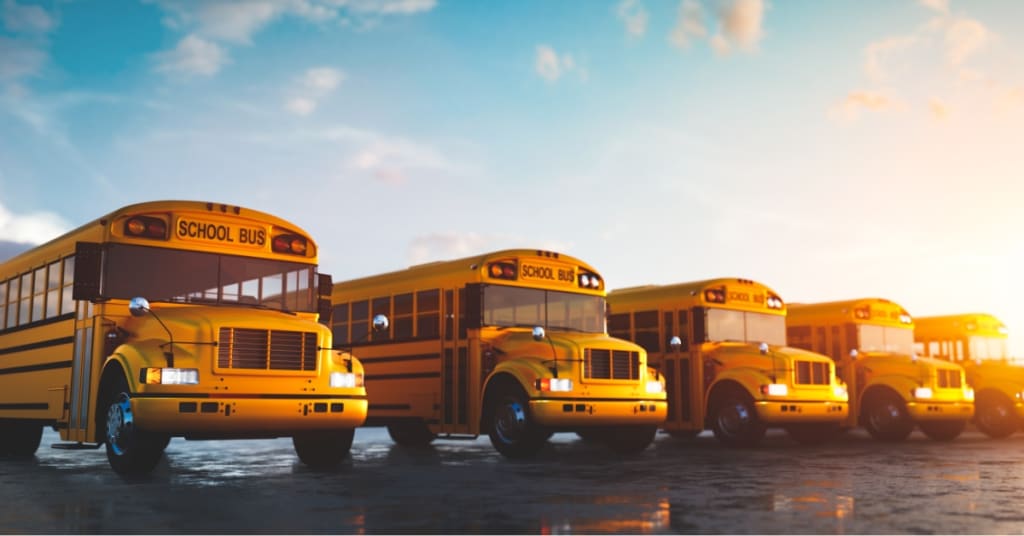
U.S. School Bus Market Overview
The United States school bus market is more than just a segment of the automotive industry—it is the backbone of the nation’s educational infrastructure. Every day, nearly 26 million children rely on school buses to get to and from school, making it the largest public transportation system in the country. In fact, the U.S. school bus fleet, with approximately 480,000 vehicles, is 2.5 times larger than all other forms of mass transit combined.
As the nation looks ahead to the next decade, the U.S. school bus market is set for steady but transformative growth. Valued at USD 4.83 billion in 2024, the sector is forecasted to reach USD 7.16 billion by 2033, expanding at a CAGR of 4.47%. This growth is fueled by three key dynamics: fleet modernization programs, rising student enrollment in growing districts, and the accelerated adoption of electric and hybrid buses.
School buses are indispensable for both public and private education systems, offering safe, reliable, and cost-effective transportation. Traditionally dominated by diesel-powered vehicles, the sector is now undergoing a historic shift toward electrification and sustainability.
With increasing awareness of the environmental and health impacts of diesel exhaust, districts and policymakers are pushing for greener alternatives. Electric school buses, once considered an ambitious idea, are now becoming a practical reality, supported by federal and state grants, incentives, and infrastructure investments.
At the same time, the market is being reshaped by technology-driven safety upgrades, including GPS tracking, stop-arm cameras, collision-avoidance systems, and onboard surveillance tools. These enhancements not only ensure student safety but also improve route management and parental confidence.
Key Market Drivers
1. Fleet Modernization and Sustainability Goals
Many U.S. school districts are still operating fleets with aging diesel buses, some over two decades old. Fleet modernization is no longer optional—it is a necessity. Beyond the environmental case, newer buses offer:
- Lower operational costs due to improved fuel efficiency.
- Reduced maintenance expenses with electric and hybrid options.
- Enhanced safety features aligned with federal and state regulations.
Government-backed initiatives, such as the EPA’s Clean School Bus Program, provide billions in funding to support the transition to low- or zero-emission vehicles. This policy support is a cornerstone of market expansion.
2. Rising Student Enrollment and Urbanization
The U.S. is experiencing growth in student populations, particularly in urban and suburban regions. Expanding districts require larger fleets and longer routes, while rural areas continue to rely heavily on buses to cover vast distances.
Urbanization is intensifying demand for efficient school transportation systems. Centralized schooling, coupled with shrinking neighborhood schools, means more children are traveling further each day. This trend guarantees a steady demand for new buses and replacement units across the country.
3. Advancements in Safety and Connectivity
Modern school buses are no longer simple vehicles—they are smart, connected machines. Innovations include:
- GPS-enabled fleet management systems for real-time tracking.
- RFID cards for student check-in and check-out monitoring.
- Stop-arm cameras to deter illegal passing violations.
- Collision-avoidance and lane-departure alerts to assist drivers.
With parental expectations rising and regulatory standards tightening, these safety upgrades are becoming non-negotiable features, fueling demand for modernized fleets.
Market Challenges
1. High Upfront Costs
Electric school buses, while cost-saving in the long run, carry steep upfront price tags—often two to three times the cost of traditional diesel buses. For smaller or rural districts with limited budgets, even with government incentives, adoption remains financially challenging.
Budget constraints, compounded by competing educational funding priorities, remain one of the biggest barriers to large-scale fleet modernization.
2. Infrastructure and Operational Limitations
Transitioning to electric fleets requires a robust charging infrastructure—a hurdle for many districts. Issues include:
- Lack of charging stations and grid readiness.
- Long charging times compared to diesel refueling.
- Limited range of electric buses for longer rural routes.
- Training gaps for maintenance staff adapting to new technology.
These challenges slow down adoption despite strong policy and market momentum.
Regional Market Insights
California: The Electrification Leader
California leads the U.S. in school bus electrification, driven by stringent environmental regulations and generous incentive programs. Major cities like Los Angeles and San Francisco are spearheading adoption, but rural districts are also receiving funding for fleet upgrades. With aggressive climate goals and clean air initiatives, California is set to remain the largest and most progressive market for electric school buses.
Texas: Capacity and Coverage Expansion
Texas, with one of the largest student populations in the nation, has unique transportation challenges. Long rural routes, sprawling metropolitan districts, and growing suburban populations demand large-capacity fleets. While diesel buses remain dominant, Texas is beginning to test pilot programs with electric and hybrid buses, signaling gradual progress toward sustainability.
New York: Safety and Sustainability Focus
New York places equal emphasis on safety and emissions reduction. The state has ambitious plans to phase out diesel buses, particularly in New York City, supported by public funding and green infrastructure projects. Meanwhile, the complexity of urban routing makes GPS tracking and surveillance technologies vital. Rural New York also maintains high reliance on buses, making it a balanced but progressive market.
👉 For deeper analysis, detailed segment data, and company insights: 🔗 Request Customization Report
Market Segmentation
The U.S. school bus market can be segmented as follows:
By Powertrain:
- Internal Combustion Engine (IC Engine)
- Hybrid
- Electric
By Design Type:
- Type A (small capacity)
- Type B
- Type C (conventional, largest share)
- Type D (transit-style)
By State:
- California, Texas, New York, Florida, Illinois, Pennsylvania, Ohio, Georgia, Washington, New Jersey, and others.
Competitive Landscape
The market is dominated by a mix of longstanding bus manufacturers and new entrants in electrification. Key players include:
- Blue Bird Corporation – Leading supplier of electric and traditional buses.
- Navistar Inc. (IC Bus) – Strong in diesel and hybrid fleets.
- Daimler AG (Thomas Built Buses) – Expanding into electric models.
- Lion Electric Company & Green Power Motor Company – Specialists in electric school buses.
- Collins Bus, Starcraft, and Trans Tech – Strong in Type A and niche bus categories.
These companies are investing heavily in R&D, partnerships with battery suppliers, and digital fleet management solutions to stay competitive.
Conclusion
The United States school bus market (2025–2033) is set for sustained growth, fueled by modernization programs, rising student enrollment, and the push toward clean, connected, and safe transportation solutions.
By 2033, the market will reach USD 7.16 billion, marking not only financial growth but also a transformative shift in how America thinks about student transportation. The future school bus will be electric, intelligent, and safer than ever before, reflecting both the nation’s sustainability goals and its commitment to student well-being.
About the Creator
Diya Dey
Market Analyst


Comments
There are no comments for this story
Be the first to respond and start the conversation.