
United States Ice Cream Market Size, Share, and Growth Forecast 2025–2033
The U.S. ice cream market is projected to grow from US$ 18.27 billion in 2024 to US$ 25.49 billion by 2033, at a CAGR of 3.77%, fueled by premium innovations, healthier options, and expanding retail distribution.

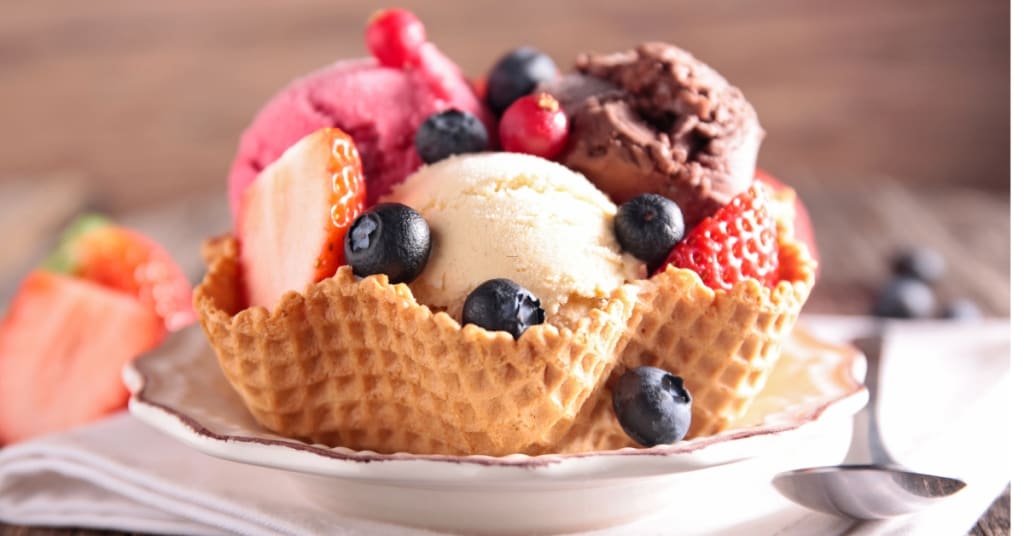
Introduction: Ice Cream as America’s Favorite Indulgence
Few foods carry the universal appeal of ice cream. From summer afternoons to festive celebrations, it has remained one of America’s most beloved desserts for generations. Its creamy texture, wide range of flavors, and emotional connection to joy and indulgence make it more than just a frozen treat—it’s a cultural icon.
In the United States, the ice cream industry is not just about selling cones or cups; it’s a dynamic market that reflects evolving consumer tastes, innovative food technology, and shifting lifestyles. As of 2024, the U.S. ice cream market was valued at US$ 18.27 billion, and it is forecasted to reach US$ 25.49 billion by 2033, growing steadily at a CAGR of 3.77%.
The Market Size and Forecast
According Renub Research to recent estimates, the U.S. ice cream industry will experience sustainable growth over the next decade. This expansion is fueled by changing consumer behavior, particularly the rising demand for low-calorie, plant-based, and premium artisanal options. At the same time, distribution networks—both offline and online—are ensuring greater accessibility, making ice cream a year-round indulgence rather than a seasonal product.
With leading players like Nestlé, Unilever, General Mills, and Blue Bell Creameries constantly innovating, the market outlook is set to remain competitive and vibrant.
A Sweet History and Cultural Significance
Ice cream’s story in the U.S. is deeply rooted in history and tradition. From its early introduction in colonial America to the modern-day gourmet shops, the dessert has been tied to celebrations, nostalgia, and indulgence. Today, Americans enjoy ice cream not only in classic cones and sundaes but also through innovative creations such as milkshakes, sandwiches, and artisanal scoops.
This cultural resonance ensures that, despite health-conscious trends, ice cream continues to maintain its relevance as both a comfort food and a luxury indulgence.
Key Growth Drivers in the U.S. Ice Cream Market
1. Rising Demand for Premium and Artisanal Products
One of the biggest shifts in the market has been the move toward premium and artisanal ice cream. Consumers are no longer satisfied with just the standard vanilla or chocolate—they are seeking authentic, high-quality, small-batch options with natural ingredients.
Artisanal ice creams, often handcrafted with locally sourced flavors, are becoming a symbol of authenticity and indulgence. This shift is strongly influenced by younger consumers who value transparency, sustainability, and unique culinary experiences.
2. Innovative Flavors and Product Offerings
Innovation is at the heart of the U.S. ice cream industry. Brands are experimenting with bold, global-inspired flavors such as matcha, ube, and tahini, alongside indulgent pairings like salted caramel with bourbon vanilla. Seasonal and limited-edition launches also create excitement, keeping the market dynamic and engaging for repeat customers.
Mix-ins, toppings, and new textures are further expanding the possibilities. From gourmet cookies to fruit swirls and crunchy nuts, ice cream has become a playground for culinary creativity.
3. Expanding Distribution Channels
Accessibility is another growth driver. Beyond supermarkets and convenience stores, ice cream is now widely available on e-commerce platforms, quick-service restaurants, and delivery apps. Consumers can have their favorite pint delivered directly to their doorstep or grab a single-serve treat on the go.
This multi-channel approach is especially important as busy lifestyles demand greater convenience. The rise of online grocery shopping and meal delivery apps has significantly boosted ice cream sales, ensuring the product is always within reach.
Challenges Facing the U.S. Ice Cream Market
1. Rising Ingredient and Production Costs
Volatility in raw material prices—especially dairy and sugar—poses a challenge for ice cream producers. Inflation, weather conditions, and supply chain disruptions often lead to rising costs. For artisanal brands with limited production capacity, these fluctuations can significantly impact margins.
Companies are now balancing between absorbing costs or passing them on to consumers. Either way, maintaining affordability while ensuring profitability remains a delicate challenge.
2. Changing Consumer Preferences
The modern U.S. consumer is health-conscious, seeking low-sugar, dairy-free, and plant-based alternatives. While indulgence remains central to ice cream consumption, many people are limiting high-calorie options. This forces traditional brands to adapt by launching lighter, functional, or wellness-focused ice creams.
The challenge is clear: maintain indulgence while aligning with wellness. Those who succeed in blending taste with health benefits are likely to lead the next phase of market growth.
👉 For deeper analysis, detailed segment data, and company insights: 🔗 Request Customization Report
Segment Insights
By Flavor
- Chocolate continues to dominate as the most popular flavor, appealing across demographics with classic and modern twists.
- Vanilla remains timeless, often serving as the base for sundaes and mix-ins.
- Fruit flavors like mango, strawberry, and tropical blends are increasingly popular among health-focused consumers.
- Others include adventurous and gourmet options that attract experimental eaters.
By Category
- Impulse Ice Cream: Quick, single-serve purchases at convenience stores and tourist spots are thriving.
- Take-home Ice Cream: Family-size tubs and multi-packs are popular for at-home indulgence.
- Artisanal Ice Cream: Gaining traction as consumers seek premium, small-batch products.
By Packaging
- Cups and Cones dominate due to their portability and convenience.
- Sticks, tubs, bricks, and novelty formats add variety, catering to different preferences.
By Distribution Channel
- Supermarkets and Hypermarkets lead the market with wide accessibility and promotions.
- Convenience Stores support impulse purchases.
- Specialty Stores highlight artisanal and premium offerings.
- Online Sales Channels are rapidly growing, driven by digital shopping habits.
Consumer Behavior: Impulse Meets Health-Conscious Choices
The U.S. ice cream market reflects a balance between impulse-driven indulgence and mindful consumption. While single-serve treats satisfy spontaneous cravings, plant-based and low-calorie ice creams address the growing health movement. This duality ensures that the market continues to expand across diverse consumer groups.
Competitive Landscape
Major players such as Nestlé SA, Unilever Group, General Mills, Danone, Mondelez, Meiji, American Dairy Queen, and Blue Bell Creameries dominate the U.S. market. These companies are investing in:
- Product innovation (healthier and unique flavors)
- Strategic partnerships (distribution with online platforms)
- Sustainability initiatives (eco-friendly packaging and responsible sourcing)
- Smaller artisanal brands are also carving niches by emphasizing authenticity, local sourcing, and storytelling around their products.
Future Outlook: Healthier, Plant-Based, and Experiential
The next decade of the U.S. ice cream market will be defined by three key trends:
- Health and Wellness – Expect more dairy-free, plant-based, and functional ice creams enriched with probiotics, protein, or vitamins.
- Premium Indulgence – Luxury and artisanal experiences will continue to appeal to consumers seeking indulgence beyond the ordinary.
Experiential Retail and Online Growth – Pop-up parlors, experiential stores, and e-commerce will further elevate how consumers engage with ice cream.
Conclusion
The U.S. ice cream market is more than just a dessert industry—it’s a reflection of evolving consumer lifestyles, innovation, and cultural values. With the market projected to grow steadily at 3.77% CAGR through 2033, the future looks promising. Whether through a scoop of chocolate in a cone, a dairy-free pint delivered to your home, or a small-batch artisanal flavor discovered at a local shop, ice cream will continue to hold its special place in the American heart—and palate.
Note: If you need details, data, or insights not covered in this report, we are glad to assist. Through our customization service, we will collect and deliver the information you require, tailored to your specific needs. Share your requirements with us, and we will update the report to align with your expectations.
About Renub Research
Renub Research is a Market Research and Consulting Company. We have more than 15 years of experience especially in international Business-to-Business Researches, Surveys and Consulting. We provide a wide range of business research solutions that helps companies in making better business decisions. We partner with clients in all sectors and regions to identify their highest-value opportunities, address their most critical challenges, and transform their businesses. Our wide clientele comprises major players in Healthcare, Travel and Tourism, Food Beverages, Power Energy, Information Technology, Telecom Internet, Chemical, Logistics Automotive, Consumer Goods Retail, Building, and Construction, Agriculture. Our core team is comprised of experienced people holding graduate, postgraduate, and Ph.D. degrees in Finance, Marketing, Human Resource, Bio-Technology, Medicine, Information Technology, Environmental Science, and many more.
Contact Us:
Company Name: Renub Research
Contact Person: Rajat Gupta
Phone No: (D) +91-120-421-9822
Email: [email protected]
About the Creator
Diya Dey
Market Analyst
Strengthening Billing Accuracy in Care Settings
Full Introduction In the residential and long-term care landscape of 2026, billing accuracy has shifted from a back-office administrative task to a high-stakes clinical and financial priority. As payers—including Medicare and Medicaid—tighten documentation requirements and deploy AI-driven audit tools, even minor discrepancies in daily charting or insurance verification can lead to immediate claim denials and revenue loss. Strengthening accuracy now requires a systemic approach that integrates real-time eligibility checks, disciplined clinical documentation, and a culture of cross-departmental accountability. By focusing on front-end precision and back-end auditing, care settings can ensure that the services provided are the services fully reimbursed.
By Abdul Mueed3 days ago in Journal



Comments
There are no comments for this story
Be the first to respond and start the conversation.