
United States Cardiovascular Devices Market to Reach $30.68 Billion by 2033, Driven by Technological Innovations and Rising CVD Incidence
Advancements in Diagnostic and Therapeutic Devices, Government Initiatives, and Minimally Invasive Procedures Fuel Market Growth

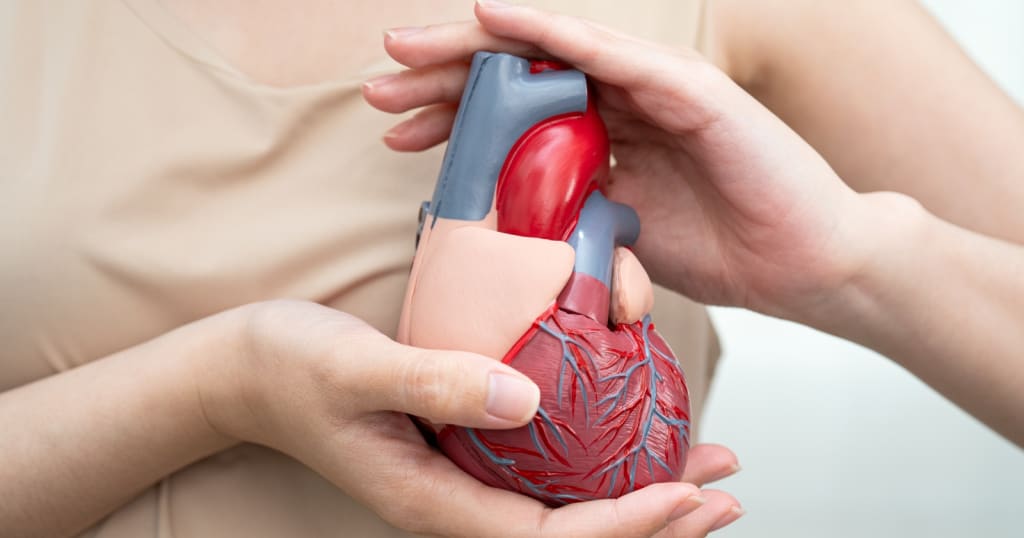
United States Cardiovascular Devices Market Overview
According to Renub Research Recent Analysis United States cardiovascular devices market is projected to expand from USD 17.68 billion in 2024 to USD 30.68 billion by 2033, growing at a CAGR of 6.32% during the forecast period of 2025–2033. This growth is primarily driven by the increasing prevalence of cardiovascular diseases (CVDs), technological advancements in device design, rising adoption of minimally invasive procedures, and heightened demand for diagnostic and therapeutic cardiovascular devices across healthcare settings.
Cardiovascular devices are crucial medical instruments used for the diagnosis, monitoring, and treatment of heart and vascular diseases. These devices range from diagnostic tools—such as electrocardiograms (ECGs), echocardiography systems, and cardiac imaging equipment—to therapeutic and surgical devices like stents, pacemakers, defibrillators, and heart valves. Wearable devices and remote monitoring solutions have further enhanced patient management and early detection of cardiovascular conditions, particularly for high-risk populations.
Drivers of Growth
1. Increasing Prevalence of Cardiovascular Diseases
Cardiovascular diseases remain the leading cause of death in the United States, accounting for 1 in 5 deaths in 2022 (702,880 fatalities). Conditions such as coronary artery disease (CAD), cardiac arrhythmias, and heart failure contribute heavily to morbidity and mortality, prompting an elevated demand for diagnostic and therapeutic devices. The aging population, coupled with lifestyle-related risk factors—obesity, hypertension, diabetes, and smoking—further drives the utilization of cardiovascular devices in hospitals, clinics, and diagnostic centers.
2. Technological Innovation in Cardiovascular Devices
Technological advancements are reshaping cardiovascular care. Innovations include:
Minimally invasive procedures reducing patient recovery times.
Robotic-assisted surgeries enhancing precision and outcomes.
Wearable heart monitoring devices enabling continuous patient monitoring.
AI-powered diagnostics for personalized cardiac care.
New-generation stents, pacemakers with extended battery life, and advanced imaging technologies are enhancing treatment efficacy and patient quality of life, boosting adoption across healthcare facilities.
3. Government Initiatives and Healthcare Funding
Government programs and healthcare policies, including the Affordable Care Act and the CDC’s Million Hearts initiative, promote cardiovascular health through early detection, prevention, and treatment. Reimbursement policies for cardiovascular procedures and insurance coverage expansion have made advanced devices more accessible, encouraging hospitals and clinics to invest in cutting-edge technology.
Challenges
1. High Cost of Advanced Devices
Many advanced cardiovascular devices, such as minimally invasive stents and robotic-assisted surgical tools, carry high price tags, limiting accessibility for smaller hospitals or patients in rural areas. Despite partial insurance coverage, out-of-pocket costs can deter adoption, particularly among low-income populations.
2. Regulatory and Approval Barriers
The FDA approval process for cardiovascular devices is rigorous and time-consuming, requiring extensive clinical trials and compliance with strict safety regulations. High costs associated with research, development, and regulatory approval can delay market entry of innovative devices, slowing the dissemination of advanced cardiovascular solutions.
👉 For deeper analysis, detailed segment data, and company insights: 🔗 Request Customization Report
By Device Type
Diagnostic and Monitoring Devices – ECGs, echocardiography machines, imaging systems, wearable heart monitors.
Therapeutic and Surgical Devices – Stents, pacemakers, defibrillators, heart valves, robotic-assisted surgical tools.
By Application
Coronary Artery Disease (CAD) – Largest application, driving stents, angioplasty balloons, and imaging solutions.
Cardiac Arrhythmia – Pacemakers, implantable cardioverter defibrillators (ICDs), and monitoring devices.
Heart Failure – Cardiac resynchronization therapy devices and left ventricular assist devices (LVADs).
Others – Hypertension management devices, peripheral vascular devices, and emerging solutions.
By End-User
Hospitals and Clinics
Ambulatory Surgical Centers
Diagnostic Centers
Cardiac Catheterization Laboratories
Others
By State
California – Innovation hub with advanced research institutions and healthcare infrastructure.
New York – High CVD prevalence, robust healthcare system, adoption of minimally invasive procedures.
Washington – Increasing demand for advanced diagnostics and wearable devices.
Florida – Aging population driving demand for therapeutic devices and diagnostic imaging.
Other key states include Texas, Illinois, Pennsylvania, Ohio, Georgia, New Jersey, North Carolina, Massachusetts, and Michigan.
Regional Insights
California
California leads the market due to its biotechnology ecosystem, research institutions, and strategic industry collaborations. Innovations in stents, pacemakers, and AI-powered diagnostics are rapidly commercialized, reinforcing the state’s position as a hub for cardiovascular device development.
New York
New York’s growing CVD prevalence and aging population have increased the demand for advanced diagnostic and therapeutic devices, supported by strong healthcare infrastructure and government initiatives.
Washington
Washington emphasizes minimally invasive and wearable cardiovascular solutions, with a growing focus on preventive cardiac care and innovation in device technology.
Florida
Florida’s aging demographic drives the need for heart monitoring devices, stents, and pacemakers. The state benefits from established healthcare systems and proactive government programs for CVD prevention and treatment.
Competitive Landscape
Major players dominate the U.S. cardiovascular devices market through innovation, acquisitions, and strategic partnerships:
Abbott Laboratories – Offers stents, diagnostic systems, and pacemakers.
Boston Scientific Corporation – Specializes in coronary interventions, rhythm management, and structural heart devices.
Edwards Lifesciences – Renowned for heart valves and surgical devices.
Cardinal Health Inc. – Supplies medical and diagnostic equipment.
Medtronic PLC – Leader in pacemakers, defibrillators, and minimally invasive cardiac devices.
GE Healthcare – Provides cardiovascular imaging and monitoring systems.
Johnson & Johnson Services, Inc. – Develops stents, structural heart devices, and surgical solutions.
Siemens Healthcare GmbH – Specializes in imaging technologies and diagnostic tools.
These companies focus on R&D, regulatory compliance, and strategic partnerships to maintain competitive advantage and expand their U.S. market presence.
Diagnostic & Therapeutic Market Insights
Diagnostic and Monitoring Devices dominate due to their essential role in early detection, monitoring, and treatment optimization. Devices like ECGs, echocardiography systems, and portable heart monitors enable proactive cardiovascular care.
Coronary Artery Disease Devices remain a critical segment, as CAD continues to be a major health concern. Advanced stents, angioplasty balloons, and imaging systems address patient-specific needs while promoting the development of next-generation cardiovascular technologies.
End-User Insights
Diagnostic Centers – Key players in early detection and assessment of CVDs.
Hospitals and Clinics – Largest adopters, utilizing a full spectrum of diagnostic, monitoring, and therapeutic devices.
Ambulatory Surgical Centers & Catheterization Labs – Focused on minimally invasive procedures and patient throughput efficiency.
Market Outlook
The U.S. cardiovascular devices market is expected to sustain strong growth through 2033, driven by:
Rising prevalence of CVDs and aging population.
Continuous technological innovations in minimally invasive, robotic-assisted, and AI-enabled devices.
Expansion of government initiatives and funding for cardiac health.
Growing focus on preventive care and remote patient monitoring.
Adoption of personalized and patient-centric cardiovascular solutions.
Challenges such as high device costs and lengthy regulatory approvals are likely to persist, but innovation, insurance coverage expansion, and increasing healthcare awareness will mitigate these barriers.
Conclusion
The United States cardiovascular devices market is poised for steady expansion, reaching USD 30.68 billion by 2033, underpinned by advancements in device technology, rising CVD prevalence, and supportive healthcare policies.
With diagnostic and therapeutic devices increasingly integrated into patient care, hospitals, clinics, and diagnostic centers are central to driving market growth. Technological innovation, personalized patient solutions, and government-backed initiatives remain key to the market’s future, enabling improved patient outcomes and quality of life for millions of Americans suffering from cardiovascular diseases.
Note: If you need details, data, or insights not covered in this report, we are glad to assist. Through our customization service, we will collect and deliver the information you require, tailored to your specific needs. Share your requirements with us, and we will update the report to align with your expectations.
About the Creator
Marthan Sir
Educator with 30+ years of teaching experience | Passionate about sharing knowledge, life lessons & insights | Writing to inspire, inform, and empower readers.
Keep reading
More stories from Marthan Sir and writers in Journal and other communities.
UK Dairy Alternatives Market Set for Strong Growth, Expected to Reach $3.13 Billion by 2033
According to Renub Research Project Report United Kingdom Dairy Alternatives Market is projected to grow from US$ 1.12 billion in 2024 to US$ 3.13 billion by 2033, expanding at a CAGR of 12.11% during the forecast period. Increasing health consciousness, ethical concerns regarding animal welfare, and environmental awareness are fueling a rising demand for plant-based dairy substitutes across milk, cheese, yogurt, ice cream, and creamers.
By Marthan Sir4 months ago in Journal


Comments
There are no comments for this story
Be the first to respond and start the conversation.