
UK Dairy Alternatives Market Set for Strong Growth, Expected to Reach $3.13 Billion by 2033
Rising Health Awareness, Veganism, and Plant-Based Innovation Drive Expansion Across Milk, Cheese, Yogurt, and Ice Cream Segments

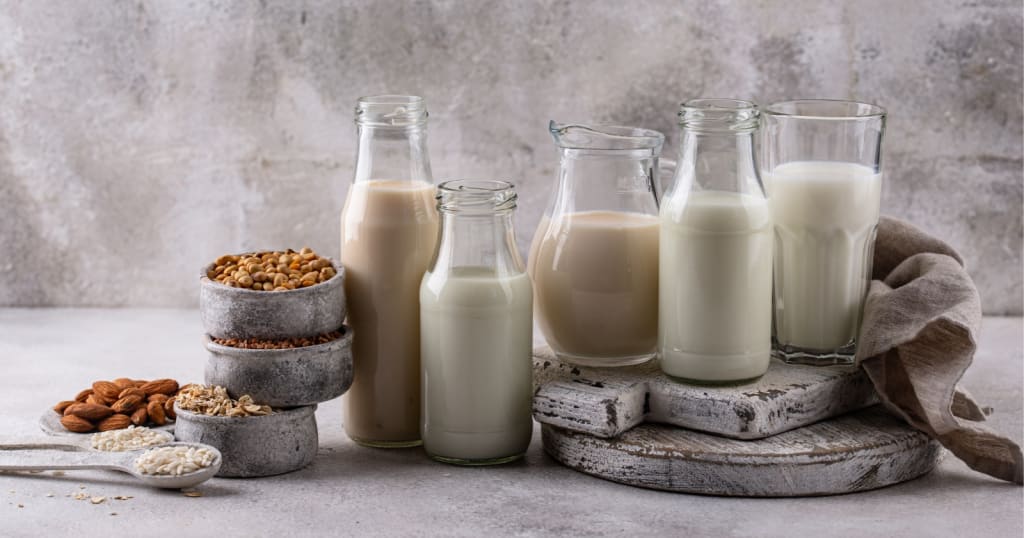
According to Renub Research Project Report United Kingdom Dairy Alternatives Market is projected to grow from US$ 1.12 billion in 2024 to US$ 3.13 billion by 2033, expanding at a CAGR of 12.11% during the forecast period. Increasing health consciousness, ethical concerns regarding animal welfare, and environmental awareness are fueling a rising demand for plant-based dairy substitutes across milk, cheese, yogurt, ice cream, and creamers.
The shift toward lactose-free, vegan, and fortified products is supported by technological innovation, product diversification, and digital marketing, as well as supermarket, convenience store, and online distribution channels that make dairy alternatives more accessible to mainstream consumers.
Consumer preferences in the UK are evolving rapidly, with approximately 8.7 million flexitarians seeking healthier and sustainable dairy substitutes. Rising obesity rates, with 62.3% of adults overweight or obese in 2022, are further encouraging a transition to low-fat, lactose-free, and nutrient-fortified plant-based alternatives.
Health consciousness remains a critical driver, with consumers opting for almond, oat, soy, hemp, coconut, and rice-based dairy alternatives. These products are increasingly seen as healthier due to lower saturated fat content, lactose-free composition, and fortification with essential vitamins and minerals. The popularity of oat milk, in particular, has surged for its creamy texture and versatility in cooking and beverages.
The rise of veganism and plant-based diets continues to boost demand. Moral, environmental, and health considerations are motivating consumers to seek animal-free substitutes, driving product innovation in milk, cheese, yogurt, and ice cream. Fortified and flavored alternatives are attracting both vegans and flexitarians, broadening the consumer base.
Celebrity endorsements and social media marketing play a pivotal role in increasing product acceptance. Influencers in wellness, fitness, and vegan sectors advocate plant-based alternatives, driving mainstream adoption. Brands utilize platforms like Instagram, TikTok, and YouTube to educate consumers, share recipes, and promote product benefits, reinforcing credibility and influencing purchase decisions.
Product Innovation and Technological Advancements
Innovations in taste, texture, and nutrition have addressed previous barriers to adoption. The introduction of fortified milk, protein-rich yogurt, plant-based cheese with improved meltability, and premium ice cream flavors has enhanced market appeal. Functional benefits such as probiotics and high protein content are attracting health-conscious consumers seeking nutritional advantages alongside convenience.
Market Challenges
Despite strong growth, challenges persist. Taste and texture differences compared to traditional dairy products can limit acceptance among non-vegans. Additionally, supply chain and production constraints, including fluctuating raw material costs and scaling manufacturing to meet rising demand, pose hurdles for manufacturers seeking consistent quality.
Regional Insights
The market shows strong regional variation:
London leads in adoption, driven by a diverse, environmentally conscious, and health-focused population.
East of England, with cities like Cambridge and Norwich, sees steady growth due to student populations and plant-based diet adoption.
Scotland, particularly Edinburgh and Glasgow, is witnessing increased demand among health-conscious consumers.
Yorkshire and the Humber, including Leeds, Sheffield, and Hull, reflects rising interest in low-fat, organic, and lactose-free alternatives.
Other regions, including South East, North West, South West, West Midlands, and East Midlands, continue to show gradual adoption due to urbanization and retail penetration.
👉 For deeper analysis, detailed segment data, and company insights: 🔗 Request Customization Report
The UK market is categorized by product type, source, and distribution channel:
Product Type: Milk, Cheese, Yogurt, Ice Cream, Creamers, and Others (butter, spreads).
Source: Almond, Soy, Oats, Hemp, Coconut, Rice, Others.
Distribution Channels: Supermarkets and Hypermarkets, Convenience Stores, Online Stores, and Cafes/Restaurants.
Key Market Players
Major companies dominating the market include Oatly, Arla Foods, Blue Diamond Growers, Danone SA, Britvic PLC, Coconut Collaborative, Plamil Foods, The Hain Celestial Group, Upfield Holdings BV, and VBites Foods Ltd. These companies focus on product innovation, marketing, fortification, and sustainable practices, driving the UK market toward mainstream adoption.
Market Outlook
The UK Dairy Alternatives Market is expected to maintain robust growth through 2033, propelled by:
Adoption of plant-based and flexitarian diets
Increased health consciousness
Innovations in flavor, texture, and nutritional fortification
Expansion of retail and online distribution channels
Emerging trends include premium and flavored products, fortified alternatives, sustainable packaging, and partnerships with cafes and restaurants to increase visibility and consumer engagement.
As more consumers shift toward healthier, ethical, and environmentally sustainable dietary choices, dairy alternatives are expected to capture a growing share of the UK dairy market, establishing the region as one of Europe’s most dynamic markets for plant-based dairy substitutes.
Note: If you need details, data, or insights not covered in this report, we are glad to assist. Through our customization service, we will collect and deliver the information you require, tailored to your specific needs. Share your requirements with us, and we will update the report to align with your expectations.
About the Creator
Marthan Sir
Educator with 30+ years of teaching experience | Passionate about sharing knowledge, life lessons & insights | Writing to inspire, inform, and empower readers.
Keep reading
More stories from Marthan Sir and writers in Journal and other communities.
United Arab Emirates Dairy Market Size and Forecast 2025-2033
According to Renub Research Latest Report United Arab Emirates (UAE) dairy market is projected to grow from US$ 4.20 billion in 2024 to US$ 6.60 billion by 2033, expanding at a CAGR of 5.22% from 2025 to 2033. This growth is propelled by the UAE’s rapidly growing population, urbanization, rising disposable incomes, evolving dietary preferences, increasing health consciousness, and product innovations in dairy offerings. Additionally, supportive government policies and regulations have strengthened the sector, encouraging both local and international dairy producers to expand operations and introduce new products.
By Marthan Sir4 months ago in Journal
The goals I did not achieve
Every writing goal I made for the year is a wash. It has been this way for a while, but I think it's important to be open about my failures and the reality of how life can get in the way. This is especially true considering the several times I have posted on Vocal about my writing goals, how I was changing my approach, and where I was hoping to be for the upcoming year. I will probably do that again in a couple months, but for now, it is time to acknowledge where I am today.
By Kay Husnick24 days ago in Journal
The Eucharist: Why Catholics Believe in the Real Presence
The Eucharist is the center of Catholic life and worship. At Mass, Catholics receive the Body and Blood of Christ under the forms of bread and wine, a belief that sets Catholicism apart from many other Christian traditions. This doctrine, known as the Real Presence, teaches that Jesus Christ is truly present in the Eucharist, not symbolically or metaphorically, but in reality. Understanding why Catholics believe this and how it impacts their lives can deepen appreciation for this sacred sacrament.
By Sound and Spirit5 days ago in Journal


Comments
There are no comments for this story
Be the first to respond and start the conversation.