
United States Bone Cement & Glue Market Set to Expand with Rising Orthopedic Procedures and Innovative Adhesive Technologies
Advancements in surgical techniques, aging demographics, and biomaterial innovations are driving robust growth in the U.S. bone cement and glue industry, creating opportunities for medical device manufacturers and healthcare providers.
Introduction
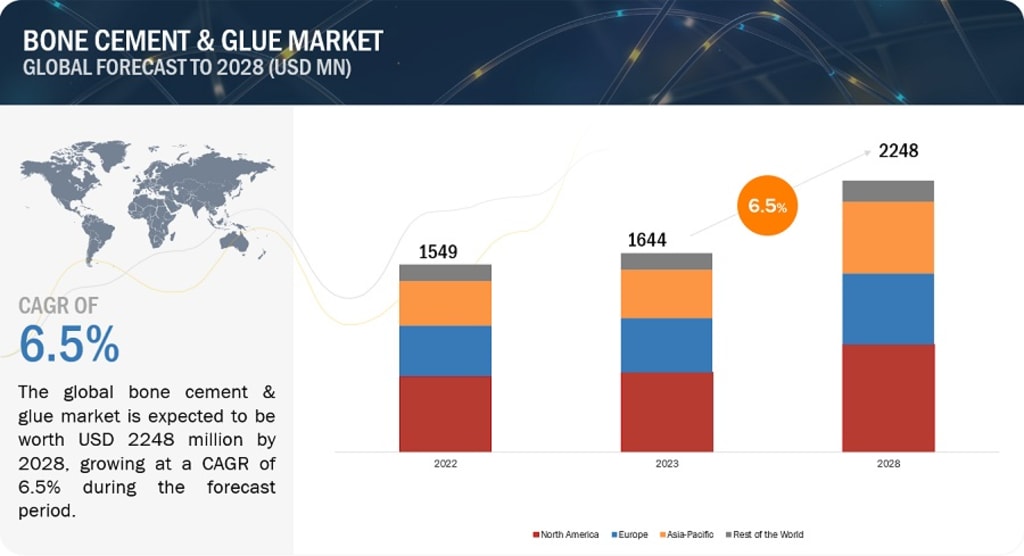
The United States Bone Cement & Glue Market is witnessing significant growth momentum as orthopedic and trauma-related procedures rise across the country. With an expanding elderly population, an increase in sports injuries, and rapid advancements in biomaterial technologies, bone cement and surgical adhesives are becoming essential components of modern orthopedic care. The market is poised to benefit from the growing demand for joint replacements, minimally invasive procedures, and enhanced biocompatibility solutions.
According to industry assessments, the market is projected to advance steadily over the next several years, driven by both clinical and technological progress. While bone cement has been widely used in joint arthroplasty and trauma surgeries for decades, the emergence of next-generation bone glues—bioabsorbable and regenerative adhesive technologies—represents a new era of innovation in surgical fixation.
1. Rising Burden of Orthopedic Disorders
Musculoskeletal disorders are among the most prevalent health conditions in the United States, with millions of individuals affected by osteoarthritis, osteoporosis, and degenerative bone diseases. The rising incidence of fractures among the elderly, combined with the increasing need for revision surgeries, continues to fuel demand for high-quality bone cements and adhesives.
2. Expansion of Joint Replacement Surgeries
Hip and knee replacements are among the most common surgical procedures in the country, with an estimated 1 million procedures performed annually. Bone cement plays a critical role in anchoring implants, while bone glue provides advanced fixation in complex procedures. With the expected growth in elective surgeries and improved access to healthcare, the demand for bone fixation materials is set to expand further.
3. Technological Innovation in Bone Adhesives
While traditional polymethylmethacrylate (PMMA)-based bone cements remain a mainstay, new product development is transforming the competitive landscape. Bioactive cements, antibiotic-loaded formulations, and regenerative bone glues are being developed to enhance patient outcomes, reduce infection risks, and improve long-term stability of implants.
4. Shift Toward Minimally Invasive Surgery
The increasing preference for minimally invasive surgical techniques has created opportunities for bioresorbable adhesives and injectable bone cements. These advanced products allow surgeons to perform precise, less invasive procedures, ensuring faster recovery times and lower complication risks.
Market Opportunities
The United States market offers substantial opportunities for both established medical device companies and new entrants:
• Product Innovation: Development of biodegradable and bioresorbable glues that promote natural bone healing.
• Customization for Geriatric Patients: Tailored cement formulations with improved load-bearing capacity for older populations.
• Integration with Robotics and 3D Printing: Use of advanced adhesives in robotic-assisted surgeries and 3D-printed implants.
• Antibiotic-Loaded Cements: Increasing demand for infection-resistant formulations in revision surgeries.
• Strategic Collaborations: Partnerships between device manufacturers and research institutions to advance biomaterial research.
Key Challenges
Despite the positive outlook, the industry faces some notable challenges:
• Regulatory Compliance: Strict FDA regulations governing the safety and efficacy of bone adhesives require extensive clinical testing.
• Cost Pressures: High costs associated with advanced biomaterials may limit adoption in smaller hospitals and clinics.
• Complications with Traditional Cement: Issues such as cement leakage, loosening, and thermal necrosis remain concerns in clinical practice.
• Competition from Cementless Implants: The increasing popularity of cementless implant techniques poses a long-term challenge for cement usage.
Regional and Demographic Drivers
The market is shaped by regional healthcare infrastructure and population trends within the United States:
• Aging Population: With over 54 million Americans aged 65 and older, age-related bone and joint disorders are driving surgical demand.
• Sports-Related Injuries: Younger demographics are contributing to growth through rising incidences of sports injuries requiring bone fixation.
• Urban vs. Rural Access: While urban hospitals drive adoption of advanced adhesives, rural healthcare centers are gradually expanding access to orthopedic procedures.
Competitive Landscape
The United States bone cement & glue market is characterized by both global leaders and domestic innovators. Prominent players include Stryker Corporation, Zimmer Biomet, Johnson & Johnson (DePuy Synthes), Heraeus Medical, Medtronic, and Smith & Nephew, among others. These companies are actively engaged in product launches, R&D investments, and strategic acquisitions to strengthen their market presence.
Smaller biotechnology firms are also making a mark by developing next-generation bone adhesives with regenerative properties. Collaborations between academic research centers and device companies are accelerating clinical validation and commercialization of new adhesive technologies.
Future Outlook
Looking ahead, the United States Bone Cement & Glue Market is expected to expand steadily, supported by demographic shifts, continuous innovation, and rising surgical volumes. Bioactive and regenerative adhesives are set to complement traditional cement solutions, while minimally invasive techniques and robotic-assisted surgeries will shape product demand.
The market’s growth trajectory will also depend on ongoing improvements in biocompatibility, infection control, and ease of use, aligning with the healthcare industry’s broader focus on enhancing patient outcomes and reducing surgical risks.
Conclusion
The United States Bone Cement & Glue Market is at the forefront of transformation, blending decades of proven clinical use with emerging adhesive technologies. As demand for orthopedic procedures continues to rise, innovation in biomaterials and surgical adhesives will play a pivotal role in shaping the next phase of orthopedic care.
With strong growth drivers in place and a wave of technological advancements on the horizon, the market offers compelling opportunities for medical device companies, healthcare providers, and investors alike. Ultimately, the combination of clinical necessity, innovation, and demographic demand ensures that bone cement and glue will remain indispensable to modern orthopedic and trauma care in the United States
About the Creator
Keep reading
More stories from Rachel Paul and writers in Journal and other communities.
United States Vaccine Storage Equipment Market Set for Robust Growth Driven by Rising Immunization Programs and Cold Chain Investments
The vaccine storage equipment market in the United States is witnessing accelerated growth, driven by an increasing emphasis on immunization programs, heightened awareness around vaccine safety, and government-led initiatives to improve healthcare infrastructure. As demand for vaccines and biologics expands, particularly after the COVID-19 pandemic, reliable and efficient storage solutions have become indispensable to maintaining efficacy and ensuring successful distribution.
By Rachel Paul3 months ago in Journal
Thoughts on Vocal and the way the world is
"Death cannot stop true love, only delay it." – Wesley in The Princess Bride. I decided to come back to Vocal on a very cold and dark night at the end of December. I had been, and still am, convalescing from a horrible staph infection that had gone misdiagnosed for months. This, paired with the increasing challenges of being healthy, making the best choices for my co-parented child, being a wife, and being a director at a new job, was a lot to manage.
By Jazzy 7 days ago in Confessions


Comments
There are no comments for this story
Be the first to respond and start the conversation.