
United States Vaccine Storage Equipment Market Set for Robust Growth Driven by Rising Immunization Programs and Cold Chain Investments
Increased focus on vaccine safety, expansion of healthcare infrastructure, and rising demand for temperature-sensitive biologics are fueling significant growth in vaccine storage solutions across the U.S.
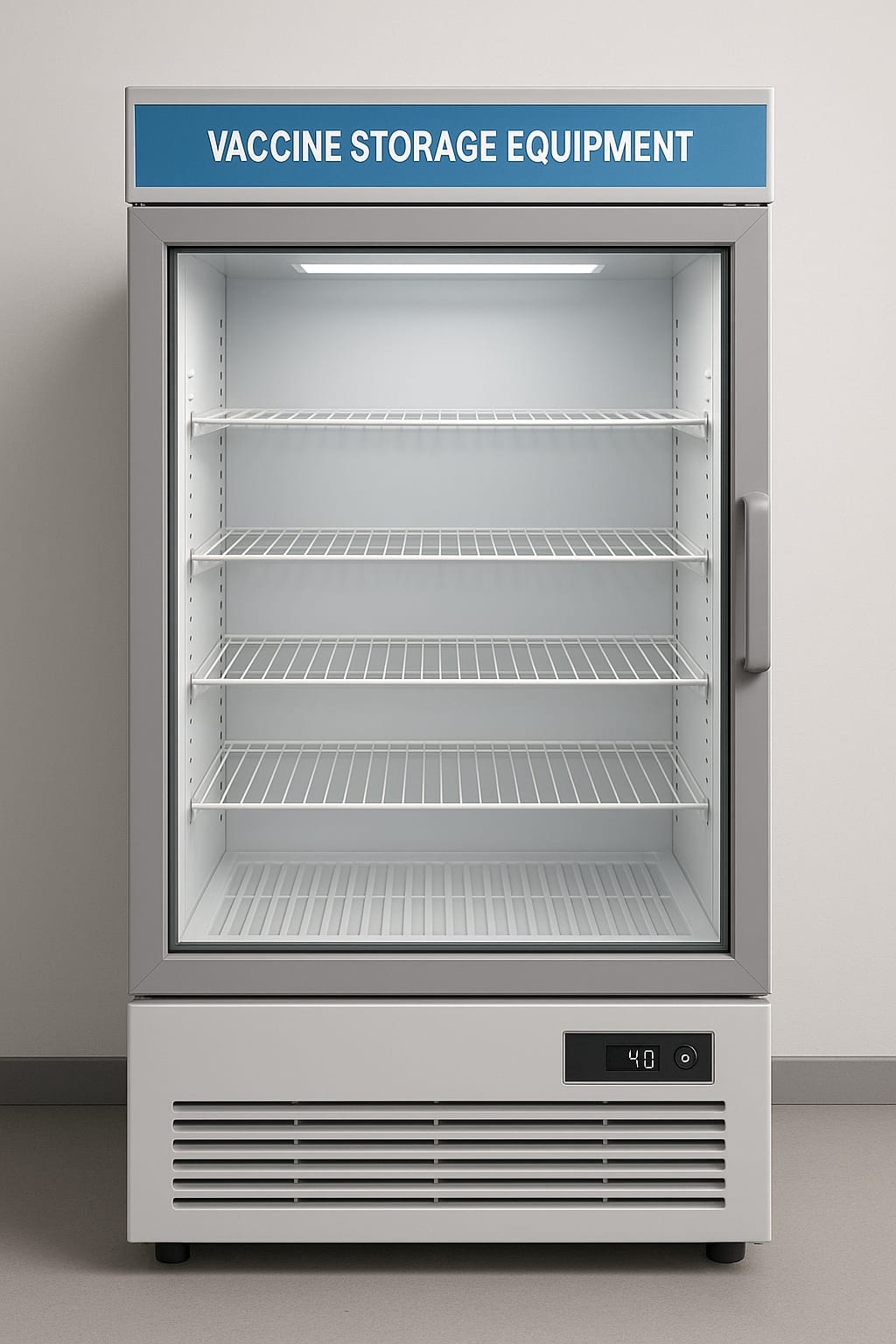
The vaccine storage equipment market in the United States is witnessing accelerated growth, driven by an increasing emphasis on immunization programs, heightened awareness around vaccine safety, and government-led initiatives to improve healthcare infrastructure. As demand for vaccines and biologics expands, particularly after the COVID-19 pandemic, reliable and efficient storage solutions have become indispensable to maintaining efficacy and ensuring successful distribution.
The United States has long been at the forefront of medical innovation and public health initiatives. However, the unprecedented demand for vaccines in recent years has highlighted the need for advanced storage and distribution technologies. Cold chain equipment, ranging from pharmaceutical-grade refrigerators and freezers to ultra-low temperature storage systems, is now considered a vital component in safeguarding vaccine potency. Industry analysts project that the market will continue its steady trajectory as pharmaceutical companies, hospitals, and research facilities invest heavily in upgraded storage infrastructure.
Key Drivers of Market Growth
1. Rising Immunization Coverage:
Public health agencies in the U.S. have significantly expanded vaccination campaigns, covering not only children but also adults and senior populations. Vaccines for influenza, HPV, hepatitis, and more recently COVID-19 boosters, require stringent storage standards. The broadened vaccination scope is creating continuous demand for reliable equipment.
2. Government and Private Investment:
Federal and state governments are allocating resources to strengthen cold chain capacity. Funding programs launched during the pandemic have extended to future preparedness initiatives, ensuring that healthcare providers are well-equipped with advanced vaccine storage systems. Additionally, private investments by pharmaceutical and biotechnology companies are further enhancing the market landscape.
3. Increasing Adoption of Temperature-Sensitive Biologics:
Beyond traditional vaccines, the United States is experiencing rapid growth in biologics and cell-based therapies. These products are highly sensitive to temperature variations, amplifying the importance of precision-controlled storage equipment. This trend has accelerated the adoption of high-performance refrigerators, freezers, and monitoring systems.
4. Technological Advancements:
Modern vaccine storage equipment is increasingly integrated with smart monitoring features such as real-time temperature tracking, automated alerts, and cloud-based data reporting. These innovations not only improve operational efficiency but also minimize the risk of wastage due to temperature excursions.
Market Segmentation Insights
The market can be broadly segmented into equipment type, end users, and distribution channels.
• By Equipment Type: Pharmaceutical-grade refrigerators and freezers dominate, followed by ultra-low temperature (ULT) freezers used for specialized vaccines such as mRNA-based COVID-19 vaccines. Portable cold storage units and insulated containers are also witnessing notable demand, especially in rural and remote areas.
• By End Users: Hospitals and clinics hold the largest share of vaccine storage equipment adoption. Pharmaceutical companies, research institutes, and diagnostic centers represent a fast-growing segment, as they continue to expand clinical research and large-scale production capacities.
• By Distribution Channel: Direct sales remain the primary distribution channel, with manufacturers increasingly partnering with healthcare distributors to reach wider audiences and improve after-sales support.
Competitive Landscape
The competitive environment in the U.S. vaccine storage equipment market is characterized by the presence of both global leaders and domestic manufacturers. Companies are actively focusing on product innovation, sustainability, and compliance with regulatory standards set by organizations such as the CDC and FDA.
Key strategies observed include:
• Launching energy-efficient and environmentally friendly refrigeration systems to reduce carbon footprint.
• Collaborating with healthcare providers to customize storage solutions according to specific vaccine requirements.
• Expanding service and maintenance networks to ensure reliability and minimize downtime.
Major players are also engaging in strategic partnerships and acquisitions to strengthen their positions. This trend reflects the highly dynamic nature of the market, with companies competing on both technological differentiation and service quality.
Challenges and Opportunities
While the growth outlook remains strong, the industry faces challenges such as high upfront costs for advanced storage equipment and the need for ongoing maintenance. Smaller healthcare facilities may find it difficult to afford cutting-edge solutions without government subsidies.
However, these challenges also create opportunities for innovation. Manufacturers are increasingly offering rental models, financing options, and modular solutions to cater to a broader customer base. Additionally, the push toward digital transformation in healthcare provides opportunities for integrating storage equipment with centralized data systems, improving visibility across the supply chain.
Future Outlook
The vaccine storage equipment market in the United States is expected to expand steadily over the next decade. Market analysts anticipate continued demand for ultra-low temperature systems, particularly as new classes of vaccines and biologics emerge. Moreover, emphasis on pandemic preparedness and public health resilience will further strengthen investment in reliable storage infrastructure.
With advancements in technology and greater collaboration between government, healthcare providers, and private industry, the U.S. market is well-positioned to remain a global leader in vaccine storage solutions. In the long term, sustainability and digital integration are expected to be defining trends, reshaping the way vaccines are stored, monitored, and delivered nationwide.
About the Creator
Keep reading
More stories from Rachel Paul and writers in Journal and other communities.
United States Healthcare Environmental Services Market Set for Strong Growth Amid Rising Focus on Infection Control and Patient Safety
The United States healthcare environmental services market is entering a new phase of transformation, driven by rising awareness about hospital-acquired infections (HAIs), the need for sustainable sanitation practices, and stringent regulatory guidelines. Healthcare providers are increasingly prioritizing cleanliness, patient safety, and infection prevention as essential elements of overall care delivery. This shift has not only elevated the importance of environmental service providers but has also opened new avenues for growth through innovative solutions such as green cleaning, advanced disinfection technologies, and digital monitoring tools.
By Rachel Paul3 months ago in Journal



Comments
There are no comments for this story
Be the first to respond and start the conversation.