
United States Biosimilars Market Set for Robust Expansion Amid Rising Demand for Affordable Biologic Alternatives
Patent expiries, GLP-1 biosimilar launches, and strategic collaborations drive the next phase of growth in the global biosimilars landscape
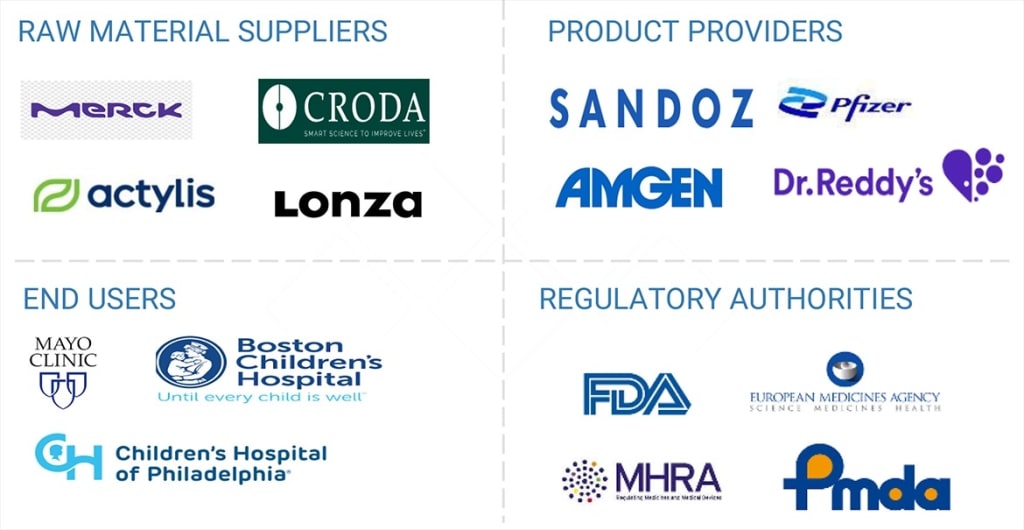
The global biosimilars market, valued at US$32.75 billion in 2024, grew to US$35.04 billion in 2025 and is forecasted to advance at a strong CAGR of 7.5% from 2025 to 2035, reaching an estimated US$72.29 billion by the end of the period. The market’s momentum is primarily attributed to increasing regulatory approvals, a steady pipeline of product launches, and the expiration of patents on high-value biologics. The rising global prevalence of chronic diseases, combined with cost containment pressures in healthcare systems, is pushing both public and private stakeholders to adopt biosimilars as cost-effective, high-quality alternatives to biologic drugs.
In recent years, biosimilars have transformed from a niche category into a cornerstone of the modern biopharmaceutical industry. They have emerged as essential tools for improving patient access to life-saving therapies while reducing the financial burden on healthcare systems. The development and commercialization of biosimilars are further being accelerated by growing research and development collaborations between established pharmaceutical companies and biotechnology innovators. Notably, the first biosimilar version of the GLP-1 agonist Semaglutide is expected to launch in China by 2026, potentially accounting for 25% of the global biosimilars market share by 2035. This milestone underscores how biosimilars are reshaping therapeutic access across multiple geographies and treatment areas.
Global Market Dynamics
Market Drivers: Expanding Approvals and Growing Demand for Affordable Therapies
The biosimilars sector’s growth trajectory is anchored in the rising demand for cost-effective alternatives to expensive biologic treatments. Biologics—used extensively in treating cancers, autoimmune diseases, and diabetes—are among the costliest pharmaceuticals on the market. As global healthcare expenditures escalate, biosimilars have become vital to addressing both affordability and accessibility challenges.
In addition, regulatory agencies such as the FDA, EMA, and PMDA have refined their approval frameworks, fostering confidence among healthcare providers and patients. This regulatory evolution, combined with awareness initiatives promoting biosimilar equivalence to originator biologics, has encouraged adoption worldwide.
Leading pharmaceutical companies have also intensified their focus on biosimilar portfolios. Amgen is developing biosimilars for infliximab and rituximab, anticipating the expiration of key biologic patents such as Xgeva in 2025. Novartis has reorganized its operations to emphasize biosimilar R&D, while Roche has expanded patient convenience through innovations like the subcutaneous formulation of Herceptin. These developments illustrate a maturing and competitive landscape where biosimilars are no longer secondary options but integral components of strategic growth.
Market Restraints: Manufacturing Complexities and Cost Barriers
Despite its growth, the biosimilars market faces formidable challenges, particularly in manufacturing and regulatory compliance. Unlike generic drugs, biosimilars are derived from living organisms, making their production inherently complex. Achieving structural and functional comparability to the original biologic requires advanced bioprocessing technologies, significant capital investment, and strict adherence to quality standards.
The cost of developing a biosimilar can range from tens of millions to as high as US$250 million, with timelines spanning five to seven years. Clinical trials—often involving diverse patient populations—are essential for proving biosimilarity in terms of efficacy, safety, and immunogenicity. These high entry barriers have limited the participation of smaller firms, allowing established players like Sandoz, Pfizer, and Amgen to dominate the field. Nevertheless, as technology evolves and regulatory harmonization progresses, production costs are expected to gradually decline, allowing for broader participation in the sector.
Market Opportunities: The Advent of GLP-1 Biosimilars
The upcoming GLP-1 (glucagon-like peptide-1) biosimilars segment represents a game-changing opportunity for the biosimilars industry. The widespread adoption of GLP-1 receptor agonists, including semaglutide (Ozempic/Wegovy) and liraglutide (Victoza), for diabetes and obesity treatment has fueled immense global demand. With these drugs approaching patent expiry—liraglutide’s patent ended in May 2024, and semaglutide’s is due in 2031 globally (2026 in China)—biosimilar manufacturers are racing to capture this lucrative space.
Companies like Hangzhou Jiuyuan Gene Engineering, a subsidiary of Huadong Medicine, are at the forefront, with regulatory submissions for semaglutide biosimilars already underway in China. The anticipated launch of these products will not only reduce treatment costs but also expand access to essential medications in emerging markets. As diabetes and obesity rates continue to climb globally, the GLP-1 biosimilar wave is poised to reshape therapeutic affordability and healthcare delivery.
Market Challenges: Intensifying Competition and Strategic Innovation
Competition in the biosimilars arena is escalating rapidly as both originator biologic companies and biosimilar manufacturers vie for market share. Innovators are responding with lifecycle management strategies, such as reformulations, subcutaneous versions, and combination therapies, to retain brand loyalty. Additionally, the cost of maintaining R&D pipelines and regulatory compliance continues to rise, challenging smaller firms to sustain profitability.
Furthermore, navigating market access barriers—such as physician skepticism, complex pricing models, and varying reimbursement policies—remains a persistent hurdle. To overcome these obstacles, manufacturers are increasingly engaging in strategic alliances and co-marketing agreements to enhance global reach and operational efficiency.
Market Segmentation Insights
By Drug Class: Monoclonal Antibodies Lead the Market
Among all drug classes, monoclonal antibodies (mAbs) held the largest market share in 2024. These biologic therapies, targeting specific antigens in diseases like cancer and autoimmune disorders, have revolutionized modern medicine. Biosimilars of mAbs—including infliximab, adalimumab, rituximab, and trastuzumab—have significantly reduced treatment costs, making them more accessible to patients worldwide.
With numerous blockbuster mAb patents nearing expiration, competition is intensifying. This has encouraged greater R&D investment and strategic collaborations to develop next-generation biosimilars. The mAb segment’s clinical diversity—from oncology to rheumatology—ensures that it will remain the cornerstone of biosimilar innovation throughout the forecast period.
By Indication: Oncology Dominates Market Share
Oncology accounted for the largest share of the biosimilars market in 2024. Rising global cancer prevalence and the high cost of biologic treatments are key growth drivers. Biosimilars have proven instrumental in improving cancer treatment accessibility, with products such as trastuzumab, bevacizumab, and rituximab leading adoption.
In April 2025, Biocon achieved a major milestone with the FDA approval of Jobevne (bevacizumab-nwed), reinforcing its growing global footprint. Similarly, Europe continues to lead in biosimilar adoption, driven by a supportive regulatory framework and increasing investment in biologic R&D. The European Medicines Agency (EMA) has approved over 130 biosimilars, with the European Commission recently endorsing Biocon Biologics’ ustekinumab biosimilar YESINTEK in February 2025.
Regional Landscape: Europe and Asia Pacific at the Forefront
Europe remains the largest market for biosimilars, underpinned by early adoption, well-established regulatory pathways, and government initiatives encouraging biosimilar use. Key markets—Germany, France, Spain, Italy, and the UK—collectively dominate European biosimilar consumption.
Meanwhile, Asia Pacific is witnessing rapid growth driven by rising healthcare expenditure, expanding pharmaceutical industries, and increasing biosimilar production capacities in India, China, and South Korea. The launch of GLP-1 biosimilars in China and the expanding biopharma ecosystem across the region will play pivotal roles in the market’s next phase of expansion.
Key Market Players
Prominent players shaping the biosimilars market include:
Sandoz Group AG (Switzerland), Pfizer Inc. (US), Amgen Inc. (US), Celltrion Healthcare Co., Ltd. (South Korea), Biocon Limited (India), Dr. Reddy’s Laboratories Ltd. (India), Eli Lilly and Company (US), Teva Pharmaceutical Industries Ltd. (Israel), Fresenius Kabi AG (Germany), STADA Arzneimittel AG (Germany), Boehringer Ingelheim International GmbH (Germany), Samsung Biologics Co., Ltd. (South Korea), Amneal Pharmaceuticals LLC (US), Coherus BioSciences Inc. (US), Bio-Thera Solutions Ltd. (China), Aprogen Inc. (South Korea), and Shanghai Henlius Biopharmaceuticals Inc. (China).
Outlook
As the global biosimilars market continues its upward trajectory, the next decade will be characterized by innovation, collaboration, and competition. The convergence of patent expiries, evolving regulatory frameworks, and increasing acceptance among healthcare providers positions biosimilars as a cornerstone of sustainable healthcare systems worldwide. With leading pharmaceutical and biotechnology companies investing heavily in pipeline expansion and global market penetration, the biosimilars industry is poised to redefine the future of affordable biologic therapy across every major therapeutic domain.
About the Creator
Keep reading
More stories from Juan Martinez and writers in Journal and other communities.
United States Lab Automation Market Set to Surge with Rising Demand for High-Throughput Screening and AI-Driven Solutions
The United States lab automation market, a rapidly evolving segment of the global life sciences industry, is witnessing significant growth as laboratories and research institutions increasingly adopt automated solutions to enhance efficiency, precision, and productivity. Valued at US$6.36 billion in 2025, the market is projected to grow at a resilient compound annual growth rate (CAGR) of 7.2% from 2025 to 2030, reaching an estimated US$9.01 billion by the end of the forecast period. This surge is largely driven by the rising demand for high-throughput screening technologies, which enable the rapid processing of large volumes of samples in drug discovery, clinical diagnostics, and research laboratories.
By Juan Martinez3 months ago in Journal
Why Catholics Confess Sins to a Priest Instead of Directly to God
One of the most common questions about the Catholic faith is why Catholics confess their sins to a priest instead of speaking directly to God. At first glance, this practice may seem unusual to those unfamiliar with Church teaching. After all, isn’t God all-knowing and capable of hearing our hearts directly? The answer lies in the teachings of Christ, the mission of the apostles, and the Church’s understanding of forgiveness, accountability, and healing.
By Sound and Spirit5 days ago in Journal


Comments
There are no comments for this story
Be the first to respond and start the conversation.