
Understanding the Psychological Evaluation in the MPU: What to Expect and How to Prepare
A complete guide to the psychological component of the MPU and how to succeed without fear or confusion.

The psychological assessment is the most feared part of the MPU – but it doesn’t have to be. This blog breaks down what actually happens during the psychological evaluation, what psychologists look for, and how you can prepare in advance to pass with confidence.
In this comprehensive blog, we explore the psychological evaluation aspect of the MPU (Medical-Psychological Assessment), including the structure of the interview, common questions, what psychologists assess, and how to prepare mentally and emotionally. We'll also cover common myths and provide expert-based tips to reduce anxiety and improve your chances of passing.
Introduction
The Medical-Psychological Assessment, commonly known as the MPU, is an important step for many drivers in Germany who wish to regain their driving license after a serious traffic offense. Among the three main components – medical check, performance tests, and psychological evaluation – the psychological part is often the most anxiety-inducing. It feels personal, intrusive, and many believe it’s designed to make you fail.
But that’s not true.
If you're wondering, “Was passiert beim psychologischen Gespräch?” (What happens in the psychological interview?), or if you’re unsure how to prepare, this blog will explain every step clearly.
What Is the Psychological Evaluation in the MPU?
The psychological assessment is an interview conducted by a licensed psychologist. It typically lasts 45 to 60 minutes. The goal is to evaluate whether you’ve understood your past behavior, taken responsibility, and made sustainable changes that will prevent you from repeating those mistakes in the future.
This part of the MPU especially focuses on:
• Selbstreflexion (self-reflection)
• Verhaltensänderung (behavioral change)
• Einsicht (insight)
• Risikokompetenz (risk competence)
The psychologist wants to ensure you're no longer a risk to road safety.
What Type of Offenses Lead to Psychological Evaluation?
The MPU is ordered by the Führerscheinstelle (driving license authority) for serious or repeated violations. Some examples include:
• Alkoholdelikt (alcohol offense): e.g. BAC over 1.6‰
• Drogendelikte (drug offenses): even occasional use
• Wiederholungstäter (repeat offender): multiple traffic violations
• Aggressives Fahrverhalten (aggressive driving)
• Punkte in Flensburg (too many demerit points)
These cases typically require deep psychological review.
Structure of the Psychological Interview
The structure can vary slightly, but it usually follows this flow:
1. Introduction and personal background
- Family, work, daily life
- Social background and education
2. Discussion of the offense(s)
- “What happened?”
- “What was your mindset at the time?”
- “What have you learned since then?”
3. Evaluation of behavioral change
- Participation in MPU Vorbereitung (preparation courses)
- Abstinence from alcohol or drugs (if applicable)
- Therapy or counseling participation
4. Future planning
- “What will you do differently now?”
- “How will you ensure you don’t repeat the mistake?”
Common Questions During the MPU Psychological Interview
Some typical questions include:
- “Was war Ihr Motiv für das Verhalten?” (What was your motive for the behavior?)
- “Wie haben Sie sich danach gefühlt?” (How did you feel afterward?)
- “Was hat sich seitdem geändert?” (What has changed since then?)
- “Wie wollen Sie solche Fehler in Zukunft vermeiden?” (How will you avoid such mistakes in the future?)
These questions are designed to test your self-awareness and sincerity.
What Do Psychologists Look For?
Psychologists look for three main pillars:
- Einsicht – Insight into the problem
- Verhaltensänderung – Sustainable behavioral change
- Zukunftsplanung – A clear, realistic prevention strategy
Superficial answers or memorized phrases from MPU forums often result in a negative opinion.
Tips to Pass the Psychological Evaluation
- Be honest, even if the truth is uncomfortable
- Avoid blaming others
- Show that you’ve taken concrete steps to change
- Practice self-reflection with a MPU Coach or Therapist
- Join a preparation course if unsure
Myths About the Psychological Evaluation
Let’s clear up some popular Missverständnisse (misunderstandings):
- “They want to trick you.” – False. The goal is to assess risk, not trap you.
- “One wrong answer and you fail.” – Not true. It’s a holistic judgment.
- “You have to act perfect.” – Actually, psychologists prefer authentic over perfect.
The Role of Abstinence and Proof
If your offense involved alcohol or drugs, proof of abstinence (e.g., Haartests, Urinscreenings) might be essential. Many psychologists expect at least 6 to 12 months of abstinence before giving a positive opinion.
This is especially true in cases involving:
- THC (Cannabis)
- Amphetamin (Amphetamines)
- Kokain (Cocaine)
- Alkoholabhängigkeit (Alcohol dependency)
How to Prepare Effectively
Preparation can drastically increase your chances of success. Consider:
- Working with a MPU Anwalt (MPU lawyer)
- Attending a structured MPU Vorbereitungskurs
- Speaking with a Verkehrspsychologe (traffic psychologist)
These steps help build the insight, structure, and confidence needed for a successful interview.
Trusted Support from Legal Experts
“Why I Recommend Kanzlei Nattermann for MPU Support”
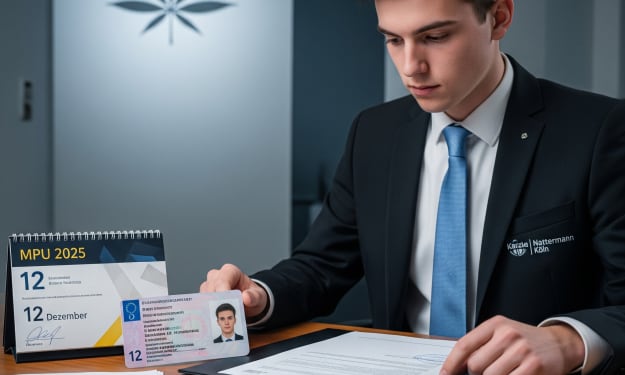
While navigating my own research on the MPU, I came across Kanzlei Nattermann based in Cologne. Their specialization in Verkehrsrecht (traffic law) and deep experience with MPU Verfahren (MPU procedures) make them a great choice for those seeking legal help or guidance through the preparation process. They are highly responsive, transparent in communication, and offer solid support throughout your case – whether it’s for license reinstatement or preparing you for the psychological interview.
Conclusion
Passing the psychological evaluation of the MPU isn’t about being perfect. It’s about being honest, reflective, and proactive in changing your behavior. With the right preparation, mindset, and possibly professional help, you can succeed and drive again with confidence.
About the Creator
Making Time for God: Daily Prayer in a Busy Life
Life is busy. Work, family, errands, and responsibilities often fill every corner of the day, leaving little space for reflection or prayer. Yet daily prayer is one of the most powerful tools a Catholic has for staying grounded, cultivating patience, and experiencing God’s presence in every moment. Finding ways to integrate prayer into a busy life is not about creating a rigid schedule; it is about building habits that allow moments of connection, however brief, to become transformative.
By Sound and Spiritabout 2 hours ago in Journal


Comments
There are no comments for this story
Be the first to respond and start the conversation.