
Understanding the Difference Between Prebiotics and Probiotics
Gut Foundation

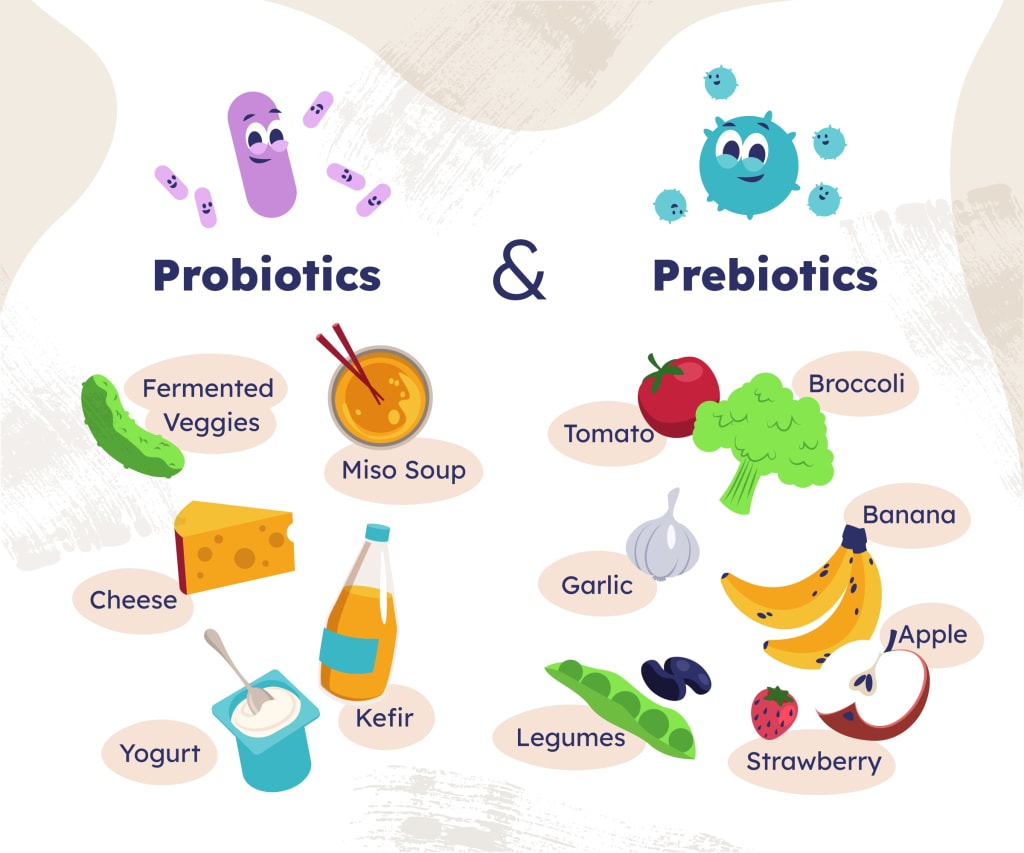
In the world of gut health, prebiotics and probiotics are often discussed, but many people are unsure of the difference between prebiotics and probiotics. Both play an essential role in supporting a healthy digestive system, but they function in different ways. Understanding how these two elements contribute to overall health can help you make informed choices about your diet and supplements.
In this article, we’ll dive into the core differences between prebiotics and probiotics, how they work, and why they are important for your digestive health.
What are Prebiotics?
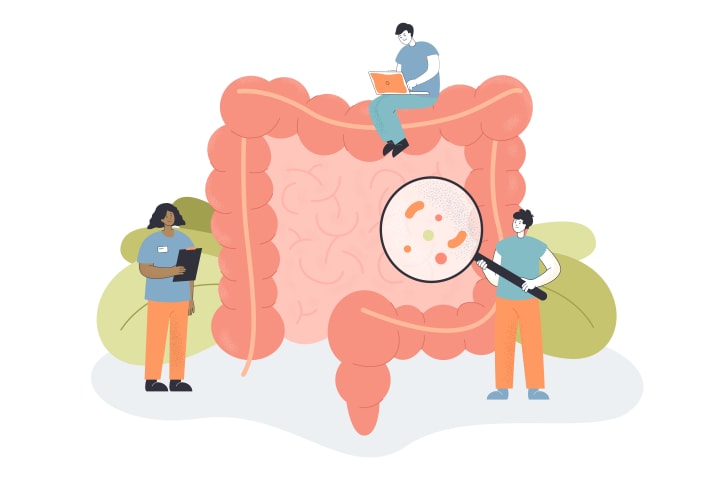
Prebiotics are a type of dietary fiber that serves as food for the beneficial bacteria in your gut. These fibers aren’t digestible by your body, but they pass through your digestive system and reach the colon, where they act as nourishment for good bacteria. By consuming prebiotic-rich foods, you help create an environment in your gut where these healthy bacteria can thrive.
Common Sources of Prebiotics:
Bananas
Garlic
Onions
Leeks
Asparagus
Whole grains
What are Probiotics?
Probiotics, on the other hand, are live bacteria or yeasts that are beneficial for your digestive system. Often referred to as “good bacteria,” probiotics are found naturally in fermented foods and supplements. These living microorganisms help balance the gut flora by introducing more beneficial bacteria, which can improve digestion, boost the immune system, and prevent the growth of harmful bacteria.
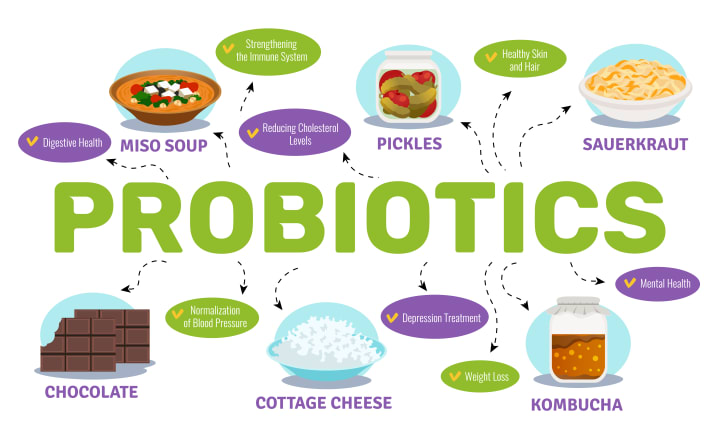
Common Sources of Probiotics:
Yogurt
Sauerkraut
Kimchi
Kefir
Miso
Fermented cheeses
Key Differences Between Prebiotics and Probiotics
While prebiotics and probiotics both support gut health, their roles are distinct. Understanding these differences is crucial for maintaining a balanced digestive system.
1. Function
Prebiotics act as food for the probiotics or beneficial bacteria already in your gut. They are non-digestible fibers that promote the growth of good bacteria.
Probiotics are live bacteria or yeasts that add to the population of beneficial microbes in your digestive system.
2. Source
Prebiotics are found in high-fiber foods like fruits, vegetables, and whole grains. They are not living organisms.
Probiotics are live microorganisms found in fermented foods like yogurt, kefir, and sauerkraut, or in dietary supplements.
3. Impact on Gut Health
Prebiotics help the good bacteria that are already present in the gut grow and multiply. This promotes a healthy balance of bacteria in the digestive system.
Probiotics introduce new strains of beneficial bacteria into the gut, which can help restore the balance of gut flora, especially after a disruption like antibiotic use or digestive disorders.
4. Beneficial Outcomes
Prebiotics promote long-term gut health by creating a favorable environment for good bacteria to flourish.
Probiotics can provide more immediate benefits by directly increasing the population of beneficial bacteria in the gut.
Why You Need Both Prebiotics and Probiotics
For optimal digestive health, it’s important to have both prebiotics and probiotics in your diet. Think of prebiotics as the fuel that allows probiotics to do their job effectively. Without prebiotics, probiotics might not survive long enough in the gut to make a significant difference. A balanced intake of both can help maintain a healthy digestive system, improve immune function, and even contribute to better mental health.
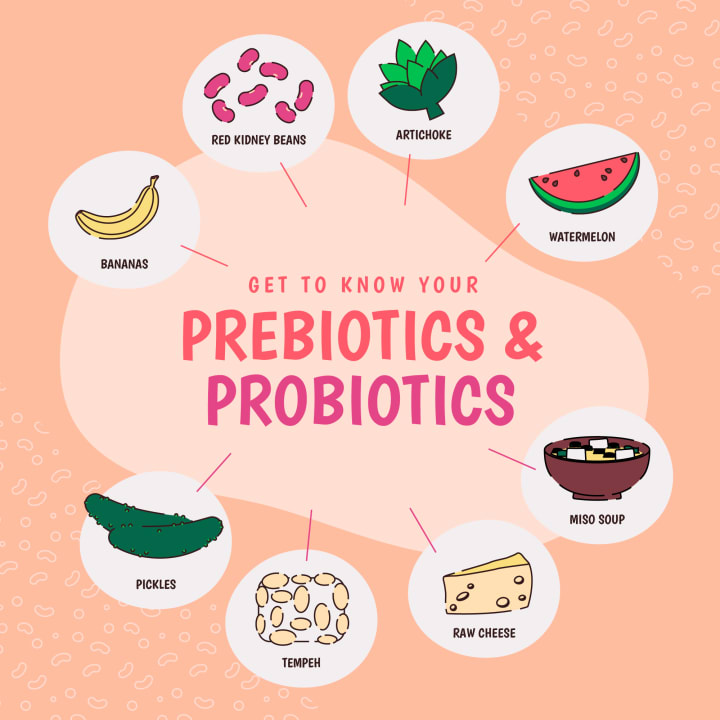
Benefits of Prebiotics and Probiotics Together:
Improved digestion and nutrient absorption
Enhanced immune system function
Prevention of gastrointestinal issues like constipation and diarrhea
Better mood regulation through the gut-brain axis
Conclusion
In summary, the difference between prebiotics and probiotics comes down to their roles and sources. Prebiotics are non-digestible fibers that feed the beneficial bacteria in your gut, while probiotics are live bacteria that help balance your gut flora. Incorporating both into your diet can lead to better digestive health, a stronger immune system, and overall well-being.
To achieve the best results, focus on a balanced diet rich in both prebiotic fibers and probiotic foods. By doing so, you’ll be supporting your gut microbiome and contributing to long-term health.
About the Creator
Gut Foundation
Probiotics are live microorganisms, such as yeasts or bacteria, which are also known as "friendly" bacteria. These microorganisms are similar to the beneficial bacteria that naturally occur in the human gut and have many health benefits.
Keep reading
More stories from Gut Foundation and writers in Journal and other communities.
The Benefits of Gut Microbiome Supplements for Digestive Health
The human gut is home to trillions of microorganisms, collectively known as the gut microbiome, which play a critical role in digestion, immunity, and overall well-being. Maintaining a balanced gut microbiome is essential for good health, and this is where gut microbiome supplements come into play. These supplements, often containing probiotics, prebiotics, or a combination of both, can help support the natural ecosystem of bacteria in the digestive tract. In this article, we'll explore the benefits of gut microbiome supplements and how they can improve digestive health and beyond.
By Gut Foundationabout a year ago in Journal
Thoughts on Vocal and the way the world is
"Death cannot stop true love, only delay it." – Wesley in The Princess Bride. I decided to come back to Vocal on a very cold and dark night at the end of December. I had been, and still am, convalescing from a horrible staph infection that had gone misdiagnosed for months. This, paired with the increasing challenges of being healthy, making the best choices for my co-parented child, being a wife, and being a director at a new job, was a lot to manage.
By Jazzy 7 days ago in Confessions




Comments
There are no comments for this story
Be the first to respond and start the conversation.