
Understanding Place of Service (POS) Codes in Medical Billing
All POS codes in medical billing list: Access complete 2025 guide with 0+ place of service codes, common errors, & expert tips to maximize reimbursements.

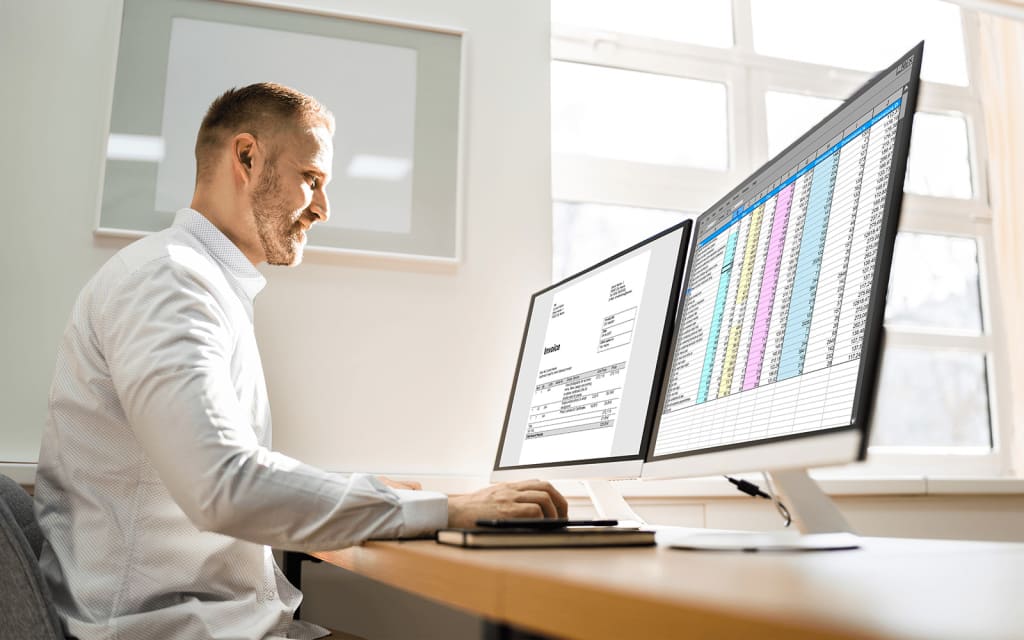
Imagine going to the doctor for a checkup. The doctor helps you, but how does the doctor get paid? There’s a special system called medical billing that helps doctors, hospitals, and insurance companies figure out how much money is owed for your visit. A big part of this system is something called Place of Service (POS) codes. These codes tell everyone where you got your medical care—like at a doctor’s office, a hospital, or even your home!
In this article, we’ll explain what POS codes are, why they’re important, and how they work in medical billing. We’ll cover every detail in a way that’s super easy to understand, even for a 5th grader. Whether you’re curious about medical billing or want to learn something new, this guide has you covered. Let’s dive in!
What Are Place of Service (POS) Codes?
POS codes are like labels that tell insurance companies where a doctor or nurse helped a patient. These labels are two-digit numbers, and each number stands for a different place where medical care happens. For example:
POS 11 means the care happened in a doctor’s office.
POS 21 means the care happened in a hospital where the patient stayed overnight.
POS 02 means the care happened through a video call (telehealth).
Think of POS codes like tags on your clothes that say where they were made. These codes help insurance companies know exactly where the doctor worked so they can pay the right amount. The Centers for Medicare & Medicaid Services (CMS), a government group, created these codes to make medical billing fair and organized.
Why Are POS Codes Important?
POS codes are super important because they help make sure doctors and hospitals get paid correctly. Here’s why they matter:
Fair Payment: Different places cost different amounts to run. A hospital (POS 21) costs more to operate than a doctor’s office (POS 11), so insurance companies pay more for hospital care. Using the right POS code makes sure the payment matches the place.
Avoiding Mistakes: If a doctor uses the wrong POS code, the insurance company might not pay them, or they might pay too little. This can cause delays or even trouble for the doctor’s office.
Following Rules: Insurance companies and the government have strict rules about billing. Using the correct POS code keeps everything legal and fair.
Tracking Care: POS codes help the government see where people are getting medical care. This helps them plan better healthcare services.
For example, if a doctor sees you in their office but accidentally uses POS 22 (hospital outpatient), the insurance company might pay less than they should. That’s why getting the code right is a big deal!
How Do POS Codes Work?
POS codes are used when a doctor sends a bill (called a claim) to an insurance company. The claim is like a receipt that says, “I helped this patient, and here’s where it happened.” The POS code goes on a special form called the CMS-1500 form, which is used for most medical billing.
Here’s how it works, step by step:
Doctor Helps a Patient: Let’s say you visit a doctor’s office for a checkup. The doctor uses POS 11 because that’s the code for an office visit.
Filling Out the Form: The doctor’s office fills out the CMS-1500 form with details like your name, what the doctor did, and the POS code (11 in this case).
Sending the Claim: The form is sent to the insurance company, which checks the POS code to decide how much to pay.
Getting Paid: If everything is correct, the insurance company sends money to the doctor’s office.
If the wrong POS code is used, the insurance company might say, “Wait, this doesn’t look right!” and not pay until the mistake is fixed. That’s why doctors and their billing teams have to be super careful.
Common POS Codes and What They Mean
There are over 80 POS codes, but don’t worry—we’ll explain the most common ones in a simple way! Here’s a list of some important POS codes and the places they stand for:
POS 02 – Telehealth: This is for doctor visits that happen over the phone or video call, not in the patient’s home.
POS 10 – Telehealth in Patient’s Home: This is for video or phone visits when the patient is at home.
POS 11 – Office: This is for visits to a doctor’s office or clinic where you go for checkups or small treatments.
POS 12 – Home: This is for when a doctor or nurse visits you at your house.
POS 21 – Inpatient Hospital: This is for care in a hospital where you stay overnight, like for surgery.
POS 22 – On-Campus Outpatient Hospital: This is for care in a hospital where you don’t stay overnight, like a quick test or procedure.
POS 23 – Emergency Room: This is for care in a hospital’s emergency room.
POS 31 – Skilled Nursing Facility: This is for care in a nursing home where people stay for a long time.
Each code helps insurance companies know exactly where the care happened so they can pay the right amount. For example, a checkup in a doctor’s office (POS 11) costs less than the same checkup in an emergency room (POS 23).
Facility vs. Non-Facility POS Codes
POS codes are split into two big groups: facility and non-facility. Let’s break it down:
Facility POS Codes: These are for places like hospitals (POS 21), emergency rooms (POS 23), or nursing homes (POS 31). These places have a lot of equipment and staff, so they cost more to run. Insurance companies pay more for care in these places.
Non-Facility POS Codes: These are for places like a doctor’s office (POS 11) or your home (POS 12). These places cost less to run, so insurance companies usually pay less for care here.
For example, if a doctor does a test in their office (POS 11, non-facility), they get paid more than if they do the same test in a hospital (POS 22, facility). This is because the hospital charges extra for things like beds and machines, so the doctor’s payment is lower.
POS Codes and Telehealth
Telehealth is when you talk to a doctor through a video call or phone instead of going to their office. It’s become really popular, especially since the COVID-19 pandemic. POS codes for telehealth are special because they show that the care didn’t happen in person. The two main telehealth codes are:
POS 02: Telehealth not in the patient’s home, like if you’re at a clinic using their video system.
POS 10: Telehealth in the patient’s home, like if you’re using your own computer or phone.
Using the right telehealth code is super important because insurance companies have different rules for telehealth. For example, if a doctor uses POS 11 (office) for a video call, the claim might get denied because it wasn’t an in-person visit.
Common Mistakes with POS Codes
Even doctors and billing experts make mistakes sometimes! Here are some common errors with POS codes and how to avoid them:
Using the Wrong Code: A doctor might use POS 22 (hospital outpatient) instead of POS 11 (office) by mistake. This can lead to lower payments or claim denials.
Mixing Up Telehealth Codes: Using POS 11 for a telehealth visit instead of POS 02 or POS 10 can cause problems.
Not Updating Codes: CMS sometimes changes POS codes, and doctors need to stay updated. Using an old code can lead to denials.
Not Checking the Location: If a doctor works in a hospital but rents their own office space, they need to use POS 11, not POS 22.
To avoid these mistakes, doctors and billing teams can:
Double-check the POS code before sending the claim.
Use billing software that flags wrong codes.
Train staff on the latest POS code rules.
How POS Codes Affect Reimbursement
Reimbursement is the money a doctor or hospital gets from an insurance company for helping a patient. POS codes play a big role in how much money they get. Here’s how:
Different Rates for Different Places: A procedure in a hospital (POS 21 or 22) usually gets a lower doctor payment than the same procedure in an office (POS 11) because the hospital charges extra fees.
Facility vs. Non-Facility Rates: Non-facility settings like offices (POS 11) often pay doctors more because they cover their own costs, like rent and supplies. Facility settings like hospitals (POS 22) pay less to doctors because the hospital handles those costs.
Telehealth Reimbursement: Telehealth codes (POS 02 and 10) have special rules, and some insurance companies pay less for telehealth than in-person visits.
For example, a routine checkup in a doctor’s office (POS 11) might pay the doctor $100, but the same checkup in a hospital outpatient department (POS 22) might pay only $70 because the hospital charges separately.
Updates to POS Codes in 2025
CMS updates POS codes sometimes to keep up with changes in healthcare. In 2025, there are some new things to know:
More Audits: CMS is checking POS codes more closely to make sure they’re correct. This helps prevent mistakes and fraud.
AI Billing Systems: New technology is helping doctors pick the right POS codes automatically, which reduces errors.
Telehealth Changes: POS 02 and POS 10 are being used more as telehealth grows. Doctors need to use these codes correctly to avoid claim denials.
Staying updated on these changes is important for doctors and billing teams to keep their claims smooth and avoid problems.
Tips for Using POS Codes Correctly
To make sure POS codes are used right, here are some tips for doctors and billing teams:
Create a Reference Guide: Make a list of common POS codes and what they mean to avoid mistakes.
Double-Check Claims: Always review the POS code before sending a claim to the insurance company.
Use Billing Software: Modern software can catch POS code errors before claims are sent.
Train Staff: Teach everyone in the office about POS codes and how to use them.
Stay Updated: Check CMS websites or newsletters for any changes to POS codes.
By following these tips, doctors can avoid delays, denials, and audits, and get paid faster!
Why POS Codes Matter to Patients
You might be wondering, “Why should I care about POS codes?” Even though patients don’t use these codes, they affect you! Here’s how:
Correct Billing: If the doctor uses the wrong POS code, your bill might be wrong, and you could get charged too much.
Faster Care: When billing is done right, doctors get paid on time, which helps them focus on helping you.
Fair Costs: POS codes help make sure insurance companies pay the right amount, which can keep your medical costs fair.
If you ever get a medical bill that looks strange, you can ask the doctor’s office to check the POS code. It might help fix the problem!
Conclusion: POS Codes Make Medical Billing Work
Place of Service (POS) codes are like the secret helpers of medical billing. They tell insurance companies where a doctor helped a patient, making sure everyone gets paid the right amount. From doctor’s offices (POS 11) to hospitals (POS 21) to telehealth calls (POS 02), these codes keep the healthcare system running smoothly.
By understanding POS codes, doctors can avoid mistakes, get paid faster, and follow the rules. Patients benefit too, with fair bills and better care. Whether you’re a kid curious about how doctors get paid or someone learning about healthcare, POS codes are an important part of the story!
Want to learn more? Check out the CMS website for the full list of POS codes or ask your doctor’s office how they use them. If you have questions about medical billing, leave a comment below—we’d love to help!
Related Guide:
Expert Guide on Contractual Adjustment in Medical Billing
Nursing Home Billing Codes and Guidelines
Hospital Billing vs Professional Billing Explained
Why Monitoring PC Ratio Is Critical for Financial Success
What are 3 Different Types of Billing Systems in Healthcare?
Difference Between Reversal and Recoupment in Medical Billing
POS 11 in Medical Billing – Complete Guide For Healthcare Providers
Everything To Know About A Clean Claim In Medical Billing?
Why is HIPAA Important for Billing and Coding – Practitioner’s Guide
Practitioner’s Guide To A Successful Medical Billing Process
Understanding The Cost of Medical Billing Services in 2025
How To Maximize Collections From Patient Services Billing
Comprehensive Guide on Medical Billing And Coding – 2025
All You Need To Know About Claim Adjudication in 2025
How To Deal With AR in Medical Billing – Expert Guide for 2025
Medical Credentialing Process of Healthcare Providers
How to Handle Billing Claim Rejections and Denials?
How to Reduce Rejections with Denial Management in Healthcare?
Looking To Take Stress Out Of Your Practice?
About the Creator
Cleta D Harrison
Cleta D. Harrison is a skilled medical billing expert with 10+ years of experience in claims processing, coding, and revenue cycle management. Known for accuracy, compliance, and streamlining billing operations across healthcare settings.
Keep reading
More stories from Cleta D Harrison and writers in Journal and other communities.
Understanding POS 22 in Medical Billing: A Friendly Guide
Imagine going to the doctor for a check-up or a test, like getting an X-ray. When the doctor sends the bill to your parents’ insurance company, they need to tell the insurance company where you got that care. Was it at the doctor’s office? A hospital? Somewhere else? That’s where something called a Place of Service (POS) code comes in! One important code is POS 22, and today, we’re going to learn all about it in a way that’s super easy to understand, even for a 5th grader like you!
By Cleta D Harrison8 months ago in Journal
The goals I did not achieve
Every writing goal I made for the year is a wash. It has been this way for a while, but I think it's important to be open about my failures and the reality of how life can get in the way. This is especially true considering the several times I have posted on Vocal about my writing goals, how I was changing my approach, and where I was hoping to be for the upcoming year. I will probably do that again in a couple months, but for now, it is time to acknowledge where I am today.
By Kay Husnick21 days ago in Journal
How to Put Out Electrical Fire Without Causing More Damage
By the time the smoke has cleared and the room seems still, the true extent of the destruction caused by an electrical fire is usually on display-melting wires, burned outlets, and blackened walls and, in rare instances, preventable injuries. The spread of most electrical fires is not because they are, powerful, but rather because people act in a wrong manner. Knowledge of the safety of extinguishing electrical fire is not only related to the prevention of fire, but also to the prevention of a small fire turning into a very expensive tragedy.
By Deborah Larson4 days ago in Journal


Comments
There are no comments for this story
Be the first to respond and start the conversation.