
How to Put Out Electrical Fire Without Causing More Damage
Simple safety steps every home and workplace should know when electrical fires strike.

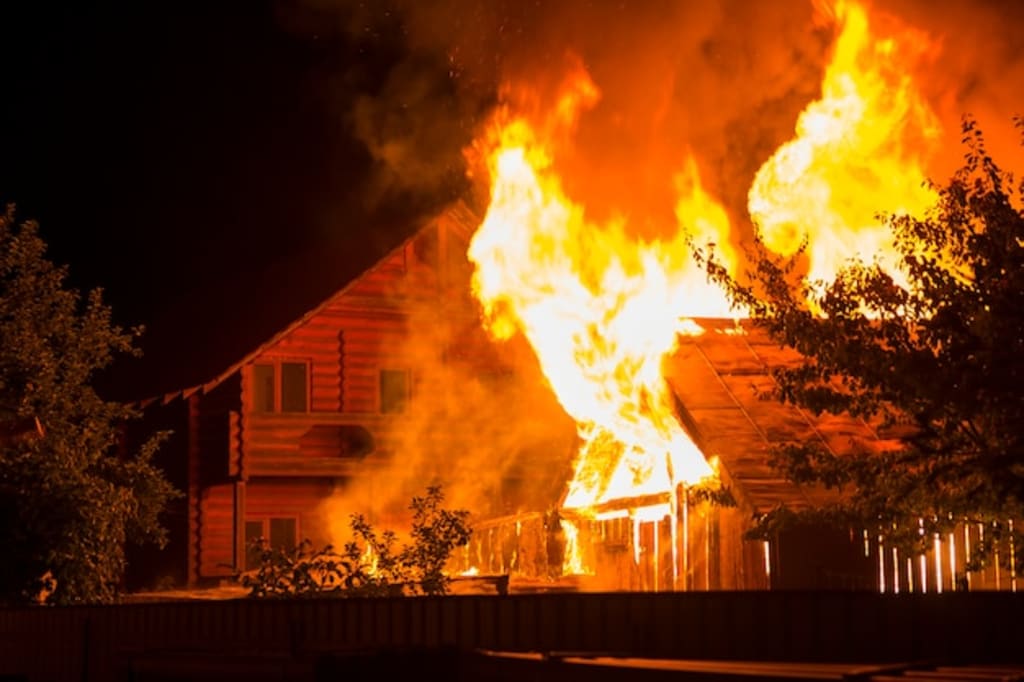
By the time the smoke has cleared and the room seems still, the true extent of the destruction caused by an electrical fire is usually on display-melting wires, burned outlets, and blackened walls and, in rare instances, preventable injuries. The spread of most electrical fires is not because they are, powerful, but rather because people act in a wrong manner. Knowledge of the safety of extinguishing electrical fire is not only related to the prevention of fire, but also to the prevention of a small fire turning into a very expensive tragedy.
Why electrical fires are different from other fires
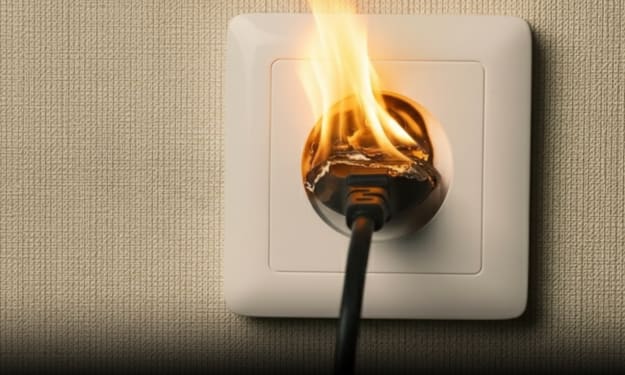
Electrical fires begin when the electricity gets out of track. Examples of triggers include faulty wiring, overloading outlet, damaged cords, or malfunctioning appliances. Electrical fires do not go out like paper or grease fires because they remain hot until the electric supply is cut off. This is why water, which is usually the first thought, can transform a situation that is controllable to a life threatening situation. Electricity and water are not mixable and addition of water may result in shock, sparks and even re-ignition of fire.
What does an electrical fire smell like before flames appear?
Most electrical fires will provide warnings way before smoke or fire will appear. A very widespread symptom is smell. The question that people frequently ask themselves is what does an electrical fire smell like? It normally smells like hot plastic or insulation that is melting, causing a sharp and burning smell. The smell of electrical fire can appear and disappear at first and be more common when an appliance is operational. Whenever you smell this smell in outlets, breaker panel or electronics, it is a good indication that you need to disconnect devices and turn off electricity before it get out of control.
The first move matters more than speed
Panic leads to errors in case of an emergency. When you find an electrical fire, you need to cut the power source in the first objective now that it is possible to do so safely. Shut-off the main breaker or pull the plug out in case of small and confined flames. Cutting off power tends to make the fire feeble in an instant. In case you are unable to approach the power in a safe way, concentrate on suppression and not shutdown.
How to put out electrical fire safely
An electrical fire can be best extinguished using the appropriate fire extinguisher. Class C fire extinguishers are ideal in energized electrical equipment. The extinguishers contain non-conductive agents that reach the flames and shut them without returning the current to you.
Focus on the bottom of the fire, not the fire and shoot in short bursts. Keep a good distance and have a way out behind you. In case of increased growth and spread of fire where it becomes uncontrollable, evacuate and call emergency services. Learning how to suppress electrical fire involves the knowledge that it is not always the case to fight with it.
Why using the wrong extinguisher causes more damage
An inappropriate extinguisher, or a home-grown one, is more likely to cause greater damage than the blaze itself. Water may ruin electrical systems and raise the cost of repair. There are cases where foam extinguishers may have a conducting character in the event of misuse. Even dry chemical extinguishers when improperly used may spread burning material. Proper equipment and serene method minimizes material risk as well as property damage.
After the fire is out: hidden risks remain
After the fire is put off, most individuals believe that the threat has disappeared. As a matter of fact, electrical fires usually leave in their wake, damaged wiring within walls or devices that can re-ignite hours later. Do not resume power at once. Check out the affected area by having a qualified electrician check it before using it. The step inhibits secondary fires as well as permanent electrical failure.
Maintaining extinguishers so they work when needed
A fire extinguisher can only be useful when it is well maintained. With time, there may also be a decrease in pressure, seals may burst and chemicals may rot. Most individuals are not aware that extinguishers also need servicing as any safety equipment would. When you are on the internet and typing in best fire extinguisher recharge near me, you normally do this because an extinguisher was used or has reached its expiry date.
Being aware of the location of fire extinguisher units in the area would mean that you have not left out of the emergency plans. The extinguisher is also reliable again because pressure is restated and the discharged agents are replaced to recharge it. Fire safety professionals would also be able to ensure that an extinguisher would either be recharged or replaced completely.
Prevention is quieter than response
Prevention is the best method to ensure that one does not learn how to put out an electrical fire the hard way. One should never overload outlets and should immediately replace damaged cords, beware of flickering lights or hot outlets. Preventive measures such as frequent checks and hearing of early indications such as strange smell of electrical fire can be used to halt it before it occurs.
A calm response saves more than property
Electrical fires are terrifying since they strike like lightning and act in manners that are unpredictable. But in knowledge panic is turned to control. Knowing the reasons why they occur, warning signs, and proper suppressions of the issue can save lives, minimize losses, and avoid recurrence. The response to fire safety is not quick but correct.
Being knowledgeable, maintaining extinguishers and honoring the dangers that electricity possesses, you are not only putting off fires, but preventing the ones ahead.
About the Creator
Deborah Larson
Deborah Larson is a professional writer and lifelong learner who shares her knowledge, insights and creative thoughts through her blog.
Keep reading
More stories from Deborah Larson and writers in Journal and other communities.
Fire Safety During Electrical Emergencies: Why the Right Extinguisher Matters
The electricity is cut off, the fire is extinguished and there is no danger anymore in the room, but the air still smells of acute electric fire. Such smell is usually the sole reason to remember how much an electrical fire is waiting to be turned into a full-scale disaster. Severe destruction is not avoided by accident in most cases but due to preparation and proper handling of an electrical hazard-designed fire extinguisher.
By Deborah Larson2 months ago in Journal
~ Fired ~
— Ai Intrusion ~ Are you Next ~ Is Ai Evolution after your job? — Few workplaces haven't been affected. Ai is in supermarkets, at doctors' offices, and even monitoring farms. I just can't think of anything this machine is not getting into, can you? For instance: Education ~ Law and Tech jobs will one day have a major influence or be taken over by these inanimate machines, with accuracy and vigor. From mechanics' diagnoses to a wide variety of everyday jobs, including fast food workers, with this input having the ability to cut their unnecessary work hours. I'm certain all of us have been touched by this with our short stories and colorful headings, have you? Even comments are very questionable 'Non-Robot' insertions.
By Jay Kantor28 days ago in Journal



Comments
There are no comments for this story
Be the first to respond and start the conversation.