
Ultimate SEO Checklist to Get Every Page Noticed
Explore an SEO checklist to boost visibility, optimize pages, target keywords, and see why professional SEO services can make a difference.

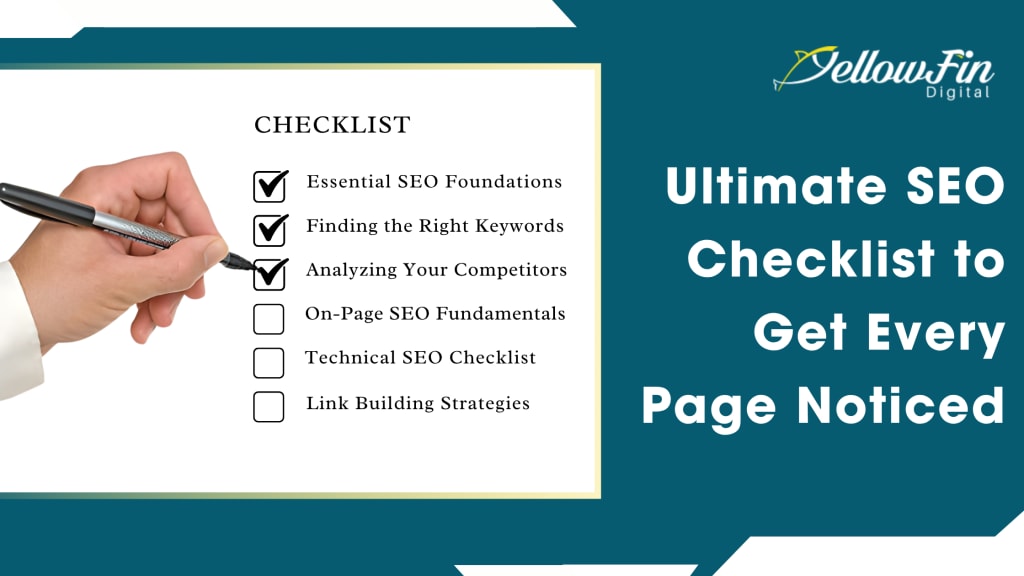
Is your website struggling to appear in search results or falling short of expectations? A well-structured SEO checklist can guide you step by step to fix these problems. By focusing on technical SEO, on-page optimization, and smart keyword strategies, you can enhance your site's visibility, improve the user experience, and boost overall performance.
Whether you run a blog, an online store, a local business, or an affiliate site, hiring professional SEO services Texas can help you identify the key steps to boost your rankings and make your website work harder for you.
In this guide, we will dive into a comprehensive SEO checklist and explain how each task contributes to your website's growth, helping you understand precisely what works and why it matters.
What is an SEO Checklist?
An SEO checklist is a step-by-step list that helps improve your website. It covers essential tasks such as identifying the right keywords, enhancing content, resolving technical issues, and establishing links. Following a checklist makes your site easier for search engines to understand and helps it show up higher in search results.
Getting Started with Your SEO Checklist
Use this checklist as a clear guide to cover all the essential steps for improving your website. It is designed to help any site improve its search rankings, regardless of its size or purpose.
1. Essential SEO Foundations
Before exploring advanced strategies, it is crucial to establish a solid foundation. Think of this step as setting up the right tools and goals so your SEO journey runs smoothly.
A few essentials to start with:
- Connect your site to search tools: Make sure your website is linked to tools like Google Search Console and Bing Webmaster Tools so you can track how it is performing. These platforms demonstrate how search engines perceive your site, enabling you to identify and resolve any issues quickly.
- Use analytics for better decisions: Tools like Google Analytics (GA4) reveal how people find and interact with your website. You will learn which pages attract visitors, how long they stay, and what drives the most traffic. For example, if you notice a blog post brings in steady visits, you can create more content on that topic.
- Set clear goals (KPIs): Decide what success looks like for you. It could be more organic traffic, higher keyword rankings, or increased sales. For instance, if you are running an online store, tracking conversions alongside traffic in Analytics will help you determine whether your SEO efforts are truly paying off.
- Add a simple SEO plugin: If you are using WordPress or Shopify, plugins like Yoast SEO can simplify technical tasks, such as managing sitemaps, redirects, and meta tags, making optimization easier even if you are not an SEO expert.
2. Finding the Right Keywords
Keywords are the foundation of SEO, and local businesses in Texas can utilize professional SEO services to find the most effective, intent-driven keywords that attract the right audience, not just more traffic.
Start with your audience:
Before diving into tools, consider your target customers.
- Who are they, and what problems are they trying to solve?
- What type of content do they read or engage with?
- What terms do they use when searching for your product or service?
Find long-tail keywords:
Use Google's autocomplete suggestions to uncover long-tail searches, which are specific phrases with clear intent. Tools like SearchResponse.io can help find even more.
Use keyword tools:
Semrush's Keyword Magic Tool can help you discover numerous keyword ideas and identify which ones are popular or challenging to rank for. This way, you can focus on the terms that make the most sense for your site.
Look beyond search engines:
Communities like Reddit, Quora, and niche forums reveal authentic questions and struggles that people face, starting your content with questions like "How do I" or "Where can I" is a simple way to create helpful blog posts or FAQ entries that address real problems.
Leverage question-based keywords:
Tools like AnswerThePublic highlight questions people ask online. Content built around these queries often ranks well and provides evergreen traffic.
Build topical authority:
Use Google Search Console to find topics you already rank for, then expand into related areas. The more comprehensively you cover a subject, the more search engines and people see you as a trusted source.
3. Analyzing Your Competitors
While keywords reveal what your audience wants, competitor research reveals who you are up against and where the opportunities lie.
Identify your competitors:
Research your target keywords and identify the websites that appear most frequently. Do not just focus on direct competitors; also essential are blogs, directories, and media sites that appear in the same search results.
Analyze their best pages:
Utilize tools like SE Ranking's Competitor Research or Google Analytics to identify which pages generate the most traffic. Study their content structure, keywords, and formats to learn what resonates with your shared audience.
Spot keyword gaps:
Competitor tools often highlight terms for which they rank that you do not. These "missing keywords" represent untapped opportunities. Focus on filling those gaps with better, more helpful content.
Understand their positioning:
Examine how they craft, design, and promote their content. Are they focusing on guides, visuals, or quick answers? This provides insight into how they capture attention and how you can differentiate yourself from them.
Keep monitoring:
Search rankings change constantly. Keep track of SERP fluctuations, new competitors entering the space, and shifts in strategy. Regular monitoring ensures you stay one step ahead.
4. On-Page SEO Fundamentals
Optimizing pages for users and search engines is key, and SEO services help create keyword-rich content that boosts rankings and attracts local leads.
Here is a checklist to cover all the major on-page SEO elements.
Optimize Your URL:
Include your target keyword in the URL to indicate the page's content and relevance clearly. Keep URLs short, simple, and descriptive, as concise URLs generally perform better in search results.
Craft Effective Titles and Meta Descriptions:
Place your main keyword at the beginning of your title tag whenever possible to make it clear to both users and search engines. Enhance your titles with modifiers like 'Best,’ ‘Guide,' or the current year to make them more appealing in search results.
Try to keep title tags to around 55–60 characters and meta descriptions to around 155–160 characters. Meta descriptions may not directly boost rankings, but a clear and appealing description can encourage people to click and visit your page.
Use Headings Wisely:
When optimizing content for search engines, it is essential to structure headings effectively. Include your target keyword in H1, H2, or H3 tags to define the content's topic. Maintain a proper heading hierarchy, ensuring that levels are not skipped and that headings are concise and easy to read.
Optimize Your Content:
Place your keyword within the first 150 words of your content and use synonyms or LSI keywords to avoid stuffing.
For example, if your main keyword is "SEO tips," you can also use their synonyms, such as "search engine optimization strategies" or "improving website ranking.” Always align your content with user search intent and update it regularly to reflect the latest SEO trends and best practices.
Optimizing Visual Content:
Use descriptive filenames and alt text so that search engines can easily understand your image content, for example, 'seo-guide-for-beginners.png'. Adding alt text also improves accessibility and helps boost image search rankings.
Add Internal and External Links:
Link to relevant, authoritative sources, such as Wikipedia, official statistics, or research reports, to provide valuable information and context for your readers. Additionally, including 2–5 internal links with descriptive anchor text to other relevant pages on your site makes it easier for visitors to navigate and helps search engines understand the connections between your content.
5. Technical SEO Checklist
Technical SEO ensures your website is easily understood and indexed by search engines, which directly impacts rankings.
Here is a straightforward checklist to cover the most critical areas.
Identify Crawling and Indexing Issues:
Crawling and indexing errors occur when search engines can not access or include your pages in their Google listings, preventing them from ranking or driving traffic.
See Your Pages from Google's Perspective:
Sometimes a page may appear perfectly fine to visitors, but Google might struggle to understand it. Using the Inspect URL feature in Google Search Console allows you to view your page from Google's perspective and identify issues such as blocked content or incorrect canonical tags.
Ensure Mobile-Friendliness:
Google prioritizes mobile-first indexing, making it essential to optimize your site for mobile devices. To ensure a seamless experience, use a responsive design that allows buttons, menus, and content to resize and adjust properly on all screens.
Fix Broken Links:
Broken links harm both SEO and user experience. Scan your site with free tools like Dr Link Check and fix any broken URLs.
Secure Your Site with HTTPS:
HTTPS is a confirmed ranking signal, so it is essential to secure your website with an SSL certificate from the start, even when launching a new site.
Check Site Speed and Core Web Vitals:
Fast-loading pages are crucial for both search rankings and a positive user experience. You can use PageSpeed Insights to check how quickly your site loads on desktop and mobile devices.
The tool also provides recommendations to improve Core Web Vitals, including metrics such as LCP, FID, and CLS, which help your site perform better for both visitors and search engines.
Implement Schema Markup:
Use structured data to help search engines understand your content and appear in rich snippets. Tools like Google's Structured Data Markup Helper or Schema.org make it easy to implement, and you can test your markup with Google's Rich Results Test before submitting updates via Google Search Console.
6. Link Building Strategies
Links are key for SEO, as they show search engines your site's authority. Building them does not have to be complicated if you focus on practical tactics:
Share Expert Quotes: Contribute insights to media outlets or blogs to earn backlinks. Platforms like Connectively or searches like "#journorequest" can help you find opportunities.
Create Linkable Content: Develop content featuring original research, unique data, or valuable insights that others naturally want to link to.
Analyze Competitors' Backlinks: Use Semrush Backlink Analytics to see where competitors get links and replicate the easy opportunities.
Guest on Podcasts: Appear as a guest to share expertise and gain backlinks from show notes or related content.
Mention Influencers: Include influencers in your posts and let them know they may share your content and link back to you.
7. Local SEO Tips
Local SEO helps businesses with a physical presence attract nearby customers and enhance their online visibility. For firms in Texas, professional SEO services Texas can optimize your Google Business Profile and local citations to ensure you appear in front of the right audience.
Ensure that your business information, including address, phone number, website, service areas, hours of operation, and description, is accurate and up-to-date. Utilise local marketing tools to track user interactions, such as profile views, direction requests, and calls.
Add your business to local directories, such as Google, Foursquare, and TripAdvisor, to increase your visibility and reach more customers. Keep your NAP (Name, Address, Phone) consistent across all listings; search engines view this as a trust signal.
Use Local Business schema markup to provide search engines with details such as business hours, contact information, and category. This can help your business appear more prominently in local search results.
Monitor online reviews across various platforms, including Google, Yelp, and Facebook. Respond to feedback to build trust, gain insights, and even discover keywords to improve your content.
Boost Your Website Traffic with Expert SEO Services
Your website is the heart of your business, but even a well-designed site will not rank without proper SEO. SEO is an ongoing, dynamic process, and the key points highlighted here provide a solid foundation to enhance your site's performance and visibility.
Consistently refining your website ensures better engagement and higher search rankings. For businesses seeking to maximize these results, partnering with a trusted SEO company in Texas provides expert guidance, tailored strategies, and long-term growth for your online presence.
About the Creator
Elli Brice
Digital Marketer by Profession | Content Writer by Heart!
Keep reading
More stories from Elli Brice and writers in Journal and other communities.
Why a Custom Web Design Is Key to Better SEO Results
Introduction Your website is more than just a page on the internet; it is the online representation of your brand. Nobody will be impressed or trust you if your website is not functioning well. That is where support from custom web design services experts help in creating a website that is tailored to your company's needs; it looks good, functions well, establishes your brand as authentic, and improves SEO so that people can find you on Google, and helps turn visitors into loyal customers.
By Elli Brice4 months ago in Journal
How Much Does It Cost to Start an Outpatient Rehab Treatment Facility
Introduction to Outpatient Rehab Facility Costs Establishing an outpatient rehabilitation treatment facility requires a nuanced understanding of both healthcare delivery and business economics. Unlike residential centers, outpatient programs typically involve lower capital intensity, yet they still demand substantial upfront investment. Costs vary widely based on geography, service scope, and regulatory rigor. A modest facility may require a few hundred thousand dollars to launch, while a comprehensive center offering multiple therapies can exceed seven figures. Prudent financial forecasting at the outset reduces fiscal turbulence later and creates a foundation for sustainable operations.
By Fida Hassain4 days ago in Journal



Comments
There are no comments for this story
Be the first to respond and start the conversation.