
UK Government Backs Down on Apple Encryption Demands
What It Means for Privacy, Security, and the Future of Encrypted Data

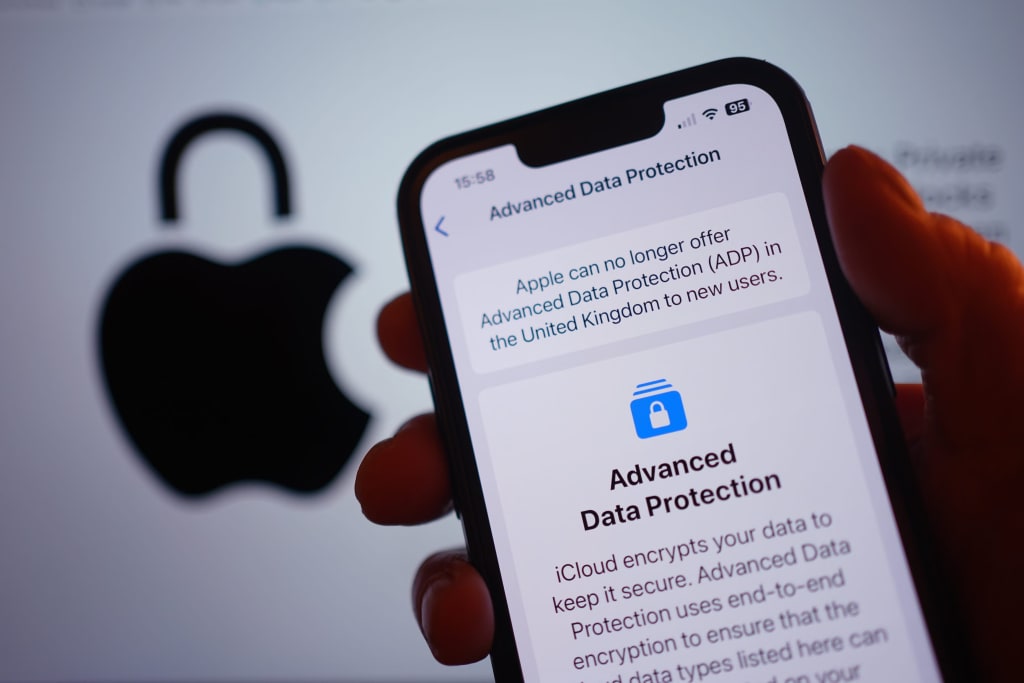
In a landmark turn of events that could reshape the global debate on digital privacy, the UK government has officially dropped its demand for Apple to create a “back door” into users’ encrypted data.
The decision follows months of escalating tensions, involving not only London and Cupertino but also Washington, where U.S. President Donald Trump personally intervened. The reversal is being hailed as a major victory for data privacy advocates, while simultaneously raising new questions about how governments can balance national security needs with the protection of personal freedoms.
This article explores the full story: how the dispute began, what led to the UK’s climbdown, the roles played by Apple, Trump, Tulsi Gabbard, and others, and—most importantly—what this means for the future of encrypted services around the world.
The Backdrop: Encryption and the Investigatory Powers Act
To understand this controversy, we need to look back at the Investigatory Powers Act 2016 (IPA), also known as the “Snooper’s Charter.” This law grants the UK government sweeping surveillance powers, including the ability to compel companies to remove encryption or provide “lawful access” to user data.
The recent row began when the UK Home Office reportedly issued a notice under the IPA, seeking access to Apple’s Advanced Data Protection (ADP) tool.
What is ADP?
Apple’s Advanced Data Protection encrypts iCloud backups in such a way that not even Apple can access the data. Once enabled, only the user has the keys to decrypt their stored photos, notes, and files.
Why does it matter?
This marks a major leap forward in consumer privacy, but it also frustrates law enforcement agencies who argue that encryption can shield criminals, terrorists, and child abusers from investigation.
When confronted with the demand, Apple responded boldly: it suspended the rollout of ADP in the UK and launched legal action against the Home Office.
Trump’s Intervention and Global Fallout
The dispute quickly escalated beyond Britain. President Trump criticized the UK government’s demand, likening it to Chinese-style surveillance practices. In a February meeting with Prime Minister Sir Keir Starmer, Trump reportedly told him the plan was “unacceptable.”
U.S. officials were especially concerned because a precedent in the UK could pressure American tech firms to comply with similar demands globally.
Adding weight to Washington’s stance, Tulsi Gabbard, U.S. Director of National Intelligence, publicly confirmed that Britain had withdrawn its request. In a post on X (formerly Twitter), she declared that she had worked with Trump and Vice President JD Vance to ensure that Americans’ data privacy remained protected.
This cross-Atlantic tug-of-war highlights just how international the debate over encryption and government access has become.
The UK Government’s Reversal
Facing mounting pressure both at home and abroad, the UK government quietly backed down.
A spokesperson declined to comment directly on Apple’s legal challenge but emphasized that joint security arrangements with the U.S. remain in place. These include intelligence-sharing agreements that allow agencies to collaborate on terrorism, cybercrime, and child exploitation investigations.
Importantly, officials stressed that the government is still committed to ensuring public safety—but now acknowledges the need to do so without undermining fundamental privacy protections.
Voices from Both Sides
Privacy Advocates: A Victory for Digital Rights
Civil liberties groups and privacy campaigners celebrated the climbdown. Their core argument: once a “back door” is created, it can never be secured exclusively for government use. Malicious actors—from hackers to hostile states—could exploit it, leaving everyone more vulnerable.
Senior Conservative MP Sir David Davis summed it up:
“A back door would only serve to weaken the protection given by encryption to all of us from malicious actors.”
Law Enforcement: Encryption Still a Problem
On the other hand, police and intelligence services remain frustrated. For years, they have warned that end-to-end encryption makes it harder to investigate terrorism, organized crime, and online child exploitation.
Their argument is simple: criminals use the same tools as ordinary citizens, making it difficult to access critical evidence. However, the push for “exceptional access” has repeatedly run into resistance from privacy advocates and tech companies.
Why This Case Matters
The Apple-UK clash matters for several reasons:
Global Precedent – Had Britain succeeded, other governments could have followed suit, creating a domino effect against strong encryption.
Tech Industry Trust – Apple has long marketed itself as a privacy-first company. By resisting government demands, it strengthens consumer trust.
Security vs Privacy Debate – The case revives the age-old question: How much privacy are we willing to sacrifice in the name of security?
Encryption and the Bigger Picture
Encryption isn’t just about iCloud photos or text messages—it’s the backbone of the digital economy.
Financial transactions rely on encryption to secure banking and online payments.
Healthcare records are protected by encryption to safeguard patient confidentiality.
Corporate secrets and intellectual property are encrypted to prevent theft.
Weakening encryption anywhere creates ripple effects across industries and nations. This is why the debate over “going dark” continues to be so contentious.
The International Ripple Effect
United States
The U.S. has had its own standoffs with Apple. In 2016, the FBI vs Apple San Bernardino case saw the government demand access to an iPhone belonging to a terrorist. Apple refused, citing privacy concerns.
Europe
The EU has been working on its Digital Services Act and Artificial Intelligence Act, which also touch on encryption and surveillance, though Brussels has been less aggressive than London.
China and Authoritarian States
In contrast, countries like China mandate backdoor access to digital services. Critics argue that the UK’s initial demand placed it uncomfortably close to authoritarian surveillance models.
Potential Future Scenarios
Tech Firms Hold the Line – Apple’s success may embolden other tech giants like Google, Meta, and Microsoft to resist government overreach.
New Legislation – Governments may push for updated laws that indirectly pressure companies rather than demand outright backdoors.
Middle-Ground Solutions – Secure escrow systems or new technical frameworks may be explored, though none have yet balanced privacy with lawful access successfully.
SEO-Friendly FAQ
Q1: Why did the UK government demand access to Apple’s encrypted data?
The UK Home Office sought access under the Investigatory Powers Act 2016, arguing it was necessary for national security and criminal investigations.
Q2: What is Apple’s Advanced Data Protection (ADP)?
ADP is an optional iCloud feature that encrypts user data so securely that even Apple cannot access it.
Q3: Did Apple comply with the UK’s request?
No. Apple suspended ADP in the UK and launched legal action against the Home Office instead.
Q4: How did the U.S. react?
President Trump criticized Britain’s demand, comparing it to Chinese surveillance. U.S. officials worked with Apple to ensure data privacy was protected.
Q5: What happens next?
The UK has backed down, but the global debate over encryption vs law enforcement access is far from over.
Conclusion: Privacy Prevails—for Now
The UK government’s decision to drop its demand for access to Apple’s encrypted data is a major victory for privacy advocates and tech companies alike. But it’s also a reminder that the battle over encryption, surveillance, and digital rights is far from settled.
While governments insist they need tools to fight crime and terrorism, creating backdoors to encryption risks making everyone less safe. Apple’s stand—and its eventual victory—demonstrates the growing importance of corporate resistance in safeguarding individual freedoms.
As technology evolves, the struggle between security and privacy will only intensify. For now, however, one thing is clear: the private data of millions of Apple users remains just that—private.
About the Creator
Omasanjuwa Ogharandukun
I'm a passionate writer & blogger crafting inspiring stories from everyday life. Through vivid words and thoughtful insights, I spark conversations and ignite change—one post at a time.
Keep reading
More stories from Omasanjuwa Ogharandukun and writers in Journal and other communities.
Putin Suggests Hosting Zelensky in Moscow for Peace Meeting
The ongoing Russia-Ukraine war has entered its fourth year with no decisive breakthrough in sight. Amid mounting global pressure and devastating human costs, Russian President Vladimir Putin has floated a surprising new idea: inviting Ukrainian President Volodymyr Zelensky to Moscow for a peace summit.
By Omasanjuwa Ogharandukun5 months ago in Journal
The goals I did not achieve
Every writing goal I made for the year is a wash. It has been this way for a while, but I think it's important to be open about my failures and the reality of how life can get in the way. This is especially true considering the several times I have posted on Vocal about my writing goals, how I was changing my approach, and where I was hoping to be for the upcoming year. I will probably do that again in a couple months, but for now, it is time to acknowledge where I am today.
By Kay Husnick25 days ago in Journal
I Stopped Treating SEO Like a Formula—and Everything Changed
When SEO Started Feeling Like Noise I remember the moment SEO stopped feeling creative for me. I wasn’t burnt out from writing—I was tired of constantly adjusting my words to satisfy systems I couldn’t fully see. Every update felt like a reset button. What worked yesterday felt irrelevant today. I wasn’t failing, but I wasn’t moving forward either.
By Anthony Rodgers6 minutes ago in Journal




Comments
There are no comments for this story
Be the first to respond and start the conversation.