
Putin Suggests Hosting Zelensky in Moscow for Peace Meeting
What It Means for the Russia-Ukraine War

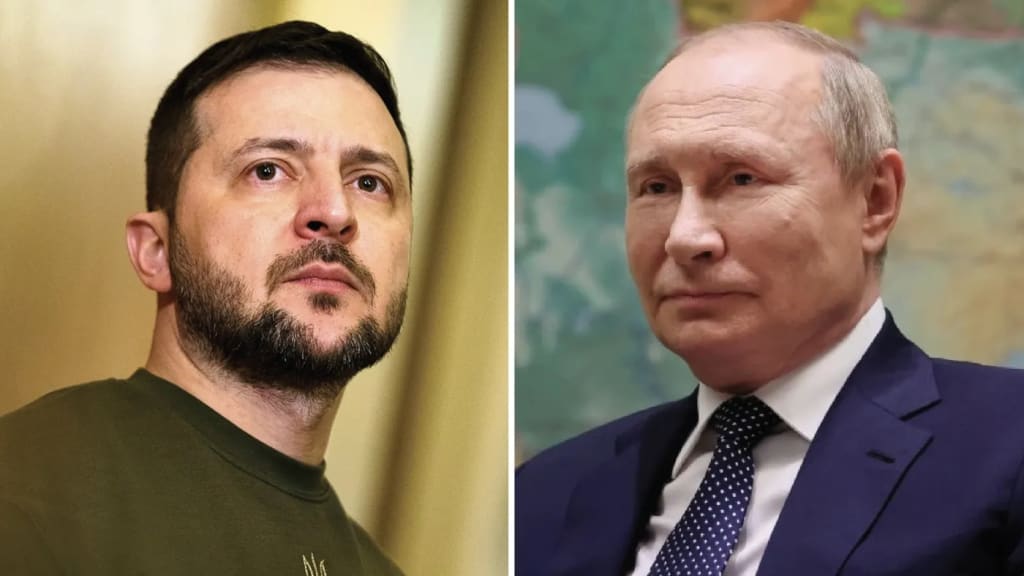
The ongoing Russia-Ukraine war has entered its fourth year with no decisive breakthrough in sight. Amid mounting global pressure and devastating human costs, Russian President Vladimir Putin has floated a surprising new idea: inviting Ukrainian President Volodymyr Zelensky to Moscow for a peace summit.
The proposal, revealed during a recent phone call between Putin and former U.S. President Donald Trump, has sparked both intrigue and skepticism worldwide. Could a Moscow-hosted peace meeting be a real path toward resolution—or just another strategic maneuver in a geopolitical chess game?
In this in-depth analysis, we’ll break down the proposal, examine reactions from Kyiv, Washington, and Europe, and explore what this could mean for the future of the Russia-Ukraine conflict.
The Moscow Peace Meeting Proposal
According to multiple sources familiar with the exchange, during his call with Trump, Putin “mentioned Moscow” as a possible venue for peace talks. This immediately raised eyebrows because of its symbolic and political weight.
Why Moscow? For Putin, holding talks on Russian soil would frame Russia as the dominant party in negotiations.
Why now? The timing coincides with intensifying international discussions in Washington, where Trump hosted Zelensky and several European leaders for high-level talks.
What was Zelensky’s reaction? He swiftly rejected the idea, reportedly telling Trump he would not attend peace talks held on Russian territory.
The rejection highlights a fundamental divide: Ukraine views any Moscow-hosted negotiation as a potential trap, while Russia sees it as a demonstration of legitimacy and power.
Trump’s Role as a Mediator
The fact that Putin raised this idea with Donald Trump—and not directly with Zelensky—has fueled speculation about Trump’s potential role as a mediator.
During his Washington meetings, Trump emphasized that a face-to-face meeting between Putin and Zelensky could be a crucial step toward peace. He has repeatedly urged new diplomatic efforts, though skepticism remains among U.S. allies about Russia’s sincerity.
European leaders present at the Washington talks—representatives from Germany, France, Finland, Italy, and the UK—were quick to advise against taking Putin’s proposal seriously. For them, hosting talks in Moscow while Russian forces continue offensives would undermine Ukraine’s sovereignty and bargaining power.
Zelensky’s Position: Open to Talks, But With Conditions
President Zelensky has consistently maintained that he is not opposed to direct talks with Putin. However, his stance is firm:
Talks must guarantee Ukraine’s sovereignty.
Any negotiation must address security guarantees for Ukraine’s future.
Discussions cannot happen under the shadow of ongoing military aggression.
This reflects a pattern in Ukraine’s diplomatic strategy. Zelensky balances openness to peace with a refusal to concede legitimacy to Russia’s invasion by negotiating on Moscow’s terms.
The Stakes of Peace Talks
Why does this matter now? The war’s human and economic costs have become staggering:
Tens of thousands killed since Russia’s full-scale invasion in February 2022.
Millions displaced, creating one of the largest refugee crises in modern history.
Global economic ripple effects, from energy instability to food shortages, have impacted countries far beyond Eastern Europe.
The urgency for peace is undeniable. But the conditions under which peace is negotiated will determine whether it is sustainable or merely a temporary pause.
Historical Context: Negotiating During Conflict
Russia and Ukraine have attempted negotiations multiple times since 2022. Early talks in Belarus and Turkey stalled after mutual distrust and battlefield escalations.
Putin’s latest suggestion mirrors patterns seen in other conflicts, where one side proposes talks in its capital as a way to assert dominance. For Ukraine, agreeing to Moscow as a venue would be tantamount to recognizing Russia’s upper hand, something Kyiv has refused to do.
Kremlin’s Confirmation
Kremlin aide Yuri Ushakov confirmed to Russian state media that Putin told Trump he was open to the idea of direct talks. However, he also admitted that no concrete framework or timeline was provided.
This vagueness suggests that Putin’s offer might be more about optics—signaling willingness to negotiate—than about genuine readiness to compromise.
International Reactions
European leaders: Strongly dismissed the Moscow proposal, calling it unrealistic and dangerous.
The United States: While Trump urged further diplomacy, officials close to Biden’s administration remain deeply skeptical of Putin’s motives.
Ukraine: Firm rejection of Moscow as a venue, but continued emphasis on seeking international support for a peace framework.
The varied responses highlight the fractured global consensus on how to bring the war to an end.
Possible Scenarios Moving Forward
Talks in a Neutral Venue
If Putin’s proposal is rejected, but both sides remain open, neutral ground such as Geneva, Vienna, or Istanbul could reemerge as options.
Symbolic Proposal, No Follow-Through
Putin’s mention of Moscow may be more about controlling the narrative than taking concrete steps.
Trump as an Intermediary
With U.S. elections looming, Trump may try to position himself as a peacemaker, influencing how negotiations evolve.
Stalemate Continues
Without a breakthrough, the war could drag on, with devastating consequences for both Ukraine and the global community.
The Global Impact of Continued War
Beyond Ukraine’s borders, the ongoing conflict has reshaped international politics and economics:
Energy crises in Europe, driven by reduced Russian gas exports.
Food shortages, particularly in grain-exporting regions reliant on Ukraine.
Military spending surges across NATO nations, reshaping budgets and priorities.
Shifts in global alliances, with countries like China, India, and Turkey navigating delicate balances between Russia and the West.
This backdrop explains why every diplomatic proposal—no matter how unlikely—draws intense scrutiny.
SEO-Friendly FAQ Section
Q1: Did Putin really invite Zelensky to Moscow for peace talks?
Yes. During a phone call with Donald Trump, Putin suggested Moscow as a venue for a peace summit with Zelensky.
Q2: Did Zelensky agree to attend?
No. Zelensky reportedly rejected the idea immediately, saying he would not negotiate on Russian soil.
Q3: What do European leaders think about this?
Leaders from Germany, France, Finland, Italy, and the UK advised Trump that Putin’s proposal was not a good idea.
Q4: Has Trump positioned himself as a mediator?
Trump has pushed for renewed diplomacy and a face-to-face meeting between Putin and Zelensky, though skepticism remains about his ability to broker peace.
Q5: What are Ukraine’s conditions for peace talks?
Ukraine insists that talks must respect its sovereignty, include security guarantees, and not occur while Russia continues offensive operations.
Conclusion: A Proposal That Raises More Questions Than Answers
Putin’s suggestion of hosting Zelensky in Moscow for a peace summit is less a concrete plan and more a strategic signal. It highlights the delicate balance between diplomatic overtures and power plays in the Russia-Ukraine conflict.
For Zelensky, accepting such an invitation would risk legitimizing Russia’s aggression. For Putin, the proposal boosts his image as being “open to talks” without requiring concessions. For Trump, it offers an opportunity to reenter the global stage as a would-be dealmaker.
Ultimately, the path to peace will depend on finding a venue, framework, and set of conditions that both sides—and the international community—can accept. Until then, the war grinds on, and the world watches closely.
About the Creator
Omasanjuwa Ogharandukun
I'm a passionate writer & blogger crafting inspiring stories from everyday life. Through vivid words and thoughtful insights, I spark conversations and ignite change—one post at a time.
Keep reading
More stories from Omasanjuwa Ogharandukun and writers in Journal and other communities.
The New Lego Batman Game Looks More Epic Than You'd Believe
If you thought Gotham couldn’t get any darker—or any more brick-filled—think again. Warner Bros. Games and TT Games have just unveiled Lego Batman: Legacy of the Dark Knight at Gamescom 2025, and the announcement has set the gaming world ablaze.
By Omasanjuwa Ogharandukun5 months ago in Journal
The goals I did not achieve
Every writing goal I made for the year is a wash. It has been this way for a while, but I think it's important to be open about my failures and the reality of how life can get in the way. This is especially true considering the several times I have posted on Vocal about my writing goals, how I was changing my approach, and where I was hoping to be for the upcoming year. I will probably do that again in a couple months, but for now, it is time to acknowledge where I am today.
By Kay Husnick25 days ago in Journal
The Eucharist: Why Catholics Believe in the Real Presence
The Eucharist is the center of Catholic life and worship. At Mass, Catholics receive the Body and Blood of Christ under the forms of bread and wine, a belief that sets Catholicism apart from many other Christian traditions. This doctrine, known as the Real Presence, teaches that Jesus Christ is truly present in the Eucharist, not symbolically or metaphorically, but in reality. Understanding why Catholics believe this and how it impacts their lives can deepen appreciation for this sacred sacrament.
By Sound and Spirit6 days ago in Journal


Comments
There are no comments for this story
Be the first to respond and start the conversation.