
U.S. Air Travel System Is Outdated, Says FAA Chief
The FAA Chief says the U.S. air travel system is old and needs quick updates. Safety problems and delays show it’s time for major improvements.

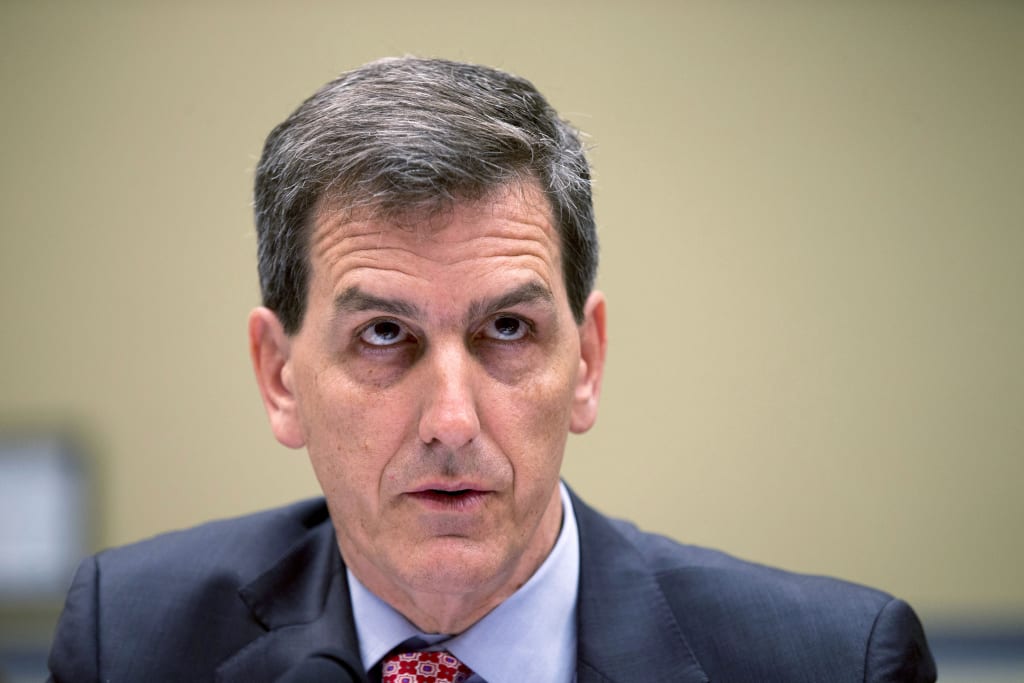
The head of the Federal Aviation Administration (FAA) has said that the U.S. air travel system is old and needs urgent improvements. He explained that the current system is not safe or reliable enough for today’s needs. This warning is important because delays and safety issues can affect millions of travelers. The FAA is now working with the government to fix these problems. Plans include better technology, updated equipment, and more funding. These changes are meant to make flying safer, faster, and more efficient for everyone in the country.
Who Is the FAA Chief?
Bryan Bedford is the new head of the FAA (Federal Aviation Administration). He took over recently and spoke at a big aviation event in July 2025. There, he said that the U.S. air traffic system is “not acceptable” and needs urgent changes. Bedford explained that many key parts of the system are more than 40 years old and have not been properly maintained. He believes the system is outdated and needs more funding and attention to improve safety and service.
Why Is the System Being Called Outdated?
The U.S. air travel system is being called outdated because it still uses old technology and equipment. Many parts of the system have not been upgraded in years, which can cause delays and safety concerns. The FAA chief said the current setup is not good enough for today’s travel needs. With more people flying now, the system needs better tools and faster responses. Experts believe updating it will make air travel safer, quicker, and more reliable for everyone.
1. Technology Left Behind
Most of the radar, communication, and control systems are still based on technology from the late 1970s through the 1990s. These systems depend on old copper wires, data files stored on paper, and dated software that struggles under modern traffic demands.
2. Frequent Failures and Outages
Air traffic control centers have reported about 1,000 equipment failures each week, especially around Newark Liberty International Airport, where communication blackouts have occurred multiple times. At one point, all radio contact was lost for up to 90 seconds.
3. Staffing Problems
The FAA is short by as many as 3,500 air traffic controllers. This gap strains existing staff and increases the risk of errors. Testimony from agency insiders highlights low morale and high turnover.
Recent Incidents That Raised Red Flags
Recently, there have been several incidents that caused concern. These events showed problems in the system that need attention. For example, some delays and safety issues at airports made people worried about air travel. Officials have also noticed mistakes in how things are managed. These problems are red flags, meaning they warn us that changes and improvements are needed soon to keep everyone safe and make the system work better.
1. Denver Communication Outage
In May 2025, air traffic control in Denver lost both main and backup radio frequencies for about two minutes. Pilots had to rely on emergency frequency to maintain contact. Fortunately, no accidents occurred, but the incident raised fresh concern about safety.
2. Newark Liberty Failures
Newark’s TRACON system repeatedly lost communication with aircraft. One event lasted for 90 seconds, disabling controllers’ radar displays. These outages led to flight delays and caps on arrivals and departures.
3. Near Miss Over North Dakota
A B-52 bomber narrowly avoided a commercial jet in mid-air near North Dakota. The incident highlighted risks at smaller airports that lack proper radar and depend on remote tracking. Staffing shortages made it harder to manage traffic safely.
What Has the FAA Said?
Administrator Bedford called the condition of the U.S. air traffic control system the result of decades of underinvestment. He promised urgent action, including changes in management and redesign of national airspace to improve safety.
He also acknowledged low morale among FAA staff, noting that the agency needs better leadership and clearer direction.
Government Response and Funding Plans
Congress has approved $12.5 billion for a five-year overhaul of air traffic control technology. The Trump administration has requested an additional $19 billion to complete the work.
What the Funds Will Cover:
- Upgrading radar, communications, and data systems
- Replacing copper wiring with fiber optic networks
- Expanding high-speed connections across air traffic facilities
- Increasing staffing and offering incentives to retain existing controllers
- Adding new control centers to ease congestion
What Is Being Planned
Officials are now planning new steps to fix the problems in the air travel system. They want to improve safety, reduce delays, and update old equipment. These plans also include better training for staff and more funds for technology upgrades. The goal is to make air travel smoother, safer, and more reliable for passengers across the country.
1. Infrastructure Updates
Officials plan to replace thousands of old connections with faster, more reliable fiber optics, satellite links, and wireless systems. This includes creating six new air traffic control centers.
2. Modern Software and Equipment
Upgrades like the NextGen Air Transportation System are in progress. This program integrates more modern ways to track aircraft, automate routing, and improve communication between pilots and controllers.
3. Better Oversight and Staffing
Plans also call for a reformed oversight structure. The FAA aims to restart a previously paused safety panel to review its operations more effectively. Staffing and morale improvements are part of the agency’s broader strategy.
Challenges Ahead
These upgrades will take time and coordination. Historic delays in putting new systems in place, changing leadership, and political shifts have slowed past efforts. Bedford has suggested upfront funding is essential to avoid repeating this pattern. Staffing remains a major concern. Even with new hires, the time needed to train and certify controllers may delay full staffing recovery. And morale will need careful rebuilding.
What U.S. Travelers Should Know
- Short-Term Disruptions: You may notice controlled limits at busy airports like Newark. Slower flight slots are being used to keep operations safe.
- More Transparency: The FAA plans to provide regular updates on progress and outages.
- Better Long-Term Experience: Once upgrades are complete, flight delays may decrease and safety should improve.
- Safety Priority: Even now, flying remains safe. Protocols and backups are in place for outages while system upgrades roll out.
What Experts Are Saying
Experts have given their opinion on the current problem. Many of them think big changes are needed to fix it. They say things like delays, safety risks, and bad planning show that the system is not doing well. Some experts also think using new technology and giving better training can help improve the system and make travel safer for everyone.
1. Aviation Groups
Organizations such as Airlines for America (A4A) and the Air Traffic Control Association have urged Congress to fund modernization fully. They emphasize the risks of using copper wire, floppy disks, and paper for critical operations.
2. Former FAA Officials
David Grizzle, a former FAA operations head, called the system “vintage” and said it has not been used in the private sector for more than a decade. He warned that support for the system is ending, and parts are becoming obsolete.
Conclusion
FAA Chief Bryan Bedford has warned that the U.S. air travel system is facing serious problems. There have been safety issues, poor communication, and old equipment. These problems show that the system is outdated. He says it is very important to make improvements soon to keep flights safe and working properly for both passengers and airline workers.
Still, success depends on consistent funding, teamwork among agencies, and strong support for air traffic professionals. With solid execution, travelers and industry alike could see real improvements in the years ahead.
About the Creator
The goals I did not achieve
Every writing goal I made for the year is a wash. It has been this way for a while, but I think it's important to be open about my failures and the reality of how life can get in the way. This is especially true considering the several times I have posted on Vocal about my writing goals, how I was changing my approach, and where I was hoping to be for the upcoming year. I will probably do that again in a couple months, but for now, it is time to acknowledge where I am today.
By Kay Husnick24 days ago in Journal
The Phoenix from the Ashes:
Toxic relationships, in their myriad forms, are insidious vines that can slowly strangle the life out of individuals, leaving them emotionally depleted, psychologically bruised, and often struggling to understand how they ended up entangled in such a destructive web. Whether romantic, familial, or platonic, these relationships are characterized by patterns of manipulation, control, disrespect, and a consistent lack of empathy. Escaping their grasp can be a grueling process, but it's a journey that ultimately leads to profound self-discovery and lasting personal growth. The lessons learned from overcoming toxic relationships are invaluable, shaping our understanding of ourselves, our boundaries, and what we truly deserve in life.
By Wilson Igbasi3 days ago in Journal




Comments
There are no comments for this story
Be the first to respond and start the conversation.