
Trump Tariffs: Which goods do China, and the United States purchase from one another?
Which goods do China, and the United States purchase from one another?

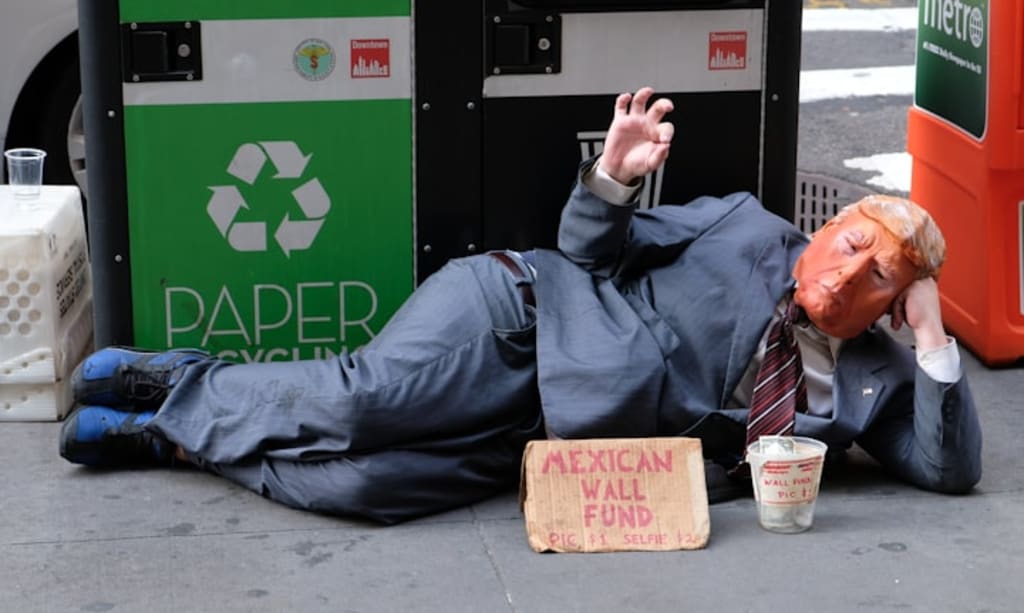
The United States bought $439bn worth of goods from China in 2024 – more than three times the $143.5bn it sold in return. President Donald Trump of the United States is determined to close the $295 billion trade deficit. Trump has increased tariffs in China by 145% to close the gap. As a result, Chinese goods sold to the United States are now taxed at 2.45 times their original price, making them significantly more expensive and less competitive in the market there.
China and the United States are two of the world's largest trading partners and trade a wide range of goods. Many of these goods were the focus of the tariffs imposed by the Trump administration, particularly during the 2018–2019 trade war, which resulted in China's retaliation and a shift in trade patterns. A general overview of the goods that each nation typically imports from the other, as well as how tariffs affected some of these goods, can be found here:
A trade war broke out when the Trump administration slapped significant tariffs on Chinese goods. The most important goods that were traded between China and the United States during that time were as follows:
China's main exports to the United States, or what the United States buys from China:
• Electrical and Electronic Products tablets, laptops, and smartphones appliances and televisions components and parts for the production of technology.
• Machinery, Computers, Semiconductor equipment Industrial machinery.
• Furniture and Beds chairs, tables, and couches.
• Sports, gaming, and toy equipment Consoles for video games Bicycles, Dolls and toys.
• Textiles and Clothing, Footwear, Fabrics.
• Articles made of plastic and plastic.
• Vehicles and Auto Parts (still present but less so).
Impact of US tariffs on China:
Chinese goods worth approximately $360 billion were subject to tariffs imposed by the Trump administration. Targeted numerous consumer goods, machinery, and electronics. Even though the Biden administration has modified or reviewed some of the tariffs, some of them will still be in place in 2024.
The main goods that the United States sells to China, or what China buys from the United States:
• Products From Agriculture Soybeans, the largest export before tariffs, Sorghum, wheat, corn Beef, pork, and poultry Cotton.
• Boeing commercial planes (a major item before 2020 issues).
• Electronics & Semiconductors circuits in one-piece specialized technology parts.
• Machinery, Industrial equipment Engines and turbines.
• Vehicles, Automobiles, particularly luxury and electric models.
• Medical Supplies Diagnostics and devices.
• Energy, Liquefied natural gas (LNG) and crude oil.
China's impact on the United States:
China responded by imposing tariffs on U.S. goods worth approximately $110 billion. Strike hard at agriculture, especially soybeans. Cars, chemicals, and energy products were also targeted. During the trade war, farmers in the United States were significantly impacted and received government subsidies.
The United States imposed tariffs under Section 301 of the Trade Act of 1974, citing intellectual property theft and unfair trade practices.
American imports into China (Goods for which China retaliated)
In response, China imposed tariffs on American exports, focusing on politically sensitive sectors:
• Soybeans, pork, corn, wheat, and other agricultural products (hitting U.S. farmers hard).
• Crude oil liquefied natural gas (LNG), and coal are examples of energy and raw materials.
• Automobiles, particularly high-end models, and airplanes are manufactured goods.
• Other exports include chemicals, seafood, dairy products, and whiskey.
The Effects of the Trade War
• U.S. Electronics and everyday goods were priced higher for both consumers and businesses.
• U.S. Farmers lost significant market share in China, leading to government bailouts.
• A small shift occurred in the supply chains, with some production shifting to Vietnam, Mexico, and India.
• China increased the variety of its imports, such as purchasing soybeans from Brazil rather than the United States.
While reassessing the economic impact of these tariffs, the Biden administration has largely maintained their current status. Would you like more information about specific industries or current trade relations?
About the Creator
Keep reading
More stories from Azharul Islam and writers in Journal and other communities.
The actual strategy behind Russia's sudden declaration of a truce
Rather than being a genuine step toward peace, Russia's unilateral Easter ceasefire announcement appears to be a strategic maneuver. Ukrainian officials reported that Russian attacks, including artillery shelling and drone strikes, continued despite President Vladimir Putin's public declaration of a 30-hour truce, raising questions regarding Moscow's commitment to the ceasefire.
By Azharul Islam9 months ago in Journal
How Much Funding You’ll Need for a Community Mental Health Clinic
Introduction Funding determines clinic viability. Community clinics require strong planning. Startup costs can be significant. Ongoing expenses must be covered. Financial preparation reduces risk. Services depend on stable cash flow. Community demand is growing. Access requires resources. Facilities need proper equipment. Staff require fair compensation. Compliance adds cost. Sustainable funding supports care. Budgeting ensures continuity. Financial clarity supports confidence. Underfunding creates failure. Preparation protects mission. Planning supports long-term success. Funding drives service delivery.
By Abdul Mueed5 days ago in Journal



Comments
There are no comments for this story
Be the first to respond and start the conversation.